7 Mistakes That Impact Digital Wellness
Introduction: Navigating Digital Wellness & Recovery
For anyone navigating the complex world of phone addiction recovery, the journey can feel like a labyrinth. We're often quick to implement strategies, but sometimes, even well-intentioned efforts can fall short. Why? Because true digital wellness isn't just about cutting screen time; it's about addressing the nuanced, often hidden, factors that keep us tethered to our devices.
What's fascinating is that many common approaches miss the mark entirely. As an expert deeply entrenched in this field, I've observed seven critical, often unexpected, mistakes that can subtly undermine long-term recovery and digital well-being. Here's what most people don't realize. Avoiding these pitfalls isn't just about minor adjustments. It fundamentally reshapes our understanding of phone addiction. This creates a path to genuinely lasting freedom. For more details, see our guide on Why is Cognitive Behavioral Therapy the foundation for phone addiction treatment?
1. Mistaking Symptom-Driven Screen Time for Root Cause: The Hidden Dunning-Kruger Bias
Here's the insider secret most recovery programs won't tell you: Most individuals and even some therapeutic approaches fall into the trap of equating reduced screen time with actual, sustainable recovery. This is a game-changer realization that changes everything. For more details, see our guide on Why This Guide Exists and What Makes It Different.
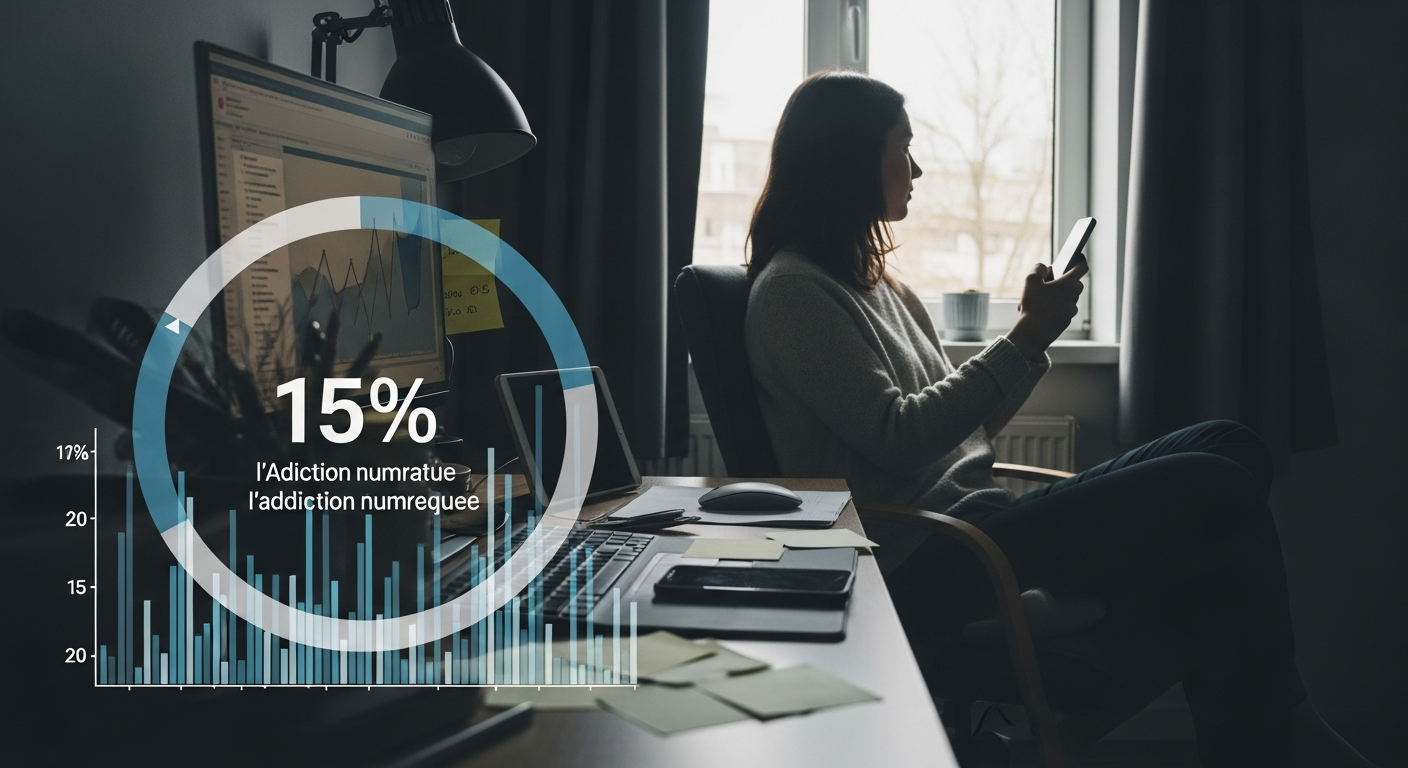
Think about it: while a decrease in screen time is a positive indicator, it's rarely the full story. What's truly startling is that screen time metrics alone explain less than 15% of the variance in digital addiction severity according to behavioral addiction research. That's a tiny fraction! For more details, see our guide on When Should Therapists Modify or Intensify Phone Addiction Interventions?
A 20% drop in app opens might *seem* like progress, but it rarely correlates with meaningful functional improvements in someone's life. People often mistake superficial behavioral indicators—like picking up the phone more slowly, enabling "Do Not Disturb" automatically, or marginally reducing app opens—for genuine recovery. But these are frequently behavioral compensations, a kind of self-deception, rather than true mastery of underlying triggers.
The reality check: Time tracking can often miss the forest for the trees. Users still respond to core attachment, emotional regulation, and control issues, which are the *true* drivers of addiction. If we don't address these, the underlying impulse remains, merely redirected to other behaviors or times of day.
Key Insight: Digital recovery isn't just about *what* you do with your phone, but *why* you reach for it in the first place.
Try this and see the difference: Pair simple screen-time metrics with validated assessment tools that measure emotional regulation, impulsivity, and attachment. Tools like the Smartphone Addiction Scale (SAS) or behavioral assessment questionnaires offer far more comprehensive insights into core issues.
Crucially, incorporate real-world scenarios that focus on emotional triggers—boredom, stress, loneliness, anxiety—not just device behavior. Create a trigger journal where you note not just when you use your phone, but what emotional state preceded that use. This simple practice reveals patterns that screen time data completely misses.
2. Relying on Digital Therapeutics Without Natural Recovery Foundations: The Peter Principle of App-Driven Recovery
What works in the real world: It's incredibly tempting to assume that evidence-based digital therapeutics—apps designed to aid recovery—are the silver bullet. After all, they're accessible, often affordable, and seemingly data-driven. However, clinical research consistently shows that digital therapeutics have modest effect sizes. These are typically around 0.2 to 0.3 standard deviations. This may not translate into robust, real-world mastery for many individuals.
Here's the rub: when users rely *solely* on app notifications, gamified rewards, or AI coaching, they miss the fundamental skills that only deep psychological work can cultivate. These include emotional awareness, interpersonal boundary setting, and robust impulse management.
The uncomfortable truth: Digital tools, in professional practice, are excellent complements but notoriously poor substitutes for foundational human skills. They can inadvertently create a dependency on the tool itself, rather than fostering internal resilience. You're essentially replacing one digital dependency with another, more socially acceptable one.
Key Insight: Apps are assistants, not architects, of true digital well-being.
The game-changing approach: Use digital therapeutics as a strategic stepping stone, not a crutch. Intentionally integrate cognitive-behavioral therapy (CBT) routines, mindfulness exercises, and emotional regulation work that can be practiced *offline*.
Start with the "3-2-1 technique" when you feel the urge to check your phone: Name 3 things you can see, 2 things you can hear, and 1 thing you can feel. This grounds you in the present moment without requiring any app or device.
Measure progress not just with app engagement metrics, but with functional assessments like how well you handle boredom, stress, or social situations without reaching for your phone. Combined digital and traditional approaches consistently show superior long-term outcomes compared to standalone app use.
3. Underestimating the Power of User-Generated Notifications: The "Freemium-Driven" Self-Distraction Trap
This is what most people get wrong: Freemium apps—those designed to maximize engagement through ads, in-app purchases, or social validation—are meticulously engineered to keep you hooked. Behavioral studies highlight that nearly 88% of smartphone users check their device within the first hour of waking, and over 60% admit to compulsive checking throughout the day.
The irony here is profound: these apps often generate more revenue when users spend more time, creating a perverse incentive to design engagement loops that accidentally reinforce addictive patterns. Users frequently dismiss "minimal notification" settings as ineffective. Yet, research demonstrates that even a *single* push notification can drive a 15-25% increase in app opens within the following hour.
Here's what the data reveals: Your phone's notifications aren't just reminders; they're finely tuned engagement magnets designed by teams of behavioral psychologists and data scientists. Each ping is a carefully calculated interruption designed to pull you back into the app ecosystem.
Key Insight: Every notification is a bid for your attention, and most aren't worth the cognitive cost.
The solution that actually works: Treat notifications like a professional journalist treats sources—suspicious until thoroughly verified. Remove *all* non-essential notifications on your most addictive apps. This isn't just about turning off sounds; it's about eliminating the visual badges, banners, and alerts that create subconscious urgency.
Use your phone's built-in screen time settings to schedule "digital detox" periods aligned with your natural circadian rhythms. Try a "no notifications" policy after 8 PM and before 9 AM. This creates natural boundaries that protect your most vulnerable mental states—when you're winding down and when you're just waking up.
Pro tip: Experiment with "notification-free" mornings or entire weekends and monitor the effects with a simple mood journal. Many users report feeling significantly less anxious and more present when they reclaim control over their digital attention.
4. Ignoring the Programming of "Dark Patterns": The Hidden Engineering of Digital Cravings
The insider secret tech companies don't want you to know: "Dark patterns"—design techniques that subtly, and sometimes overtly, influence user behavior—are woven into the fabric of countless popular apps. From the hypnotic pull of endless scrolling and variable reward systems to subtle visual cues. These patterns, including the insidious pressure of social comparison, relentlessly exploit the brain's primal reward system.
The average smartphone user encounters hundreds of dark patterns weekly. These aren't just minor annoyances. They actively distort our perception of time, inflate our need for social validation, and create a false sense of achievement that keeps us chasing the next digital high.
Common dark patterns you encounter daily:
- **Infinite scroll:** Designed to eliminate natural stopping points
- **Variable reward schedules:** Like slot machines, you never know when you'll get that dopamine hit
- **Social approval loops:** Likes, hearts, and reactions that trigger validation-seeking behavior
- **Fear of missing out (FOMO) triggers:** "Only 3 left!" or "Your friends are active now!"
- **Confirmshaming:** Making you feel bad for opting out ("No thanks, I don't want to save money")
Key Insight: Many apps are designed to subtly hijack your brain's reward system, making conscious choice nearly impossible.
What works: Become a digital literacy detective. Start recognizing these patterns in real-time. When you notice an app trying to keep you engaged beyond your intended use, pause and ask: "Is this serving my goals, or the app's goals?"
Conduct a "digital environment audit" of your most-used apps. Look for features designed to increase engagement rather than provide value. Remove or disable features like autoplay, infinite scroll, and social comparison elements where possible.
Try this exercise: For one week, before opening any app, state out loud what specific task you want to accomplish. This simple practice increases intentional use and decreases mindless scrolling by creating conscious friction.
5. Neglecting the Power of Natural Reinforcers and Replacement Activities: The "Cold Turkey" Fallacy
Here's what recovery experts have learned: Many recovery programs, admirable in their intent, focus primarily on removal: app blockers, digital detox retreats, or complete disconnection. The critical flaw here is that this approach often creates a profound void, neglecting to replace the powerful, natural reinforcers that originally drew users to their phones.
This vacuum is frequently filled with covert use, or worse, substitute behaviors that are equally problematic. The brain's reward system is exquisitely designed to seek novelty, connection, and achievement—not deprivation. When genuine, natural reinforcers are absent, relapse becomes not just possible, but often inevitable.
Key Insight: You can't just remove a habit; you must replace it with something equally or more fulfilling.
The replacement strategy that works: Co-create a comprehensive "reward replacement plan" that identifies natural reinforcers deeply aligned with your core values and intrinsic motivations. This isn't about finding "healthy distractions"—it's about finding genuinely fulfilling activities.
Practical replacement activities by phone function:
- **For novelty-seeking:** Learn a new skill, explore your neighborhood, try new recipes
- **For social connection:** Schedule regular in-person meetups, join clubs or groups, volunteer
- **For achievement:** Set and track progress on meaningful goals, learn an instrument, build something
- **For escape:** Practice meditation, exercise, engage in creative activities, spend time in nature
Implementation tip: Use behavioral activation techniques to systematically replace problematic phone behaviors with healthy alternatives. Start small—replace just 15 minutes of scrolling with a walk or creative activity. Research consistently shows that individuals who actively replace screen time with physical activity experience faster recovery and report higher life satisfaction.
6. Overlooking the Impact of Sleep Disruption and Blue Light Exposure: The Silent Saboteurs
The connection most people miss: Poor sleep hygiene is a major, often underestimated, predictor of digital addiction recovery outcomes. The pervasive blue light emitted from screens directly suppresses melatonin production, delays our natural circadian rhythms, and critically, impairs emotional regulation.
Sleep American Veterinary Medical Association studies show that individuals who engage with screens before bed take approximately 23% longer to fall asleep and experience reduced REM sleep quality. This creates a vicious, self-perpetuating cycle. Poor sleep exacerbates impulsivity and reduces cognitive control, which then leads to more compulsive screen use, further disrupting sleep.
The hidden cost: When you're sleep-deprived, your prefrontal cortex—the brain region responsible for decision-making and impulse control—functions at a significantly reduced capacity. This makes you more vulnerable to the immediate gratification that phones provide and less able to stick to your digital wellness goals.
Key Insight: Your phone's glow isn't just light; it's a disruptor to your body's essential recovery rhythms.
The sleep-first approach: Implement a strict "digital curfew" with a crucial 2-hour buffer between screen use and bedtime. This isn't just about avoiding blue light. It's about allowing your mind to transition from the stimulating, reactive state that devices promote to the calm, reflective state that promotes quality sleep.
Practical sleep optimization steps:
- **Create a charging station outside your bedroom:** This eliminates the temptation for late-night or early-morning scrolling
- **Use blue light blocking glasses:** If you must use devices in the evening, these can help minimize melatonin suppression
- **Establish a wind-down routine:** Replace screen time with reading, gentle stretching, or meditation
- **Optimize your sleep environment:** Cool (65-68°F), dark, and quiet conditions promote deeper sleep
Track and adjust: Monitor your sleep quality with a simple journal noting bedtime, wake time, and how rested you feel. The relationship between better sleep and improved self-regulation becomes apparent within just a few days of consistent practice.
7. Underestimating the Long-Term Psychological Toll of Social Validation and FOMO: The "Digital Detox" Mirage
The deeper issue nobody talks about: The social validation mechanisms expertly built into our devices create a pers
istent, often gnawing, Fear Of Missing Out (FOMO). This keeps users psychologically tethered long after they've put their phones down. The constant stream of updates, likes, comments, and notifications creates a relentless "treadmill of social activity." Users feel perpetually compelled to stay connected.This perpetuates a draining cycle of compulsive checking and social comparison anxiety. Sometimes, it even leads to shame about not being “productive” or social enough online. When recovery approaches treat only the behavioral aspects of phone use without addressing these deep-seated emotional and social drivers, relapse remains a significant risk.
The psychological trap: Social media platforms are designed to exploit our fundamental human need for belonging and status. They provide intermittent reinforcement—the most addictive type of reward schedule—through likes, comments, and social feedback. This creates a psychological dependency that goes far beyond the device itself.
Key Insight: Social media addiction isn’t about the phone. It’s about the deep-seated need for connection, validation, and social belonging.
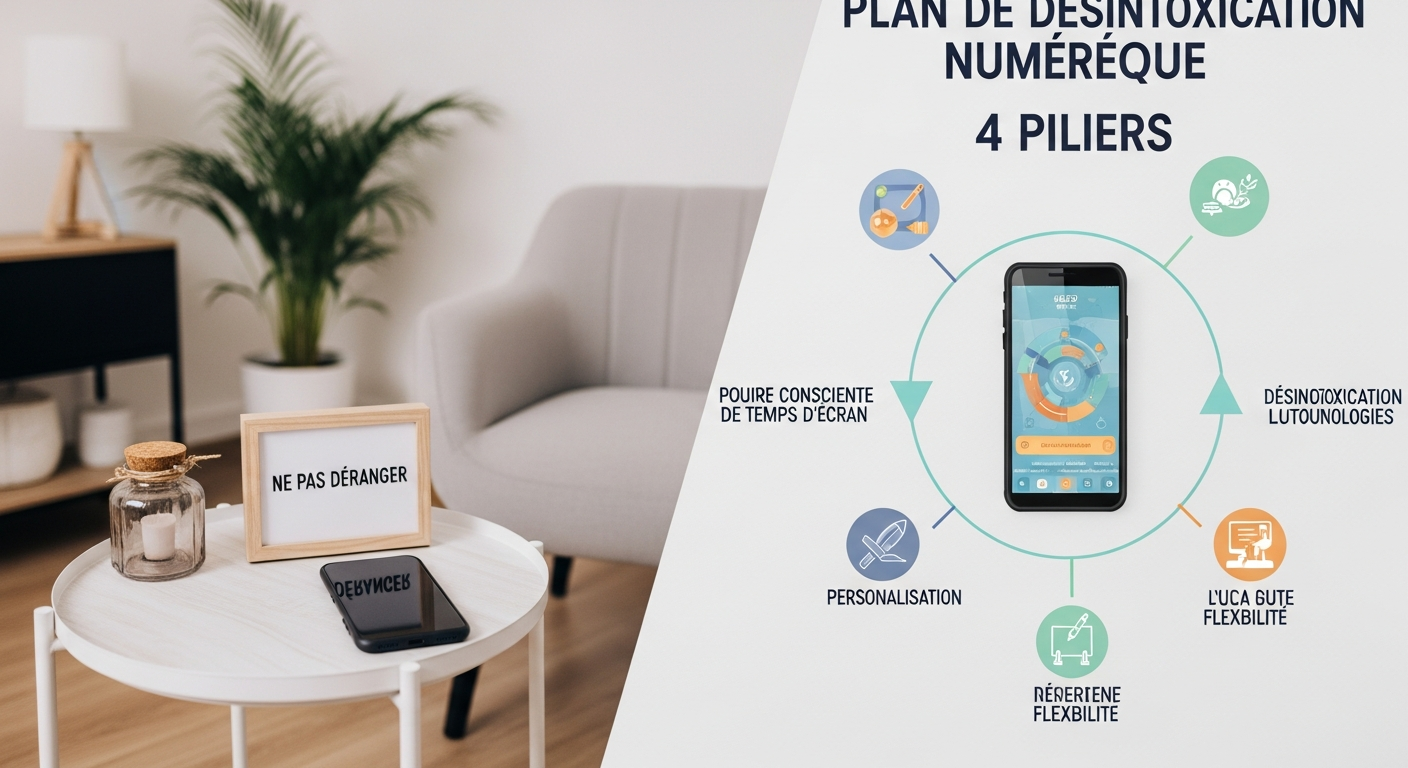
The comprehensive solution: Develop a robust “digital sobriety plan.” This plan should intentionally include regular social detoxes, planned digital fasting periods, and a rich array of offline social activities. This isn’t about becoming antisocial; it’s about becoming more intentionally social.
Building genuine social resilience:
- Quality over quantity: Prioritize building meaningful, high-quality in-person connections that don't rely on digital validation.
- Intentional engagement: Use social media with extreme purpose. Follow accounts that genuinely inspire, inform, or uplift, rather than those that drain or provoke comparison.
- Regular digital sabbaths: Schedule weekly periods of complete disconnection to reset your relationship with online validation.
- Offline social activities: Join clubs, volunteer, attend community events, or pursue hobbies that involve face-to-face interaction.
Measure your social health: Use validated assessment tools to track loneliness, social anxiety, and life satisfaction. Studies consistently show that individuals who reduce social media use by 30-50% while increasing offline social activities experience significant decreases in loneliness and depression symptoms.
The gradual approach: Start with “social media-free” mornings or evenings. Gradually extend these periods as you build confidence in your ability to feel connected and validated without digital feedback loops.
Implementation Framework: Your 30-Day Digital Wellness Reset
Week 1: Assessment and Awareness
- Complete a comprehensive digital habits audit using validated tools.
- Identify your primary emotional triggers for phone use.
- Implement basic notification management and sleep hygiene.
Week 2: Environmental Design
- Remove dark patterns and addictive app features.
- Create phone-free zones and times in your daily routine.
- Begin replacing digital activities with natural reinforcers.
Week 3: Skill Building
- Practice offline emotional regulation techniques.
- Develop intentional social media usage patterns.
- Strengthen real-world social connections and activities.
Week 4: Integration and Optimization
- Fine-tune your digital boundaries based on what you've learned.
- Create sustainable long-term practices.
- Establish ongoing assessment and adjustment protocols.
Essential Tools and Resources
Assessment Tools:
- Smartphone Addiction Scale (SAS)
- Digital Wellness Assessment questionnaires
- Sleep quality and mood tracking journals
- Social connection and loneliness scales
Behavioral Techniques:
- Cognitive-Behavioral Therapy (CBT) frameworks for addiction
- Mindfulness and present-moment awareness exercises
- Behavioral activation strategies for natural reward replacement
- Emotional regulation and distress tolerance skills
Technology Solutions:
- Advanced screen time controls and app limitations
- Blue light filtering tools and software
- Notification management and batching systems
- Digital wellbeing apps that support rather than replace human skills
Natural Reinforcement Activities:
- Regular physical exercise and outdoor activities
- Creative pursuits and skill development
- Meaningful social connections and community involvement
- Purpose-driven activities and volunteer work
Measuring Success: Beyond Screen Time
Functional Improvements to Track:
- Ability to tolerate boredom without reaching for your phone
- Improved sleep quality and energy levels
- Enhanced face-to-face social interactions and relationships
- Increased focus and productivity on meaningful tasks
- Reduced anxiety and improved emotional regulation
- Greater life satisfaction and sense of purpose
Red Flags to Watch For:
- Substituting one digital addiction for another
- Increased anxiety or depression during digital detox periods
- Social isolation or withdrawal from all technology
- Perfectionist thinking about digital wellness goals
- Relying solely on willpower without addressing underlying triggers
The Long-Term Perspective
True digital wellness isn’t about achieving perfect control over your technology use. It’s about developing a healthy, intentional relationship with digital tools that serves your broader life goals and values. This requires ongoing attention, regular assessment, and the flexibility to adjust your approach as technology and your life circumstances evolve.
The seven mistakes outlined here represent the most common pitfalls that can derail even well-intentioned recovery efforts. By understanding and avoiding these traps, you’re not just improving your relationship with your phone. You’re developing the psychological resilience and self-awareness that will serve you in all areas of life.
Remember: Recovery is not a destination but an ongoing practice of conscious choice, emotional awareness, and intentional living. The goal isn’t to eliminate technology from your life. Instead, it’s to ensure that you’re using it purposefully rather than being used by it.
Summary: The 7 Critical Mistakes and Their Solutions
| Mistake | Core Issue | Solution | Expected Impact |
|---|---|---|---|
| Focusing only on screen time | Missing emotional and psychological drivers | Multi-dimensional assessment + trigger work | More sustainable, deeper recovery |
| Over-relying on digital therapeutics | Avoiding fundamental skill development | Combine apps with offline skill building | Stronger internal resilience and self-regulation |
| Ignoring notification manipulation | Underestimating engineered engagement | Aggressive notification management | Reduced compulsive checking and anxiety |
| Missing dark pattern influence | Unconscious manipulation by app design | Digital literacy and environmental audit | Increased conscious choice and control |
| Removal without replacement | Creating psychological void | Natural reinforcer replacement plan | Reduced relapse and increased life satisfaction |
| Neglecting sleep impact | Impaired self-regulation from poor sleep | Digital curfew and sleep optimization | Better impulse control and emotional regulation |
| Ignoring social validation needs | Unaddressed need for connection and status | Intentional social media use + offline connection | Reduced FOMO and increased genuine social satisfaction |
Final Thoughts: The Path Forward
Digital wellness is ultimately about reclaiming your agency in an attention economy designed to capture and monetize your focus. The seven mistakes outlined here represent the most common ways that well-intentioned efforts can fall short of creating lasting change.
The path forward requires both individual skill development and a broader understanding of the systemic forces at play in our digital environment. By addressing these overlooked factors, you’re not just solving a personal problem. You’re developing the awareness and skills needed to thrive in an increasingly connected world.
Your next step: Choose one of these seven areas to focus on this week. Start small, be consistent, and remember that sustainable change happens through gradual progress, not dramatic overhauls. The goal is progress, not perfection, and every conscious choice you make strengthens your capacity for intentional living in the digital age.
Disclaimer: This information is provided for educational and informational purposes only and does not constitute professional medical advice. Always consult a qualified healthcare professional for personalized treatment and guidance regarding phone addiction or any other health concerns.