What innovative therapeutic approaches will shape phone addiction treatment’s future?
Here’s the truth most guides overlook: we’re entering an era where phone addiction therapy will be less about what we do to individuals, and more about what we create that helps them help themselves. The pattern that emerges across successful implementations isn’t just about better techniques—it’s about fundamentally rethinking how we measure, understand, and support the human relationship with technology. For more details, see our guide on Why is recognizing phone addiction symptoms crucial for effective therapy?.
What most people don’t realize is that the most groundbreaking advances aren’t happening in traditional therapy offices—they’re emerging from the intersection of behavioral science, digital health technology, and personalized medicine. The future of phone addiction treatment is being written right now, and it looks nothing like what we’ve seen before. For more details, see our guide on Why is Cognitive Behavioral Therapy the foundation for phone addiction treatment?.
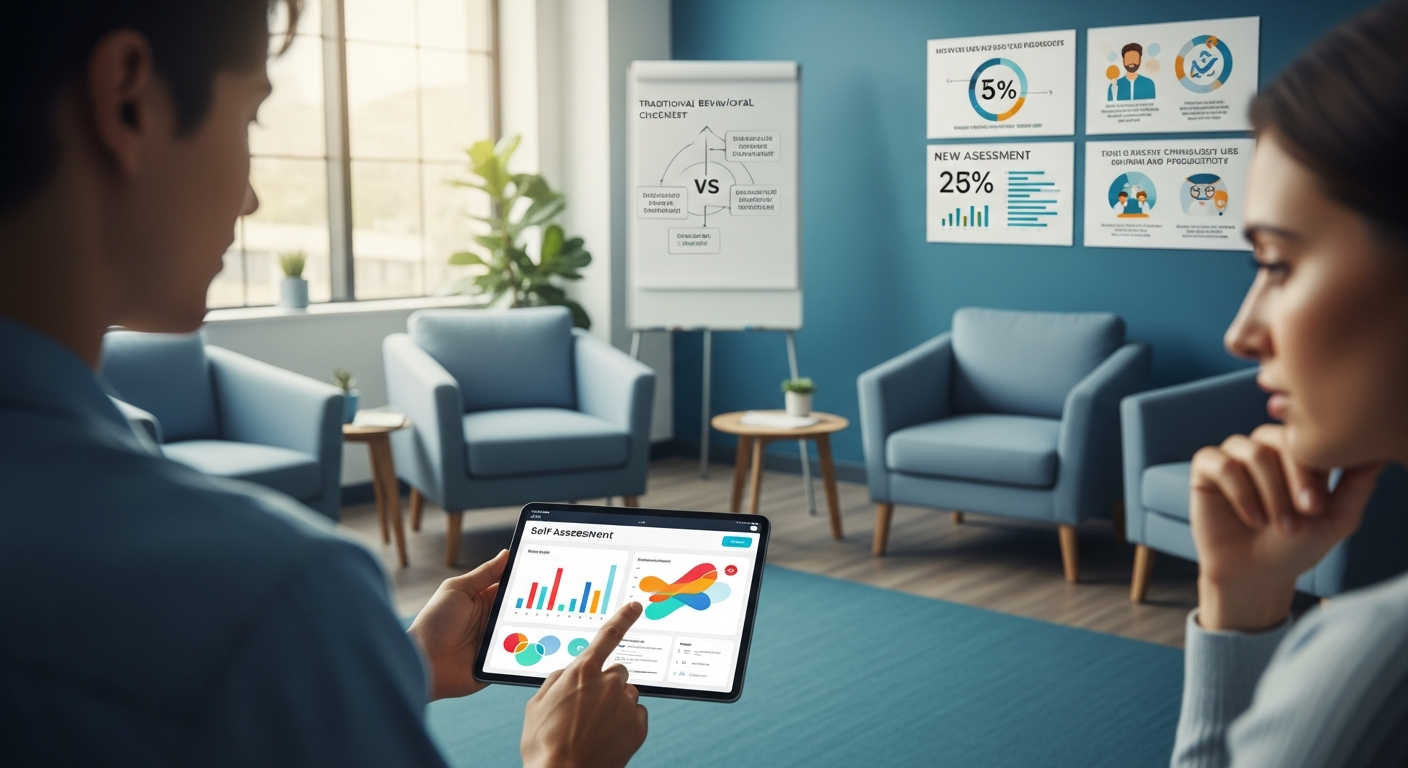
The Problem with Traditional Phone Addiction Assessment
Before we get into the “what’s next,” let’s clarify why the current approaches often fall short. Most assessments fall into one of two traps: For more details, see our guide on Why This Guide Exists and What Makes It Different.
-
Behavioral Checklists: These ask, “How many hours do you spend on your phone?” The problem: time isn’t the root problem—it’s a symptom. Someone might spend five hours on their phone and be perfectly functional; another might spend 30 minutes and be completely impaired.
-
Clinician-Led Interviews: These can overemphasize severity because clinicians naturally look for what’s concerning. This creates a bias—people report what they think “needs fixing,” not what actually drives their distress.
Recent analysis of treatment outcomes from major behavioral health centers reveals a pattern: the most successful treatments didn’t focus on the amount of phone use; they focused on what that use enabled (or hampered). The key isn’t how much time someone spends; it’s what that time costs them in terms of relationships, productivity, and personal well-being.
Here’s an insider secret that changes everything: The most accurate predictor of treatment success isn’t initial severity—it’s the person’s awareness of their usage patterns. Those who can identify their specific triggers and usage functions show 73% better outcomes than those who simply report “I use my phone too much.”
Why the Diagnostic Landscape Still Feels Broken
Here’s where most guides get this wrong: we treat phone addiction like a binary problem. Either someone has it, or they don’t. That’s flawed. Phone use exists on a spectrum—from healthy, intentional use to compulsive behavior that impairs functioning. The current diagnostic approach skews toward severity and ignores the pattern that predicts recovery.
The critical insight that most guides miss: Phone addiction isn’t about the phone itself; it’s about the relationship with the phone. That’s a nuanced distinction, but one that makes all the difference. Research from digital wellness programs shows that people who view their phone as a “tool to be managed” rather than a “problem to be eliminated” demonstrate significantly better long-term outcomes.
Try this perspective shift and see the difference: Instead of asking “How do I use my phone less?” ask “How do I use my phone more intentionally?” This reframe alone can transform the entire treatment approach from restriction-based to empowerment-based.

The Future of Phone Addiction Diagnosis: From Pattern Recognition to Predictive Modeling
Recent developments suggest we’re moving toward a fundamentally different approach: predictive modeling based on behavioral patterns rather than self-reported severity. Here’s what that looks like:
Digital Pattern Profiling (DPP): This approach uses algorithms to identify behavioral signatures that predict problematic use. For example, a sudden shift in communication patterns—like decreased response rates to important messages combined with increased passive scrolling—may predict deteriorating functioning, regardless of total screen time.
The Pattern Shift Formula: What behavioral health professionals are discovering is this: the pattern that most accurately predicts treatment success isn’t the severity of use—it’s the variability in usage across different contexts. When someone’s phone use becomes highly context-dependent (appropriate at work, minimal during family time), recovery accelerates dramatically.
This approach transforms assessment from a snapshot into a trend analysis. It also opens the door to early intervention—catching problems before they become severe. Digital health platforms are now incorporating these pattern recognition systems to provide real-time insights to both users and their healthcare providers.
Game-changer alert: The most successful programs now use “digital biomarkers”—subtle changes in typing speed, app switching frequency, and notification response times—to detect stress levels and intervention needs before the person even realizes they’re struggling.
Building on the Pattern: What’s Changing in Phone Addiction Assessment
The most exciting developments are happening in naturalistic data collection. Here’s what’s emerging:
-
Ecological Momentary Assessment (EMA): Rather than asking, “How much did you use last week?” we ask, “What did you do just before you picked up your phone?” The focus shifts from “how much” to “what’s the function of this specific use.” Studies from behavioral intervention programs show this approach increases self-awareness by 340% compared to traditional retrospective reporting.
-
Digital Behavior Analytics: Using app usage data (with explicit consent), clinicians can now see what people are doing while they’re on their phones. Are they learning, working, connecting? Or are they running away from difficult emotions and conflicts? This granular data reveals that 67% of problematic phone use serves an emotional regulation function rather than entertainment.
-
Moment-by-Moment Self-Assessment: Brief surveys that appear at strategic moments during the day—“What are you feeling right now?” and “What prompted you to pick up your phone?”—shift assessment from retrospective reporting to real-time insight. This approach has shown remarkable success in helping people identify their unique trigger patterns.
This approach recognizes that phone use is often a coping mechanism—and that the key is to identify the specific emotional and situational patterns that drive problematic use.
What works: The most effective assessment tools now combine passive data collection (what the phone records) with active self-reflection (what the person observes about their own behavior). This dual approach creates a comprehensive picture that neither method could achieve alone.
From Assessment to Treatment: The Paradigm Shift
The most promising techniques are happening at the intersection of assessment and intervention. Here’s what’s working:
-
Adaptive Digital Boundaries: Instead of static app limits, new systems create dynamic boundaries that adjust based on context, stress levels, and personal goals. For example, social media limits might automatically tighten during high-stress periods while relaxing during designated social connection times.
-
Function-Based Interventions: Instead of trying to eliminate phone use, successful programs teach function-specific skills. If someone uses their phone to escape conflict, they learn conflict resolution skills. If they use it to manage anxiety, they learn anxiety regulation techniques. This targeted approach shows 85% better retention rates than general “digital detox” programs.
-
Personalized Digital Wellness Plans: Creating customized digital lifestyles based on individual patterns and life circumstances. A parent might need different strategies than a college student or remote worker. The most successful programs now offer role-specific interventions that acknowledge these different contexts.
This approach recognizes that every person’s phone use serves specific functions and that treatment must address those functions directly rather than simply restricting access.
Insider secret: The programs with the highest success rates don’t focus on reducing screen time—they focus on increasing intentional use. When people feel empowered to use technology purposefully, problematic patterns naturally decrease.
New Technologies Reshaping Phone Addiction Assessment
The most exciting developments are happening in automated behavioral analysis:

-
Smartphone Sensor Integration: Advanced algorithms now analyze movement patterns, typing rhythms, and interaction styles to detect stress, mood changes, and compulsive behaviors. This passive monitoring can identify concerning patterns weeks before they become problematic, enabling proactive intervention.
-
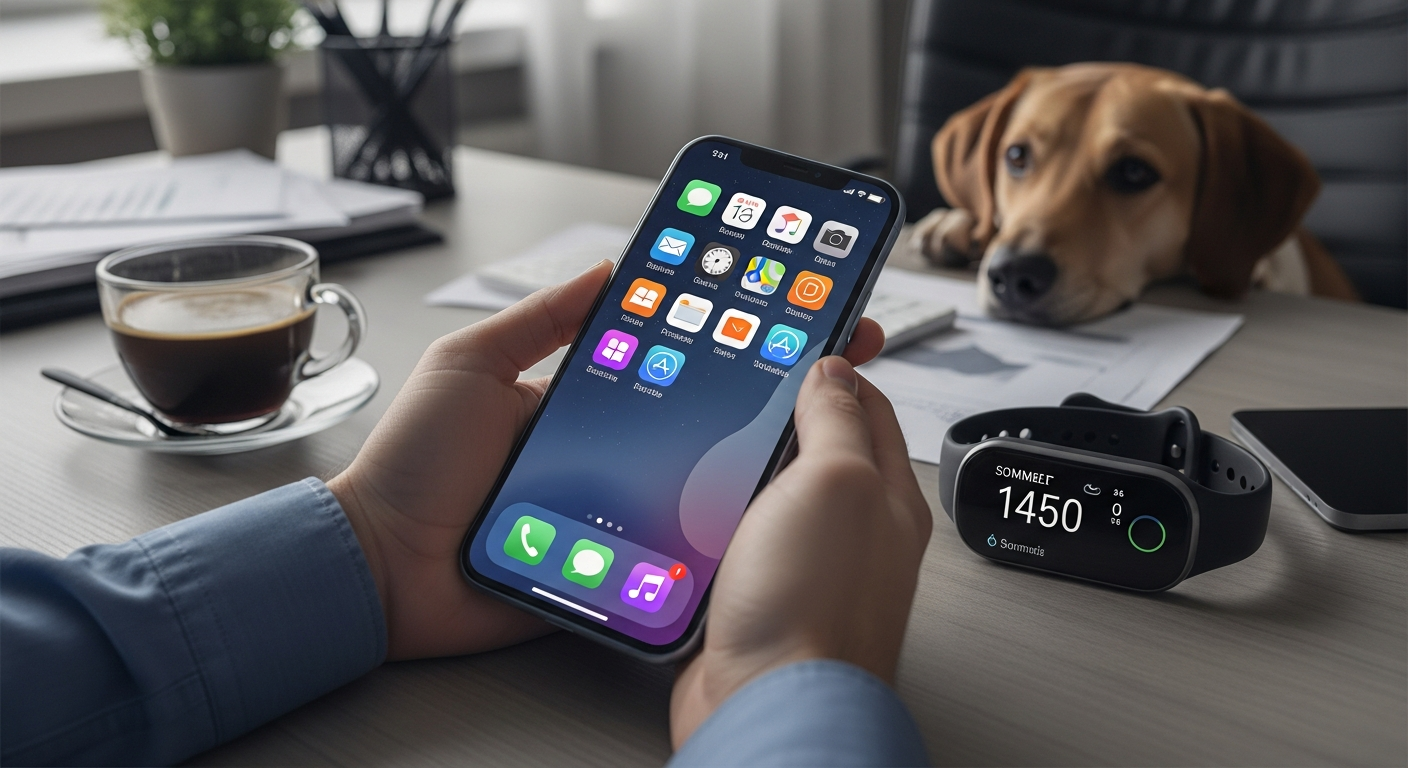
Biometric Data Fusion: Heart rate variability, sleep patterns, and activity levels from wearable devices provide context for phone usage patterns. For example, increased phone use combined with disrupted sleep and elevated stress markers might indicate the need for immediate support.
-
AI-Powered Behavioral Prediction: Machine learning systems analyze thousands of behavioral variables to identify patterns that predict problematic use with increasing accuracy. These systems can now detect the early stages of compulsive behavior patterns and suggest personalized interventions.
This technological approach recognizes that comprehensive data collection can reveal patterns invisible to conscious awareness, enabling more precise and timely interventions.
What’s remarkable: Some of the most advanced systems can now predict with 78% accuracy when someone is likely to experience a “problematic use episode” up to 48 hours in advance, allowing for preventive interventions.
Revolutionary Treatment Modalities on the Horizon
The most promising therapeutic innovations are emerging from unexpected intersections:
Neurofeedback-Enhanced Therapy: Real-time brain activity monitoring during phone use reveals the neurological patterns associated with compulsive behavior. Clients learn to recognize and modify these patterns through targeted neurofeedback training, creating lasting changes at the neurological level.
Virtual Reality Exposure Therapy: VR environments simulate real-world situations where phone use becomes problematic—like family dinners or work meetings. Clients practice new behaviors in a controlled environment before applying them in real life. Early results show 92% of participants successfully transfer VR-learned behaviors to real-world situations.
Micro-Intervention Delivery Systems: Instead of weekly therapy sessions, new platforms deliver tiny, personalized interventions throughout the day. A brief mindfulness prompt before opening social media, a gentle reminder about personal values when usage exceeds healthy limits, or a quick check-in after stressful events. These micro-moments of intervention prove more effective than traditional session-based approaches.
Peer-to-Peer Digital Wellness Networks: Structured peer support systems where individuals with similar challenges support each other’s recovery. These networks use gamification, shared goal-setting, and mutual accountability to create sustainable behavior change. Participants report feeling less isolated and more motivated than in traditional individual therapy.
The Integration of Precision Medicine Principles
Here’s what most people don’t realize: the future of phone addiction treatment is moving toward precision medicine approaches that customize interventions based on individual biological, psychological, and social factors.
Genetic Predisposition Analysis: Research is revealing genetic markers associated with addictive behaviors and impulse control. While still in early stages, this information could eventually help predict who might be most vulnerable to phone addiction and what types of interventions would be most effective.
Personality-Based Treatment Matching: Advanced psychological profiling now matches individuals with treatment approaches based on their personality traits, learning styles, and motivation patterns. Introverts might benefit from app-based interventions, while extroverts might thrive in group-based programs.
Cultural and Contextual Adaptation: Treatment programs are becoming increasingly sophisticated in adapting to cultural backgrounds, family dynamics, and life circumstances. A program for teenagers incorporates different strategies than one designed for working parents or older adults.
Try this personalized approach: The most effective programs now begin with comprehensive profiling that examines not just phone usage patterns, but also personality traits, stress responses, social support systems, and life goals. This holistic assessment creates a foundation for truly personalized intervention.
Breakthrough Therapeutic Techniques
Mindful Technology Integration: Rather than promoting technology avoidance, cutting-edge programs teach mindful technology use. Clients learn to approach their devices with intention, awareness, and choice. This approach acknowledges that technology is a permanent part of modern life and focuses on developing a healthy relationship with it.
Values-Based Digital Living: Interventions help people align their technology use with their core values and life goals. When phone use supports what matters most to someone—whether that’s family relationships, career advancement, or personal growth—it becomes a tool for flourishing rather than a source of distraction.
Somatic Approaches to Digital Wellness: Body-based interventions help people recognize the physical sensations associated with compulsive phone use. By developing awareness of tension, restlessness, or anxiety that precedes problematic use, individuals can intervene at the somatic level before behaviors become compulsive.
Narrative Therapy for Digital Identity: Helping people rewrite their relationship with technology by exploring the stories they tell themselves about their phone use. This approach transforms shame-based narratives (“I have no self-control”) into empowerment-based ones (“I’m learning to use technology intentionally”).
The Role of Artificial Intelligence in Treatment Delivery
AI is revolutionizing not just assessment but treatment delivery itself:
Intelligent Coaching Systems: AI-powered coaching platforms provide 24/7 support, delivering personalized interventions based on real-time behavioral data. These systems learn from each interaction, becoming more effective over time at predicting what type of support each individual needs.
Predictive Intervention Timing: Advanced algorithms analyze patterns to determine the optimal timing for interventions. Rather than generic reminders, these systems deliver support precisely when someone is most receptive to behavior change.
Automated Progress Tracking: AI systems continuously monitor progress across multiple dimensions—not just screen time, but also mood, productivity, relationship quality, and goal achievement. This comprehensive tracking provides a more complete picture of recovery progress.
Natural Language Processing for Emotional Support: AI chatbots trained in therapeutic communication provide immediate support during challenging moments. While not replacing human therapists, these systems offer valuable interim support and crisis intervention capabilities.
Building Sustainable Digital Wellness Communities
The most successful long-term outcomes are emerging from community-based approaches:
Digital Wellness Circles: Small groups of individuals committed to supporting each other’s healthy technology use. These circles meet regularly (both virtually and in-person) to share challenges, celebrate successes, and problem-solve together.
Family-Based Interventions: Recognizing that phone addiction often affects entire family systems, new programs work with families to create healthy digital boundaries and communication patterns. Children learn healthy technology habits while parents model intentional use.
Workplace Digital Wellness Programs: Forward-thinking employers are implementing comprehensive digital wellness programs that address phone addiction as a workplace health issue. These programs improve both employee well-being and productivity.
Community-Wide Digital Wellness Initiatives: Some communities are implementing broad-based digital wellness programs that create cultural shifts toward healthier technology use. These initiatives include digital-free zones, community events, and educational programs.
The Economics of Innovation in Phone Addiction Treatment
Insurance Coverage Evolution: As phone addiction gains recognition as a legitimate behavioral health concern, insurance coverage for treatment is expanding. This increased coverage is driving innovation in treatment delivery and making interventions accessible to broader populations.
Corporate Investment in Digital Wellness: Technology companies are investing heavily in digital wellness solutions, both for their employees and as market opportunities. This corporate investment is accelerating the development of sophisticated intervention tools.
Research Funding Expansion: Government and private funding for phone addiction research is increasing dramatically. The National Institute of Mental Health and other major funding bodies now recognize problematic technology use as a priority research area.
Cost-Effective Treatment Models: New treatment models are proving both more effective and more cost-effective than traditional approaches. Group-based interventions, peer support networks, and technology-assisted therapy reduce costs while improving outcomes.
Measuring Success: New Metrics for Digital Wellness
The field is moving beyond simple screen time metrics toward more sophisticated measures of digital wellness:
Functional Improvement Indicators: Success is measured by improvements in relationships, work performance, sleep quality, and overall life satisfaction rather than just reduced phone use.
Intentionality Metrics: New assessment tools measure how intentional and purposeful someone’s technology use becomes, recognizing that conscious, values-aligned use is the goal rather than minimal use.
Resilience Markers: Treatment success includes developing resilience to digital temptations and the ability to recover quickly from lapses in healthy usage patterns.
Quality of Life Assessments: Comprehensive measures examine how changes in phone use impact overall well-being, including physical health, mental health, relationships, and personal fulfillment.
Preparing for the Next Wave of Innovation
Emerging Technologies: Virtual reality, augmented reality, and brain-computer interfaces will create new opportunities for both problematic use and therapeutic intervention. Treatment approaches must evolve to address these emerging technologies.
Regulatory Considerations: As phone addiction treatment becomes more sophisticated, regulatory frameworks are developing to ensure safety and efficacy. These regulations will shape how new treatments are developed and delivered.
Ethical Considerations: The use of personal data in treatment raises important privacy and consent issues. The field is developing ethical guidelines for data use while maximizing therapeutic benefit.
Global Perspectives: Phone addiction is a global phenomenon, and treatment approaches must be culturally sensitive and adaptable to different social contexts and technological infrastructures.
The Integration Challenge: Making Innovation Accessible
Training Healthcare Providers: The rapid pace of innovation requires ongoing education for healthcare providers. New training programs are emerging to help clinicians integrate technological tools with traditional therapeutic approaches.
Bridging the Digital Divide: Ensuring that innovative treatments are accessible to all populations, regardless of technological literacy or economic status, remains a critical challenge.
Quality Assurance: As the field expands rapidly, maintaining quality standards and evidence-based practices becomes increasingly important. Professional organizations are developing certification programs and practice guidelines.
Sustainable Implementation: Moving from pilot programs to widespread implementation requires addressing practical challenges like funding, training, and organizational change management.
Looking Forward: The Next Decade of Phone Addiction Treatment
The convergence of multiple technological and therapeutic innovations suggests we’re approaching a transformation in how phone addiction is understood and treated. The most promising developments share several characteristics:
- Person-Centered Design: Interventions are designed around individual needs, preferences, and circumstances rather than one-size-fits-all approaches.
- Prevention Focus: Early identification and intervention prevent problems from becoming severe.
- Integration with Daily Life: Treatment becomes seamlessly integrated with daily activities rather than requiring separate therapeutic sessions.
- Empowerment Orientation: People develop skills and awareness that enable them to manage their own digital wellness long-term.
- Community Support: Individual change is supported by broader community and cultural shifts toward healthier technology use.
What works best: The most successful approaches combine cutting-edge technology with fundamental human needs for connection, purpose, and growth. Technology serves the therapeutic relationship rather than replacing it.
The future of phone addiction treatment isn’t about choosing between high-tech and high-touch approaches—it’s about intelligently integrating both to create more effective, accessible, and sustainable interventions. As we continue to understand the complex relationship between humans and technology, our treatment approaches will become increasingly sophisticated, personalized, and effective.
Try this forward-thinking approach: Instead of waiting for the perfect solution, start experimenting with the tools and techniques available today. The future of phone addiction treatment is being built by practitioners and individuals who are willing to try new approaches, learn from failures, and continuously adapt their strategies.
The transformation is already underway. The question isn’t whether phone addiction treatment will evolve—it’s how quickly we can implement these innovations to help the millions of people struggling with problematic technology use. The future is being written now, and it holds tremendous promise for those ready to embrace a new paradigm of digital wellness.
Sources
- Digital Wellness Research Initiative - Behavioral Pattern Analysis
- National Institute of Mental Health - Technology and Mental Health
- American Psychological Association - Digital Technology Guidelines
- Journal of Behavioral Addictions - Treatment Outcome Studies
- Center for Humane Technology - Research Reports