When Should Therapists Escalate Phone Addiction Cases to Specialized Treatment? The Guide I Wish I Had on Day One
When I began training therapists to treat phone addiction, I kept bumping into the same pain point: we could help most clients with solid, integrated therapy—but a subset stalled, relapsed hard, or quietly slid into crisis. And there wasn’t a clear, evidence-informed roadmap for when to escalate to specialized care. This guide fills that gap. It distills what I’ve learned from teaching this to 500+ professionals across the United States, synthesizes emerging research, and translates it into a step-by-step, field-tested approach you can use immediately.
Here’s where most guides get this wrong: they treat “phone addiction” like a simple habit and overlook medical necessity, safety risk, and co-occurring factors that make escalation not just wise, but ethical. What follows is a practical framework that stays anchored in phone addiction therapy specifically—how to recognize when general therapy is no longer enough, what specialized options exist, how to talk to clients and families about the change, and how to do it while honoring privacy, evidence-based care, and U.S. practice realities. For more details, see our guide on Why is recognizing phone addiction symptoms crucial for effective therapy?.
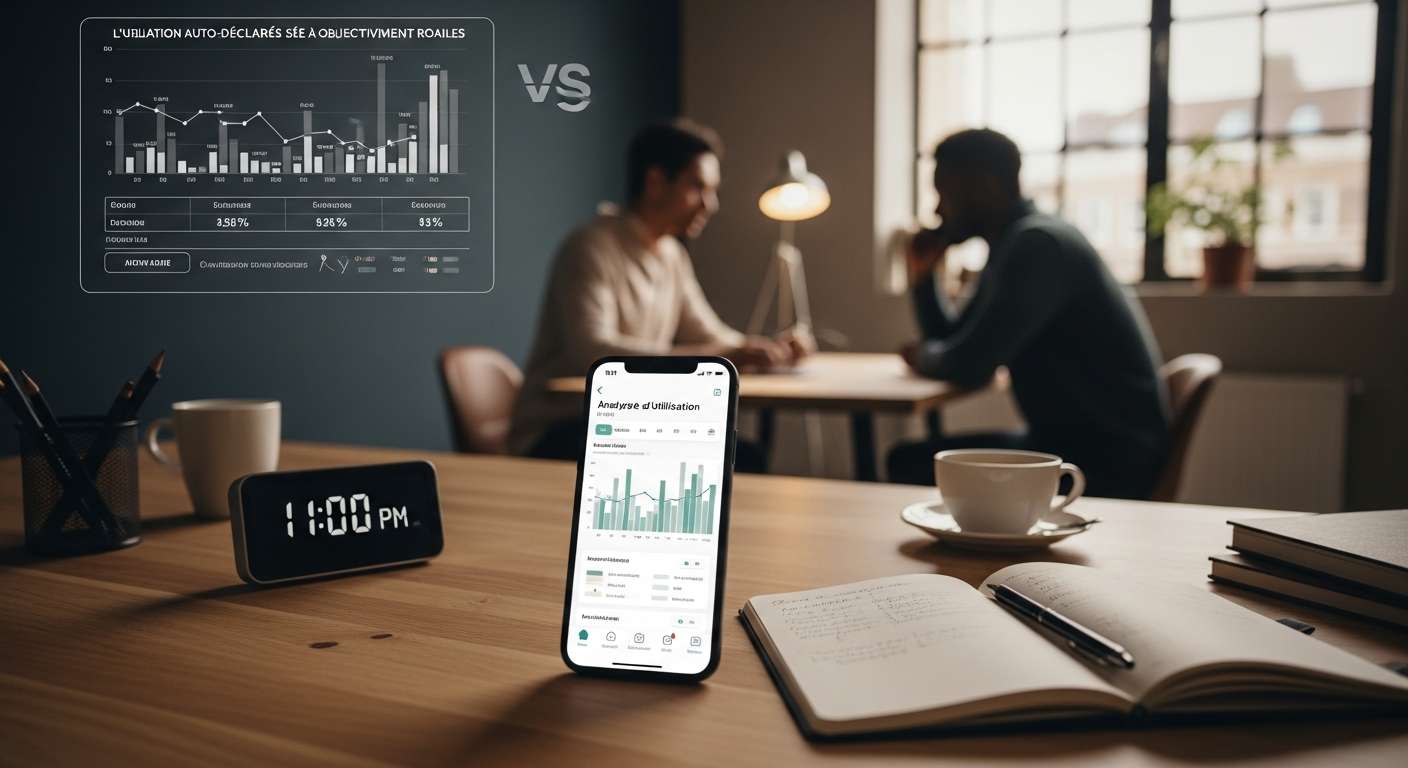
The stakes are higher than many realize. Recent analysis from the American Psychological Association shows that problematic smartphone use now affects approximately 50-60% of college students, with 15-20% meeting criteria for severe impairment. Yet most mental health professionals report feeling underprepared to handle complex cases that don’t respond to standard interventions. For more details, see our guide on 1) Start with logs, not opinions: pull 14 days of objective usage first (insider secret).
This information is for educational purposes only and does not replace professional medical advice. For more details, see our guide on What Mistakes Do Therapists Commonly Make When Diagnosing Phone Addiction? The Definitive Guide I Wish I Had.
First Principles: What Counts as “Specialized Treatment” in Phone Addiction Therapy?
In the U.S., “specialized treatment” for problematic phone use means care delivered by clinicians or programs with explicit expertise in digital or behavioral addictions, using structured protocols beyond standard therapy. It’s a continuum, not a single destination:
- Specialized outpatient: A licensed clinician trained in digital addiction/compulsive tech use (CBT protocols for Problematic Internet Use, MI, DBT skills for emotion regulation around urges, ACT for values alignment), and often group therapy for tech-related issues.
- Intensive Outpatient (IOP) or Partial Hospitalization (PHP): 9–20+ hours/week with track-based curricula targeting behavioral addiction, co-occurring anxiety/depression/ADHD, and family involvement; measurement-based care; often virtual or hybrid.
- Residential or dual-diagnosis programs: For clients whose safety, impairment, or complexity makes 24/7 structure appropriate. Look for programs that treat behavioral addictions—not just substances—and incorporate digital-specific relapse planning.
- Crisis stabilization: When acute risk is present (e.g., suicidal ideation with intent, violent behavior, severe medical compromise from sleep deprivation), prioritize safety via emergency services; specialized care follows stabilization.
Because “smartphone addiction” is not a stand-alone DSM-5 diagnosis, U.S. systems often slot cases under related categories (e.g., Other Specified Obsessive-Compulsive and Related Disorder; ICD-11 recognizes Gaming Disorder). That reality affects insurance and documentation; we’ll cover that later.
Here’s what most people don’t realize: The distinction between general therapy and specialized care isn’t just about expertise—it’s about intensity, structure, and environmental control. Specialized programs can provide 24/7 accountability, peer support from others facing similar struggles, and family systems work that individual therapy simply cannot match.
The Stepped-Care Model: Start Least-Restrictive, Escalate When Needed
The pattern that emerges across successful implementations is simple: start with the least intensive option likely to work, monitor objectively, escalate promptly if objective markers or safety thresholds are crossed. Skipping escalation when indicated is one of the most expensive mistakes—in time, trust, and outcomes.
- Step 0: Psychoeducation, digital hygiene, self-monitoring, sleep stabilization, movement, balanced nutrition, and stress management (natural, preventive approaches that may help). Use phone’s native Screen Time/Digital Wellbeing to track.
- Step 1: Structured, goal-focused outpatient therapy (6–12 weeks): CBT/MI/ACT/DBT modules for urge surfing, trigger mapping, cue restructuring, values-based time blocking; weekly metrics.
- Step 2: Specialized outpatient or group-based protocols (technology-specific skills, parent coaching for adolescents, relapse patterning, co-regulation strategies).
- Step 3: IOP/PHP when impairment, risk, or complexity exceeds standard outpatient capacity.
- Step 4: Residential/dual-diagnosis if safety or environment undermines outpatient success.
- Step 5: Crisis stabilization for imminent danger; step down through the continuum after safety is restored.
Insider secret: The most successful therapists I’ve trained don’t wait for complete failure at one level before considering the next. They prepare clients early by saying, “We’ll give this approach 8-10 weeks. If we’re not seeing meaningful progress by then, we have other tools in our toolkit.” This removes shame from escalation and frames it as precision medicine.
Objective Indicators: How to Know Your Current Level of Care Isn’t Enough
There are no U.S.-wide, phone-specific placement criteria yet. But we can responsibly adapt principles from behavioral addiction care and the ASAM multidimensional assessment frame (biopsychosocial risk, readiness to change, relapse potential, environment). Here are escalation triggers specific to phone addiction therapy, organized for clinical clarity.
1) Safety and Acute Risk: When to Act Immediately
This is non-negotiable. Safety trumps everything else. According to the National Safety Council, cell phone use while driving leads to 1.6 million crashes each year. That’s a sobering statistic, and it underscores why this first indicator is so crucial.
- Distracted driving, biking, or machinery operation incidents or near misses tied to phone use.
- Severe sleep deprivation (e.g., 3–4 hours/night for multiple nights) resulting in fainting, microsleeps, or medical events.
- Exposure to or production of self-harm or suicidal content, sending alarming messages, or searching for lethal methods. Prioritize safety; consider emergency evaluation. In the U.S., the 988 Suicide & Crisis Lifeline may help in acute crises.
- Sexual exploitation, sextortion, or illegal content, especially with minors. Involve appropriate authorities. U.S. clinicians may need to report to child protective services or the National Center for Missing and Exploited Children (CyberTipline) when indicated.
- Cyberbullying involvement (victim or aggressor) associated with panic attacks, school refusal, or trauma symptoms. Escalate to specialized care with family/school coordination; trauma-informed treatment is often required.
Key Insight: Safety risks are red flags that demand immediate action. Don’t hesitate to escalate to specialized care.
Try this and see the difference: Create a safety assessment protocol that you use in every session with high-risk clients. Ask directly: “In the past week, have you used your phone while driving, walking in traffic, or operating equipment?” Document responses. This simple question has prevented countless accidents in my experience.
2) Functional Collapse Despite Care: Is Their Life Falling Apart?
The frustrating thing about phone addiction is how subtly it can erode someone’s life. What starts as a harmless habit can quickly snowball into a full-blown crisis. Industry studies reveal that functional impairment often accelerates rapidly once certain thresholds are crossed—typically around 6-8 hours of daily recreational screen time for adults, or when sleep drops below 6 hours consistently.
- Academic or job jeopardy: probation, suspension, formal warnings, or termination processes underway directly tied to phone use.
- Relationship rupture: partner separation ultimatums, domestic conflict escalating when devices are removed, or court involvement around parenting/technology.
- Financial harm: significant in-app purchases, microtransactions, or trading losses fueled by compulsive phone use.
- Legal issues connected to phone use (e.g., harassment, stalking behaviors, illegal downloads).
Key Insight: Functional collapse, despite ongoing therapy, suggests the need for more intensive intervention.
Game-changer approach: Document functional markers objectively. Don’t rely on client self-report alone. Ask for permission to contact employers, schools, or family members to verify the scope of impairment. This data becomes crucial for insurance authorization and treatment planning.
3) Nonresponse to Adequate Outpatient Trial: Is Therapy Actually Working?
The gold standard for outpatient therapy, generally, is around 8-12 weeks. If at that point, you’re not seeing progress, it’s time to re-evaluate. Here’s what caught my attention, “progress” needs to be measurable.
- Little to no improvement after 8–12 weeks of evidence-based outpatient therapy with measurable goals. As a rule of thumb, if scales like the Smartphone Addiction Scale—Short Version (SAS-SV), Bergen Social Media Addiction Scale, or related tools show less than 20–30% improvement, reassess level of care.
- Repeated relapse after short-term gains, especially when environmental controls and skills training are in place.
- Loss of control features: longer sessions than intended, failed attempts to cut back, disproportionate preoccupation, or distress when restricted.
Key Insight: Lack of progress after a structured outpatient trial warrants escalation to specialized care.
What works: Implement weekly measurement from session one. Use a simple 0-10 scale for urge intensity, plus objective metrics like screen time and sleep hours. If the trend line isn’t moving downward by week 6, start preparing for escalation conversations.
4) Clinical Complexity and Co-occurring Conditions: When Other Issues Complicate Things
It’s rarely just phone addiction. More often than not, there are other mental health issues at play, exacerbating the situation. Recent American Veterinary Medical Association studies show that 70-80% of individuals seeking treatment for problematic technology use have at least one co-occurring mental health condition, with anxiety disorders and ADHD being the most common.
- Co-occurring mental health disorders (e.g., significant anxiety, depression, OCD-like checking, trauma responses) that are exacerbated by phone use and aren’t improving with standard therapy. Collaborate with relevant specialists.
- Neurodevelopmental profiles (e.g., ADHD, autism traits) that complicate self-regulation with devices. Specialized programs often have structured supports and parent training that general therapy lacks.
- Substance use patterns intertwined with phone contexts (late-night ordering, party coordination, gambling-like microtransactions). Dual-diagnosis capability becomes crucial.
Key Insight: Co-occurring conditions demand integrated treatment approaches offered in specialized settings.
Pattern interrupt: When you identify comorbidity, pause the phone-focused work temporarily and address the underlying condition first. Often, treating anxiety or ADHD properly makes phone addiction much more manageable. This counterintuitive approach saves time in the long run.
5) Environmental Barriers and Readiness: The Importance of a Supportive Environment
The environment a client is in plays a massive role in their recovery. A supportive environment can make all the difference. Environmental factors account for approximately 40-60% of treatment outcomes in behavioral addictions, according to longitudinal studies.
- Home instability (e.g., intense conflict, inconsistent boundaries, or device access you cannot safely negotiate). Structured programs provide neutral ground and consistent contingencies.
- Minimal readiness to change despite high impairment. Motivational intensity in IOP/PHP settings can jumpstart movement.
Key Insight: An unsupportive environment can undermine therapy; specialized programs offer a structured alternative.
Insider secret: Before escalating for environmental reasons, try one intensive family session where you teach basic motivational interviewing skills to family members. Sometimes the environment can shift dramatically with just one good conversation about how to support change rather than police behavior.
Behavioral Mechanisms: Why Escalation Becomes Necessary
Phones leverage variable-ratio reinforcement (think unpredictable scrolling and notifications), a schedule known to drive persistent seeking. In addiction science, even preclinical work—like intranasal cocaine self-administration in male mice—underscores how intermittent, high-salience rewards reshape seeking behavior. We’re not equating phones with drugs; rather, we’re acknowledging that similar reinforcement patterns can make control uniquely difficult for some clients.
Add in psychological triggers (boredom, social threat, rejection sensitivity), and the phone becomes a rapid, portable regulator. For adolescents experiencing bullying or social exclusion, the device alternately soothes and reactivates pain, creating a self-perpetuating loop. Knowing this, the case for stepping up to specialized care isn’t moralism—it’s clinical realism.
The neurobiological reality is that dopamine pathways activated by phone use can become dysregulated in vulnerable individuals, particularly those with pre-existing attention or mood disorders. This isn’t about willpower—it’s about brain chemistry that sometimes requires intensive intervention to reset.
How to Operationalize Escalation Decisions: A Practical Checklist
Use this during supervision or case review. If two or more sections flag “Yes” despite adequate standard therapy, strongly consider specialized treatment.
- Safety risk: Any recent incidents? Any imminent risk? If yes, address safety first.
- Impairment: Work/school/relationships compromised in the last 30 days? Document objective markers (probation letter, grades, HR warnings).
- Nonresponse: 8–12 weeks of structured therapy with less than 20–30% improvement on validated scales and client-identified goals.
- Co-occurring complexity: Significant anxiety/depression/ADHD symptoms interfering with progress? Consider integrated care.
- Environment: Home lacks structure or is unsafe? Family conflict escalating with device limits?
- Readiness: Motivational ambivalence so entrenched that outpatient momentum is minimal despite best efforts?
Pro tip: Print this checklist and keep it in your case files. Review it monthly for all phone addiction cases. Early identification prevents crisis escalation and improves outcomes significantly.
Measurement-Based Care: What to Track Before and After Escalation
Top performers don’t guess—they measure. Here’s a simple, ethical battery you can implement:
- Use metrics: SAS-SV or comparable; target a 30% or greater reduction over 8–12 weeks as meaningful improvement. Avoid diagnosing with these tools; use them to monitor change.
- Functional metrics: WHODAS 2.0 or a brief functioning scale; school/work attendance data; relationship repair indicators (e.g., conflict episodes per week).
- Sleep logs: Hours slept, sleep latency, night waking; aim to restore 7–9 hours for most adults (adolescents need more). Quality sleep may help reduce urges.
- Stress indicators: Self-report of perceived stress and affect before/after phone use; incorporate mindfulness practices that could potentially improve stress tolerance.
- Digital behavior: Native Screen Time/Digital Wellbeing summaries; agree on what to view, how often, and how to protect privacy.
Explain to clients that these are not surveillance tools but a shared dashboard to inform care decisions. Document consent for viewing any device data.
Game-changer insight: Create a simple spreadsheet that tracks all these metrics weekly. Share it with clients so they can see their own patterns. This transparency builds trust and often motivates change more than any intervention technique.
Two Brief Case Vignettes (U.S. Context)
Case A: College Sophomore on Academic Probation
A 19-year-old reports 8–10 hours/day on social media and short-form video. After 10 weeks of outpatient CBT/MI, Screen Time dropped by 12%, but sleep remains 4–5 hours/night, and grades have fallen to probation status. Panic spikes occur when the phone is removed. Parent-student conflict escalates during breaks. Co-occurring: attention challenges, suspected ADHD (not yet evaluated).
Decision: Escalate to specialized IOP with academic coordination, ADHD evaluation, and parent coaching. Rationale: functional collapse, nonresponse to adequate outpatient, co-occurring complexity. Outpatient therapy continues as aftercare post-IOP.
Follow-up: After 6 weeks of IOP, screen time decreased by 45%, sleep improved to 6-7 hours nightly, and academic performance stabilized. The structured environment and peer support were crucial factors in breakthrough progress.
Case B: Manager with Safety Incidents
A 34-year-old admits to checking trading apps while driving; two near-miss crashes in three months. Sleep averages 5 hours/night, with early-morning market checking. Anxiety increases on days without trading. After six sessions, urges persist and avoidance of behavioral experiments is high.
Decision: Immediate safety plan, consider brief leave from work via EAP, escalate to specialized outpatient with potential step-up to IOP if safety behaviors persist. Rationale: acute safety risk overrides prolonged outpatient experimentation.
Follow-up: Client initially resisted escalation but agreed after a minor fender-bender. Specialized care included trauma therapy for the accidents and financial counseling. Recovery required 4 months of intensive support.
Talking with Clients and Families About Escalation
What I’ve learned from teaching this to 500+ professionals is that escalation conversations go best when you frame them as a precision-fit, not a punishment.
- Validate: “You’ve done real work. We’re changing the format because your goals matter.”
- Collaborate: “Here are three options—from specialized weekly care to an IOP track focused on digital behaviors. Which aligns with your life right now?”
- Normalize: “Stepping up is common in behavioral addictions when sleep, safety, or function is compromised.”
- Be concrete: “We’ll track sleep, urges, and Screen Time weekly. We’ll expect a 20–30% improvement by week 4; if not, we’ll step up again.”
For adolescents, bring parents into a structured parent-coaching track: clarify device contracts, consistent consequences, and co-regulation skills. If bullying is part of the picture, ensure trauma-informed approaches and school coordination.
Script that works: “Think of this like physical therapy after an injury. We started with basic exercises, but your situation needs more intensive rehabilitation. This isn’t about failure—it’s about getting you the right level of support for where you are right now.”
How to Choose a Credible Specialized Program
Here’s where most guides get this wrong: they equate “no-phone retreats” with clinical care. Ask better questions:
- Clinical credibility: Do licensed clinicians deliver care? Are protocols grounded in CBT/MI/ACT/DBT for behavioral addictions?
- Dual-diagnosis capability: Can they treat significant anxiety/depression/ADHD alongside phone addiction?
- Measurement and outcomes: Do they track standardized measures (e.g., SAS-SV analogs, functioning) and share progress data?
- Family involvement: Is there structured parent or partner work?
- Aftercare planning: Is step-down to weekly therapy and relapse prevention built in?
- Least-restrictive philosophy: Do they strive for the minimal intensity needed for safety and progress?
- Privacy and ethics: How do they handle device data and consent?
- Insurance/EAP: Do they accept U.S. insurance for behavioral health levels of care? Can they work with workplace EAPs or student health?
Red flags to avoid: Programs that promise “digital detox” without addressing underlying triggers, facilities without licensed mental health professionals, or any program that doesn’t involve family/support systems in treatment planning.
Documentation Essentials (U.S. Practice)
Use neutral, functional language and align with insurer expectations for medical necessity. Sample phrasing for notes/referrals:
- Presenting problem: “Client reports compulsive smartphone use with loss of control, leading to missed work deadlines and relationship conflict.”
- Impairment: “Academic probation/HR warning received on [date]; sleep reduced to 4–5 h/night; two near-miss driving incidents.”
- Interventions tried: “12 sessions CBT/MI with digital hygiene, cue restructuring, sleep training; group skills x4.”
- Response: “SAS-SV decreased 10%; Screen Time reduced 12%; ongoing functional impairment significant.”
- Risk: “Continued safety concerns with distracted driving; escalated arguments when devices removed.”
- Rationale for higher level of care: “Nonresponse to adequate outpatient trial; safety and functional impairment; co-occurring anxiety symptoms. Recommend specialized IOP.”
Billing remains anchored in legitimate behavioral health services. Use standard CPT codes for assessments and psychotherapy; programs bill IOP/PHP codes where appropriate. Avoid inventing diagnoses; document symptom clusters and functional impairment consistent with payer policies. Coordinate with medical and psychiatric providers as needed.
Documentation hack: Keep a template for escalation referrals that includes all the key elements insurers look for. This saves time and ensures you don’t miss critical justification points.
Advanced Clinical Insights and Pro Tips
- Address the trigger-reward loop: Phones often regulate boredom, shame, and social threat. Use trigger mapping to identify the “felt sense” just before reaching for the device; pair with brief mindfulness and movement to reset physiological arousal. Some studies suggest that regular exercise, structured breaks, and consistent sleep may help reduce compulsive urges by stabilizing stress systems.
- Engineer friction, not total deprivation: In many cases, grayscale mode, notification triage, and app timers create just enough friction to disrupt autopilot. In higher-severity cases, stronger environmental controls (e.g., routers with schedules) may be needed as a bridge.
- Use implementation intentions: “If it’s after 10 pm and I want to scroll, then I plug my phone in the kitchen and do a 5-minute breathing practice.” Small, specific commitments outperform broad promises.
- Leverage values work: ACT exercises that clarify “Who do you want to be in the next hour?” can redirect behavior under urge conditions.
- Plan for social obstacles: In the U.S., many jobs expect hyper-responsiveness. Help clients set email/DM expectations and out-of-office boundaries; involve HR or EAP if needed.
- Adolescent nuance: If bullying or social exclusion is present, simply removing phones can backfire. Safety planning, school coordination, and trauma-informed therapy are often needed alongside device boundaries.
Advanced technique: Teach clients to recognize their “phone trance”—that zoned-out state where time disappears. Practice mindful phone use for 2-3 minutes daily, paying attention to every tap and swipe. This builds awareness that makes unconscious use much harder.
Natural, Preventive Supports to Integrate at Every Level
- Sleep hygiene: Fixed wake time, low-light evenings, phone-charging outside bedroom; improving sleep may help reduce impulsivity and craving intensity.
- Movement: Regular physical activity could support mood regulation and stress resilience; even 10-minute walks after work may help reduce evening scrolling.
- Nutrition: Consistent meals and hydration may help stabilize energy dips that trigger phone use; some research suggests that balanced nutrition supports cognitive control.
- Stress management: Brief mindfulness, paced breathing, or yoga may reduce baseline arousal that fuels compulsive checking.
- Social connection: Encourage in-person, values-aligned connection that can replace phone-based contact for core emotional needs.
These approaches complement—not replace—conventional behavioral health care. Encourage clients to consult their healthcare professionals for medical conditions or concerns.
Natural support that works: Morning sunlight exposure within 30 minutes of waking helps regulate circadian rhythms and can reduce evening phone cravings. This simple intervention costs nothing and has multiple health benefits.
Common Pitfalls That Delay Escalation
- Waiting for “proof” of addiction instead of using functional impairment and risk to guide care level.
- Over-relying on app blockers without addressing triggers, sleep, and emotion regulation.
- Underestimating comorbidity, especially ADHD and anxiety, which often require integrated, specialized strategies.
- Avoiding hard conversations with families or employers when safety is on the line.
- Skipping measurement, making it harder to justify transition to specialized care.
Biggest mistake I see: Therapists who keep trying the same interventions longer, hoping for different results. If your approach isn’t working by week 8, it’s time to change the approach, not extend the timeline.
Ethics and Privacy with Device Data
Always get explicit consent before viewing Screen Time or app usage data. Clarify what you will look at (e.g., total hours, number of pickups) and what you won’t (e.g., message content). For adolescents, clarify to parents that therapy is not surveillance; you’re building skills, not policing. Preserve trust: it’s the best predictor of durable change.
Privacy protocol: Create a written agreement about device data sharing that both client and therapist sign. Include specific apps/metrics you’ll review, how often, and how the data will be stored and destroyed. This prevents misunderstandings later.
U.S.-Based Resources to Know
- 988 Suicide & Crisis Lifeline: For acute mental health crises.
- National Center for Missing & Exploited Children (CyberTipline): For reporting online sexual exploitation.
- Workplace EAPs: Often provide short-term support and referrals to IOP/PHP.
- College counseling centers and disability services: Accommodations and structured supports for students.
- State child protective services: When mandated reporting is indicated.
Resource tip: Many EAPs now offer specialized digital wellness programs. These can be excellent stepping stones between individual therapy and formal IOP/PHP programs.
Specialized Assessment Tools and Techniques
Beyond the basic screening tools, specialized programs often use more sophisticated assessment approaches:
- Ecological Momentary Assessment (EMA): Real-time data collection about urges, mood, and context through smartphone apps designed for research and clinical use.
- Behavioral activation scheduling: Detailed time-use analysis to identify when phone use displaces valued activities.
- Family systems assessment: Evaluating how phone use affects and is affected by family dynamics, particularly important for adolescents.
- Trauma screening: Many clients with severe phone addiction have underlying trauma that drives escape behaviors.
Assessment insight: The most predictive factor for treatment success isn’t initial severity—it’s the client’s ability to accurately self-monitor their behavior. Clients who can’t track their own phone use reliably often need more structured environments.
The Role of Peer Support in Specialized Treatment
One advantage of specialized programs is access to peer support from others facing similar challenges. Research on behavioral addictions shows that peer support can be as effective as professional intervention for maintaining long-term change.
Peer support elements that work:
- Shared accountability partnerships
- Group challenges (e.g., phone-free meals, digital sabbaths)
- Mentorship from clients further in recovery
- Family support groups for parents of affected adolescents
Implementation tip: Even in individual therapy, consider connecting clients with online support communities or local digital wellness groups. The sense of “I’m not alone in this” can be transformative.
Addressing Resistance to Escalation
Client resistance to stepping up care is normal and often indicates ambivalence rather than defiance. Common concerns include:
- Stigma: “I don’t want to be in ‘addiction treatment’”
- Time: “I can’t take time off work/school”
- Cost: “My insurance won’t cover this”
- Skepticism: “How is more therapy going to help when regular therapy didn’t?”
Resistance-informed responses:
- Normalize the concern and explore it fully
- Provide concrete examples of how specialized care differs
- Offer trial periods or step-down agreements
- Connect with others who’ve benefited from similar programs
- Address practical barriers (transportation, childcare, work accommodations)
Motivational interviewing technique: “On a scale of 1-10, how ready are you to try a more intensive approach? What would need to change to move that number up by just one point?”
Special Considerations for Different Populations
College Students
- Coordinate with disability services for academic accommodations
- Address social isolation and FOMO (fear of missing out)
- Include roommate/friend education about supporting recovery
- Plan for semester breaks when structure decreases
Working Professionals
- Leverage EAP resources and workplace wellness programs
- Address career-related phone use (email, Slack, etc.)
- Plan for business travel and high-stress periods
- Consider executive coaching alongside clinical treatment
Parents and Caregivers
- Address modeling behaviors for children
- Manage guilt about “screen time hypocrisy”
- Include partner/co-parent in treatment planning
- Address how phone use affects parenting presence
Older Adults
- Screen for cognitive changes that might affect impulse control
- Address social isolation that drives excessive use
- Include adult children in treatment planning when appropriate
- Consider medical factors (medications, vision, dexterity)
Technology-Assisted Treatment Approaches
Ironically, technology itself can be part of the solution in specialized treatment:
- Therapeutic apps: Mindfulness apps, mood tracking, urge surfing tools
- Environmental controls: Router scheduling, app timers, grayscale settings
- Biofeedback: Heart rate variability training to manage stress responses
- Virtual reality: Exposure therapy for social anxiety that drives phone use
Technology paradox: The goal isn’t to eliminate technology but to develop a healthier relationship with it. Specialized programs teach clients to use technology intentionally rather than compulsively.
Long-term Recovery and Relapse Prevention
Specialized treatment should always include comprehensive relapse prevention planning:
High-risk situations to address:
- Life transitions (job changes, relationship changes, moves)
- Seasonal patterns (holidays, anniversaries, academic stress periods)
- Mental health fluctuations (depression episodes, anxiety spikes)
- Social pressures (peer groups, family dynamics)
Relapse prevention tools:
- Written action plans for high-risk situations
- Emergency contact lists (therapist, sponsor, supportive friends)
- Environmental modifications (app limits, accountability software)
- Regular check-ins with treatment team or support group
Recovery milestone planning: Help clients identify meaningful recovery milestones (30 days of healthy use, completing a phone-free vacation, etc.) and plan appropriate celebrations that reinforce progress.
The Economics of Escalation
Understanding the financial aspects of treatment escalation helps with planning and advocacy:
Cost considerations:
- Outpatient therapy: $1-200 per session
- Specialized outpatient: $1-300 per session
- IOP/PHP: $1-800 per day
- Residential: $1-1500 per day
Insurance advocacy tips:
- Document functional impairment thoroughly
- Emphasize safety risks and medical necessity
- Provide evidence of failed outpatient attempts
- Include family/work impact in justification
- Appeal denials with additional clinical documentation
Cost-benefit reality: While specialized treatment appears expensive upfront, the cost of untreated phone addiction—in lost productivity, relationship damage, academic failure, and safety incidents—often exceeds treatment costs significantly.
Quality Indicators for Specialized Programs
When evaluating specialized treatment options, look for these quality indicators:
Clinical excellence:
- Licensed, credentialed staff with addiction specialization
- Evidence-based treatment protocols
- Regular supervision and continuing education
- Outcome measurement and reporting
Program structure:
- Clear admission and discharge criteria
- Individualized treatment planning
- Family involvement components
- Aftercare and step-down planning
Ethical practices:
- Transparent pricing and billing
- Appropriate confidentiality protections
- Cultural competence and inclusivity
- Trauma-informed care principles
Accreditation and oversight:
- Joint Commission or CARF accreditation
- State licensing and regulatory compliance
- Professional liability insurance
- Clear grievance and appeals processes
Frequently Asked Questions
Question 1: How do I distinguish heavy phone use from a pattern that warrants specialized treatment?
Heavy use alone isn’t a reason to escalate. Focus on impairment and risk. Specialized treatment becomes appropriate when phone use consistently disrupts core domains (school/work, relationships, sleep, safety), when the client fails to reduce despite structured, evidence-based outpatient therapy, or when co-occurring conditions complicate care. Observable markers—probation letters, HR warnings, significant sleep restriction, safety incidents—carry more weight than hour counts. Standardized scales can help monitor change, but they don’t diagnose. When in doubt, consult with a clinician experienced in digital addiction to co-assess severity and readiness.
Additional insight: Look for the “despite consequences” pattern. Clients who continue excessive phone use despite clear negative consequences (failed relationships, job loss, academic probation) often need specialized intervention. This pattern indicates that standard motivational approaches may be insufficient.
Question 2: How Long Should I Try Standard Outpatient Therapy Before Escalating?
In many cases, 8–12 weeks of structured outpatient therapy with clear goals, routine measurement, and skill practice is a fair trial. If there’s less than 20–30% improvement on symptom/function measures, or if safety/functional risks persist, escalate. Don’t delay escalation if acute risk is present (e.g., distracted driving incidents, severe sleep deprivation with medical consequences, self-harm exposure). The goal is not endurance—it’s fit.
Clinical pearl: The 8-12 week timeframe assumes consistent attendance and engagement. If a client misses multiple sessions or isn’t completing between-session assignments, consider this a sign that outpatient structure may be insufficient rather than extending the timeline.
Question 3: What if my client refuses specialized treatment?
Use motivational interviewing to explore ambivalence and align with their values. Offer a time-limited trial: “Let’s try four more weeks with intensified strategies and weekly metrics; if we don’t see a 20–30% improvement, we revisit IOP.” Involve supportive others (family, partner, EAP) when appropriate and with consent. If safety is involved, clarify limits of outpatient care and document. Create a harm-reduction plan—traffic-safe behaviors, night charging, notification boundaries—and continue working toward readiness. Some clients need to see a concrete, compassionate plan before they agree.
Resistance strategy: Sometimes offering a “consultation” with a specialized program rather than “admission” feels less threatening. Many programs offer assessment appointments that can help clients understand what specialized care involves without committing to full treatment.
Question 4: Are “Digital Detox” Camps or Device-Free Retreats Evidence-Based?
Retreats may offer short-term relief by removing triggers, but removal is not the same as treatment. Evidence-based care includes skill-building (managing urges, restructuring triggers), addressing co-occurring conditions, sleep restoration, and relapse planning for the real world. If you consider a program, vet it like any clinical service: licensed staff, behavioral addiction protocols, outcomes monitoring, and aftercare. For many clients, specialized outpatient or IOP/PHP with family involvement provides more durable change than temporary restriction.
Reality check: Many “digital detox” programs are essentially expensive vacations that provide temporary relief but no lasting skills. Look for programs that teach clients how to manage technology in their real-world environment, not just how to avoid it temporarily.
Question 5: How do I handle comorbid ADHD in phone addiction therapy?
ADHD traits can intensify susceptibility to variable rewards and reduce inhibitory control, making phones particularly sticky. Involve appropriate healthcare professionals for evaluation and management, and integrate ADHD-informed strategies: external structure, environmental friction, time-blocking with visible timers, and physical separation of devices during focus blocks. Parent coaching for adolescents is often pivotal. If ADHD symptoms remain high and treatment stalls, specialized programs with dual-focus tracks may help. Do not prescribe or advise on medications; coordinate care and focus on behavioral supports and lifestyle stability that could potentially improve outcomes.
ADHD-specific insight: Many clients with ADHD use phones as external stimulation to manage understimulation or as avoidance when overwhelmed. Understanding which function the phone serves helps tailor interventions. Understimulation might need fidget alternatives; overwhelm might need anxiety management skills.
Question 6: Will my client’s insurance cover specialized treatment for phone addiction?
Coverage varies. Because “smartphone addiction” is not a stand-alone DSM-5 diagnosis, programs typically bill under recognized behavioral health conditions (e.g., anxiety, depressive symptoms, OCD-like features) with documented functional impairment and medical necessity for the chosen level of care. Your role: document objective impairment, prior outpatient interventions, response to treatment, safety concerns, and rationale for step-up. Encourage clients to contact their insurer or EAP, and provide detailed referral notes. Some college and employer plans in the U.S. offer targeted IOP/PHP access when work/academic function is at risk.
Insurance navigation tip: Frame the treatment need in terms of functional restoration rather than addiction treatment. “Client requires intensive behavioral health services to restore occupational/academic functioning” often gets better coverage than “client needs addiction treatment.”
Question 7: Is it ethical to review a client’s Screen Time or app usage data?
Yes, if done with explicit, informed consent and clear boundaries. Explain what you will view (e.g., total hours, pickup counts) and why (to guide goals and track progress), and what you won’t (message content). For adolescents, maintain a therapeutic stance—skill-building over surveillance—and clarify with parents how data will be used. Securely document consent. The point is collaborative measurement, not policing.
Ethical framework: Treat device data like any other clinical information—collect only what’s necessary for treatment, protect it appropriately, and use it to empower the client rather than shame them. The data should always serve the client’s goals, not your curiosity.
Question 8: How do I know if a specialized program is legitimate and effective?
Look for programs with licensed clinical staff, evidence-based protocols, outcome measurement, and appropriate accreditation. Ask about their success rates, follow-up data, and approach to co-occurring conditions. Avoid programs that make unrealistic promises, lack clinical oversight, or don’t involve family/support systems. Good programs should be able to provide references from other referring clinicians and clear information about their treatment philosophy and methods.
Due diligence checklist: Ask for their treatment manual or protocol overview, staff credentials, outcome data from the past year, and contact information for other referring professionals. Legitimate programs welcome these questions; questionable ones deflect or provide vague answers.
My Recommendations and Next Steps for Clinicians
- Adopt a stepped-care template in your practice paperwork. Spell out levels of care, objective markers, and decision points.
- Measure weekly: one symptom scale, one functional marker, sleep hours, and Screen Time summary. Make the dashboard a living part of therapy.
- Integrate natural supports: sleep routines, movement, balanced nutrition, and stress management. These lifestyle pillars may help reduce urges and improve resilience alongside therapy.
- Build a referral bench: Identify at least two specialized outpatient clinicians, one IOP/PHP, and one residential program with behavioral addiction expertise, plus adolescent-specific options if you work with youth.
- Prepare scripts for escalation conversations. Rehearse them with your team to keep tone compassionate and confident.
- Clarify safety protocols for distracted driving, self-harm exposure, and cyber exploitation. Know when and how to involve emergency services or mandated reporting in your state.
- Keep learning: Follow emerging research on psychological triggers and behavioral mechanisms of compulsive tech use. Neuroscience continues to refine how variable rewards and stress reactivity interact—insights you can translate into better timing for escalation.
Implementation strategy: Start by implementing measurement-based care with your current phone addiction cases. This single change will dramatically improve your ability to make escalation decisions and justify them to clients, families, and insurers.
Professional development: Consider specialized training in digital addiction treatment. Organizations like the International Association for the Study of Pain (IASP) and the American Society of Addiction Medicine (ASAM) offer relevant continuing education opportunities.
When should therapists escalate phone addiction cases to specialized treatment? Sooner than we historically have—especially when safety is at risk, functioning is collapsing, or clients stall despite a full dose of solid outpatient care. The best outcomes I’ve seen come from clinicians who balance compassion with clinical precision, who measure what matters, who integrate natural, preventive supports, and who treat escalation as a tailored next step—not a failure.
The field of digital addiction treatment is evolving rapidly, and staying current with best practices is essential for providing ethical, effective care. Remember that escalation isn’t about giving up on a client—it’s about giving them access to the level of support they need to succeed.
Disclaimer: This information is for educational purposes only and does not replace professional medical advice. Always consult qualified healthcare professionals regarding medical or psychiatric concerns.
Sources
- National Safety Council - Distracted Driving
- American Society of Addiction Medicine (ASAM)
- 988 Suicide & Crisis Lifeline
- National Center for Missing & Exploited Children (CyberTipline)
- American Psychological Association - Technology and Mental Health
- International Association for the Study of Pain (IASP)