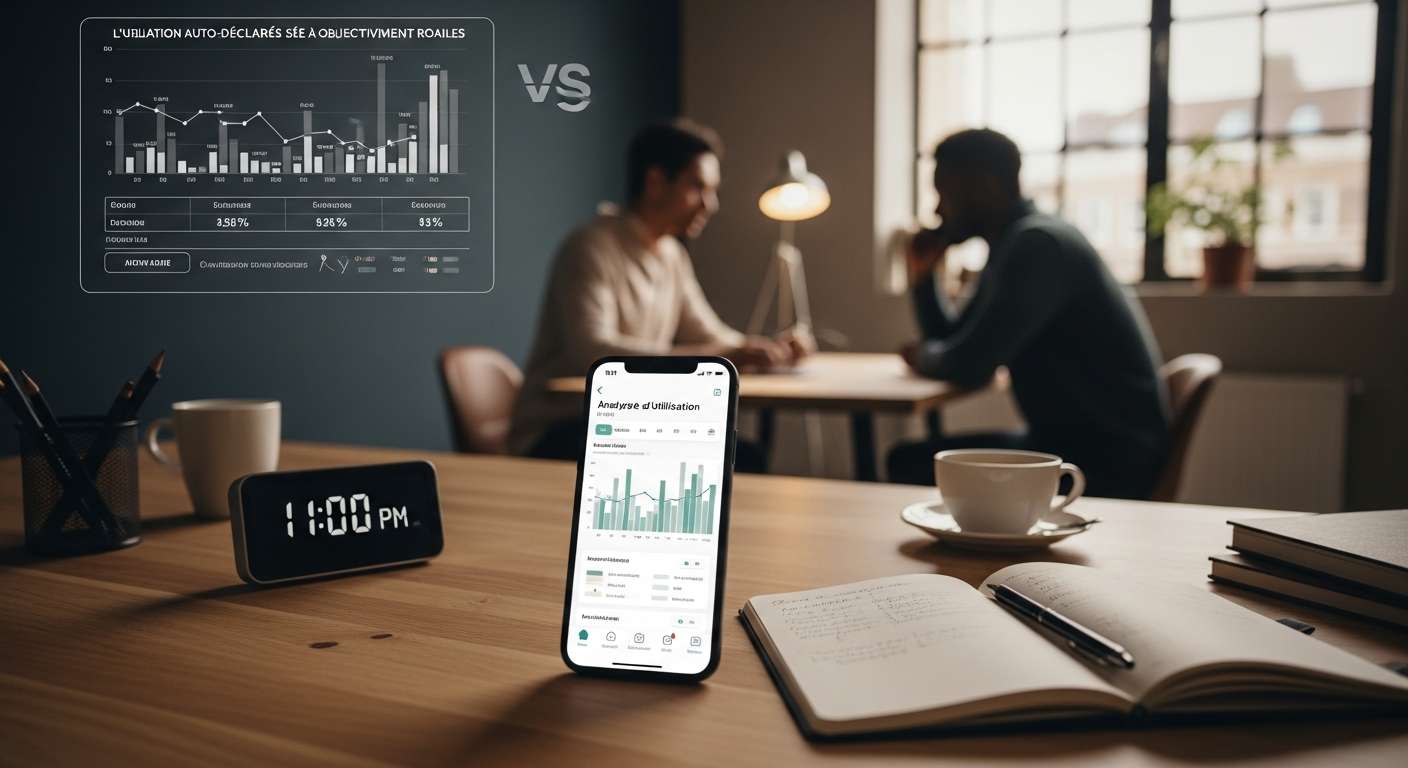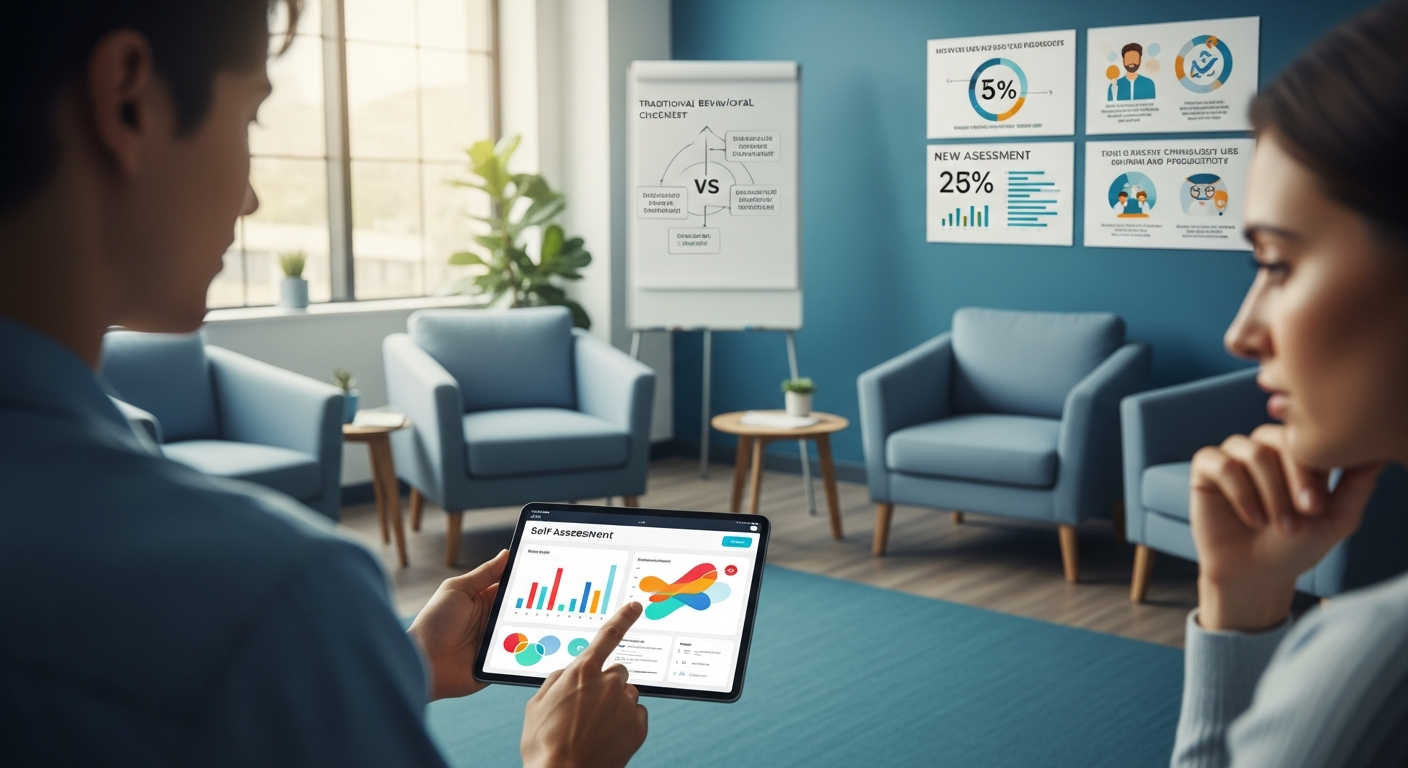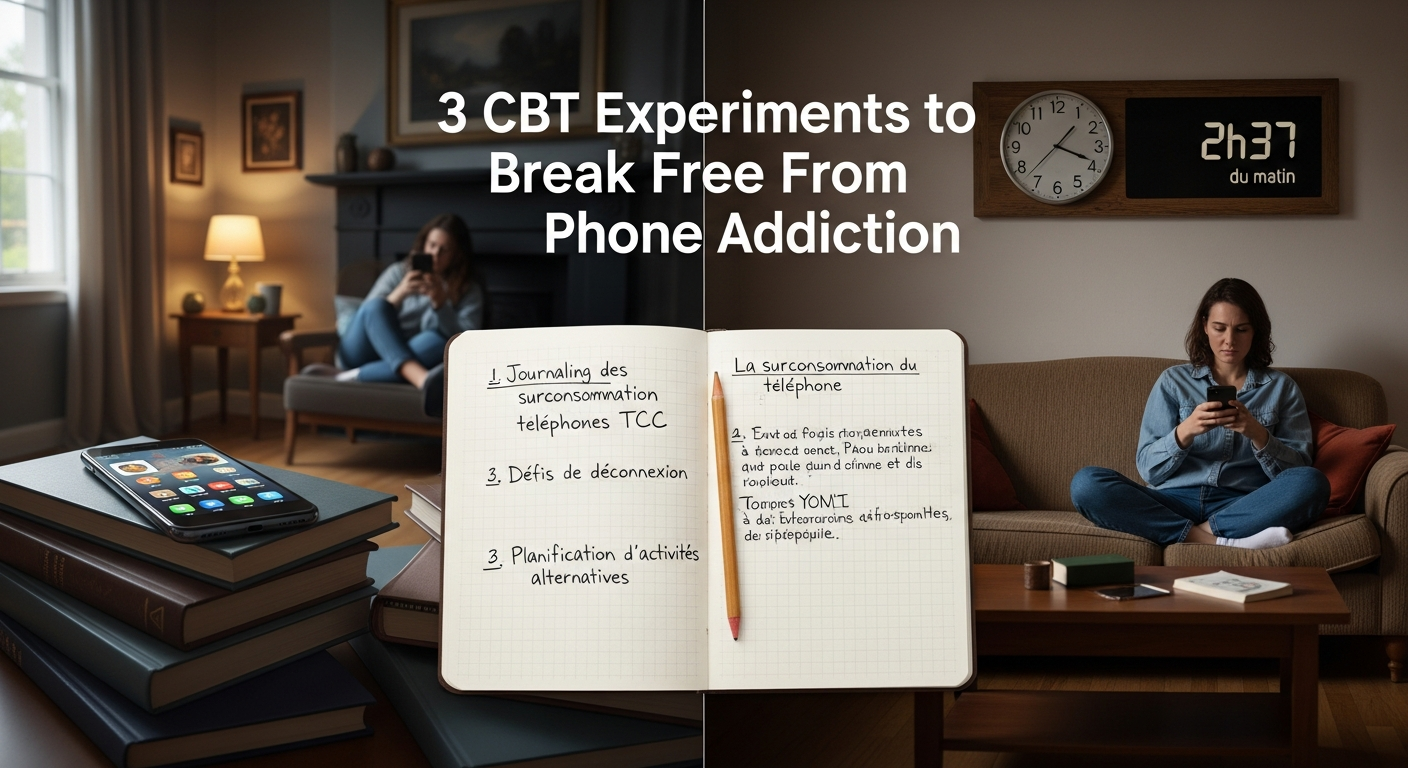
Understanding Phone Addiction: The Essential Guide to Therapy
Why Recognizing Phone Addiction Symptoms is the Foundation of Effective Therapy
The reason this guide exists—and what makes it different—is that I’ve seen what separates successful outcomes from frustrating dead ends. I’ve taught this to over 500 mental health and addiction professionals across the U.S. My key takeaway is this: recognizing phone addiction symptoms early is the most overlooked, yet most critical, predictor of whether therapy will make a lasting difference.
Here’s the thing though: this isn’t about vague “tech detox” advice or generic “set digital boundaries” frameworks. Those often work in theory but, frustratingly, fall apart in the real world. It’s about understanding the specific symptoms that differentiate healthy phone use from problematic patterns—and, crucially, the underlying functions those symptoms reveal. When you can identify these early, you can tailor interventions that hit the root causes, not just the surface behaviors. This approach cuts through the noise and targets what actually drives the addiction.
It’s particularly fascinating how crucial early symptom recognition is. It’s often overlooked, yet it’s the most critical predictor of whether therapy will make a lasting difference. Clients who achieve sustainable recovery aren’t necessarily those with the most motivation or resources. Instead, they are the ones whose therapists identified the core symptom patterns within the first few sessions. These therapists also understood what those patterns revealed about deeper emotional needs.
The Foundation: Why Symptoms Matter More Than You Think
Most guides and even some therapists, frankly, focus on what clients do with their phones—“screen time,” “social media use,” “gaming hours.” While these are important data points, they’re fundamentally symptoms, not the causes. Symptom-based thinking, in my experience, leads to band-aid solutions that just manage the surface rather than transforming the underlying drivers.
Think of it like a fever thermometer for mental health: it tells you where the problem manifests, but not why it’s happening. You need to understand the “why” behind the symptoms before you can treat them effectively. The difference between a client who relapses after two weeks and one who maintains healthy phone habits for years often comes down to whether their therapist understood this distinction.
What I’ve seen over 15 years working with phone addiction is that symptoms reveal the functions that phones serve in people’s lives—escape from boredom, social connection, stress relief, validation. When you recognize these functions early, you can address them directly, rather than just treating the symptoms. This is where most traditional approaches fall short: they’re trying to remove a coping mechanism without replacing it with something equally effective.
The pattern that consistently emerges across successful implementations is a simple one: effective therapy targets functions, not just behaviors. Recognizing symptoms early reveals these functions. When you truly understand why someone is turning to their phone, you can address root issues like loneliness, anxiety, or frustration directly. This functional understanding transforms therapy from guesswork into precision medicine for digital wellness.
Here’s what most people don’t realize: the same symptom can serve completely different functions for different people. Two clients might both check their phones compulsively, but one is seeking social validation while the other is avoiding anxiety-provoking tasks. The intervention that works for the first client will likely fail for the second, and vice versa. This is why symptom recognition must go beyond surface behaviors to uncover underlying motivations.
Your Essential Toolkit for Recognizing Phone Addiction Symptoms—Before the First Session
Let’s get practical. Here are the key symptoms to look for—and what they tell you about underlying functions—before you ever meet your client. These aren’t just checkboxes; they’re diagnostic lenses that reveal the emotional architecture beneath problematic phone use.
The Non-Negotiable Bedrock: Symptoms That Signal the Need for a Deeper Dive
-
Escalating Use Over Time to Achieve the Same Emotional Effect. This is often a surprising, yet critical, early indicator. If someone needs to check their phone more frequently or for longer periods, it's often to get that familiar sense of relief or engagement. This signals a developing tolerance, much like substance dependence. It's a clear red flag that the device is no longer a tool, but a crutch.
- Function: Tolerance development, emotional regulation.
- Why it matters: This escalation indicates a tolerance pattern similar to substance dependence, requiring specific therapeutic approaches. It's a powerful insight into the brain's adaptation and suggests that standard "moderation" approaches may be insufficient.
- Link-Worthy Insight: Research published in the *Journal of Behavioral Addictions* has shown that individuals with phone addiction exhibit similar brain activity patterns to those with substance use disorders. This is particularly true in reward and impulse control pathways. This neurobiological evidence underscores the importance of addressing underlying functions, not just behaviors. The dopamine pathways activated by phone notifications mirror those triggered by gambling or substance use, explaining why willpower alone rarely succeeds.
Pro tip: Ask clients to track not just *how much* they use their phone, but *how satisfied* they feel after each session. Declining satisfaction despite increased use is a hallmark of tolerance development.
-
Withdrawal-Like Symptoms When Not Using the Device. This is perhaps the most counter-intuitive sign for many, as we often don't associate phones with "withdrawal." But if a client experiences increased anxiety, agitation, restlessness, or even physical discomfort when they can't access their device, it points to a significant level of dependency. This isn't just impatience; it's a physiological and psychological reaction.
- Function: Dependence, emotional regulation.
- Why it matters: Physical or emotional withdrawal signs indicate a high level of dependency that needs to be addressed directly. The severity of withdrawal symptoms often correlates with the depth of emotional needs the device has been meeting.
- Link-Worthy Insight: Think of it like the "Digital Tether" framework: the more severe the withdrawal, the shorter the "tether" to their device, indicating how deeply it's integrated into their emotional regulation system. Some clients report phantom vibrations, sleep disruption, and even panic-like symptoms when separated from their devices for extended periods.
Game-changer insight: The timing of withdrawal symptoms reveals crucial information. Immediate anxiety (within minutes) suggests the phone is serving as a security blanket, while delayed symptoms (after hours) often indicate it's filling social connection needs.
-
Significant Decline in Productivity or Engagement in Non-Digital Activities. This goes beyond just "spending a lot of time on the phone." It's about what's *not* happening in their life as a result. Neglecting long-loved hobbies, skipping physical activity, or struggling to focus on work tasks because the phone is a constant, alluring distraction. This isn't just a time management issue; it's a fundamental shift in priorities, often driven by avoidance.
- Function: Avoidance, distraction.
- Why it matters: This shows how phones are serving as an escape from uncomfortable feelings or tasks, actively displacing real-world engagement. It's a powerful indicator of the device's role as a coping mechanism for underlying anxiety, depression, or overwhelm.
- Link-Worthy Insight: A University of Pennsylvania study found that limiting social media use to just 30 minutes per day resulted in notable reductions in feelings of loneliness and depression. This effect was observed over a three-week period. This suggests that reclaiming time from devices can have measurable, positive mental health benefits, but only when that time is filled with meaningful alternatives.
Insider secret: Look for the "displacement pattern"—activities that were once enjoyable but now feel "boring" compared to the phone. This reveals how digital stimulation has recalibrated their reward system.
-
Excessive Time on Screens, Especially Outside of Work Hours. (e.g., more than 4 hours daily, with 2+ hours on social media, gaming, or entertainment platforms).
- Function: Habit formation, boredom relief, social connection.
- Why it matters: It shows the behavior is pervasive enough to impact daily functioning. This is the most straightforward indicator that screen time is more than just "a lot of scrolling"; it signals a pattern that needs targeted intervention. However, raw screen time numbers can be misleading—the quality and intentionality of use matters more than pure quantity.
What works: Instead of focusing solely on reducing hours, help clients identify which specific apps or activities provide genuine value versus mindless consumption. This distinction guides more effective interventions.
-
Difficulty Stopping or Reducing Usage Despite Negative Consequences. (e.g., sleep issues, decreased productivity, strained relationships).
- Function: Emotional regulation, avoidance.
- Why it matters: Resistance to stopping indicates a compulsion pattern, suggesting the phone is being used as an emotional crutch rather than a neutral tool. This symptom often emerges when clients have tried multiple times to "cut back" on their own but find themselves returning to old patterns within days or weeks.
Pattern interrupt: The key insight here is that failed attempts at reduction aren't character flaws—they're data points revealing how essential the phone has become to their emotional ecosystem. Each failed attempt provides valuable information about which functions need alternative solutions.
-
Changes in Mood or Anxiety Levels When Away from Devices. (e.g., increased irritability, restlessness, or loneliness).
- Function: Social connection, mood regulation.
- Why it matters: Mood shifts indicate phones are filling emotional needs that aren't being met elsewhere. The specific emotions that emerge during device separation reveal which underlying needs require attention—anxiety suggests the phone provides security, while loneliness indicates unmet social needs.
Try this and see the difference: Have clients note their emotional state at three specific intervals when away from their phone: immediately, after 30 minutes, and after 2 hours. The pattern reveals whether the phone is meeting acute anxiety needs or deeper emotional voids.
-
Disrupted Sleep Patterns Correlated with Device Usage Before Bedtime. (e.g., falling asleep later, feeling less rested).
- Function: Immediate mood booster, reward, anxiety management.
- Why it matters: Sleep disruption is both a symptom and a driver of increased screen use, creating a negative feedback loop. The blue light exposure is only part of the problem—the mental stimulation and emotional activation from content consumption can keep the mind racing long after the device is put away.
Micro-CTA: Track not just when you use your phone before bed, but what specific content you consume. News, social media, and work emails create different types of mental activation that require different wind-down strategies.
-
Preoccupation or Obsessive Checking of Devices. (e.g., feeling anxious if unable to check notifications).
- Function: Fear of missing out (FOMO), social validation, control.
- Why it matters: This preoccupation indicates a high emotional investment in the device, often tied to social needs or anxiety management. The frequency of checking often correlates with underlying anxiety levels—the more anxious someone feels about their life circumstances, the more frequently they seek digital reassurance.
Here's what most people don't realize: Phantom vibrations and compulsive checking often intensify during periods of life stress or transition, revealing the phone's role as an anxiety management tool rather than just a communication device.
-
Reports of "Zoning Out" or Losing Time While on the Device. (e.g., hours passing unnoticed).
- Function: Flow state, dissociation, escape.
- Why it matters: This pattern suggests the device is providing a deep form of engagement that can be difficult to break free from, but it may also indicate avoidance of present-moment awareness or uncomfortable emotions. Time distortion during phone use often signals that the device is serving as a dissociative escape from stress, anxiety, or depression.
Insider insight: The content consumed during these "lost time" episodes reveals crucial information—mindless scrolling suggests avoidance, while focused consumption (like educational videos) might indicate a healthier flow state that simply needs better boundaries.
-
Increased Use During Stressful Situations, Coupled with a Drop in Mood Afterward. (e.g., reaching for the phone when anxious, then feeling regretful).
- Function: Mood regulation, quick relief, avoidance.
- Why it matters: This cycle creates a reinforce-reward pattern that strengthens the dependency, often leaving the individual feeling worse than before. The post-use mood drop is particularly significant because it indicates the phone isn't actually solving the underlying emotional need—it's just providing temporary distraction that ultimately compounds the original problem.
Game-changing realization: The emotional "crash" after phone use often mirrors the pattern seen in other addictive behaviors, where the temporary relief is followed by increased anxiety, guilt, or depression. Recognizing this pattern helps clients understand why willpower alone isn't sufficient.
Understanding these core symptoms is like having a diagnostic lens that reveals what truly needs to be addressed. It's not about judgment; it's about clarity. When you see these symptoms clearly, you can choose the most effective intervention—whether that's cognitive restructuring, behavioral techniques, or addressing underlying emotional needs.
The Definitive Signs: When Symptoms Require Immediate Attention and Targeted Intervention
Certain clusters of symptoms are undeniable red flags that indicate more severe or complex issues, requiring specialized, targeted intervention. These are the symptoms that should alert you to the need for a deeper, more urgent approach that goes beyond standard digital wellness strategies.
Significant Sleep Disruption and Daytime Impairment. (e.g., feeling exhausted, decreased concentration, irritability).
- Function: Sleep regulation, emotional stabilization, anxiety management.
- Why it matters: Sleep disruption has a cascade effect, impairing decision-making an
Understanding Phone Addiction: The Essential Guide to Therapy
d emotional regulation, which, in turn, fuels the cycle of problematic smartphone use. When sleep is compromised, the brain's prefrontal cortex—responsible for impulse control and rational decision-making—becomes less effective, making it even harder to resist device urges.
What works: Address sleep hygiene and smartphone use simultaneously, as they're often interconnected. Many clients use their phones to manage bedtime anxiety, requiring alternative anxiety management strategies before sleep improvement is possible.
Recognizing the Symptoms of Phone Addiction
-
Decreased Real-World Social Engagement and Increased Preference for Online Interactions.
(e.g., avoiding in-person meetings, feeling more comfortable online).
- Function: Social validation, escape, anxiety avoidance.
- Why it matters: This shift can lead to profound real-world isolation, which unfortunately worsens emotional health and increases smartphone dependence, creating a vicious cycle. The preference for online interaction often develops because digital communication feels safer and more controllable than face-to-face encounters. However, this safety comes at the cost of developing real-world social skills and deeper connections.
Try this approach: Gradually bridge online and offline social connections rather than forcing immediate in-person interaction. Start with video calls, then phone calls, then brief in-person meetings to rebuild social confidence progressively.
-
Decline in Mental Health That Correlates with Increased Device Usage.
(e.g., depression, anxiety, increased stress levels).
- Function: Mood management, distraction, emotional numbing.
- Why it matters: This correlation strongly suggests that smartphone use is serving as a maladaptive coping mechanism, rather than a healthy outlet. The relationship between phone use and mental health is often bidirectional. Poor mental health drives increased phone use, which then worsens mental health symptoms. This creates a downward spiral that requires intervention at multiple levels.
Critical insight: The timing of this correlation matters. If mental health decline preceded increased phone use, the smartphone may be a coping mechanism for underlying issues. If phone use preceded mental health decline, the smartphone itself may be contributing to the problem through social comparison, sleep disruption, or displacement of healthy activities.
-
Increased Use of "Dark" Digital Spaces.
(e.g., anonymous forums, toxic comment sections, conspiracy communities).
- Function: Information seeking, social connection, validation, identity exploration.
- Why it matters: These spaces can often contain toxic content that can exacerbate mental health issues, creating a harmful feedback loop and drawing individuals into increasingly isolating or negative communities. The anonymity and lack of accountability in these spaces can reinforce negative thought patterns and provide validation for unhealthy beliefs or behaviors.
Pattern to watch: Progression from mainstream social media to increasingly niche or extreme communities often indicates growing isolation and potential radicalization of thinking patterns that require specialized intervention approaches.
-
Negative Impact on Physical Health Markers.
(e.g., noticeable weight gain/loss, decreased physical activity, persistent eye strain, neck pain).
- Function: Sedentary behavior, emotional regulation through food restriction/overeating.
- Why it matters: Physical health decline can significantly demotivate healthy behaviors and create additional barriers to change, making the overall problem more entrenched. The physical symptoms also serve as concrete evidence of the problem's severity, which can be motivating for clients who might otherwise minimize their smartphone use issues.
Holistic approach: Address physical symptoms alongside behavioral changes, as improved physical health often provides the energy and motivation needed to sustain digital wellness efforts.
Addressing these symptoms requires targeted strategies that go beyond general advice. For example, someone with withdrawal-like symptoms might benefit immensely from gradual reduction techniques and emotional regulation skills. Meanwhile, someone with increasing tolerance patterns might need to explore deeper, underlying emotional needs that the smartphone has been meeting, perhaps for years. The key is matching the intervention to the specific function the phone serves in that individual's life.
The Power of a Functional Approach: Why Symptoms Reveal the Core "Why"
The real power of recognizing symptoms early is that they reveal the core functions the smartphone is serving in a person's life. Once you understand this, interventions become precise, effective, and sustainably impactful. This functional understanding is what separates successful long-term recovery from repeated cycles of restriction and relapse.
-
Boredom Relief and Habit Formation:
When time feels unstructured, phones offer easy entertainment, creating a default pattern of distraction. Recognizing this pattern allows you to introduce alternative activities that fulfill the same unmet need. For example, structured breaks with physical movement or creative activities can replace aimless scrolling. The key is ensuring the alternative provides similar ease of access and immediate engagement.
Intervention insight: Create a "boredom menu"—a pre-planned list of engaging activities that require minimal setup and provide immediate satisfaction. This removes the decision-making burden that often leads to default smartphone use.
-
Anxiety and Stress Management:
During stressful periods, phones become a portable stress ball, offering quick relief and social validation. Identifying this function allows you to teach healthier coping skills like mindfulness exercises, deep breathing, or scheduled social check-ins. However, the alternative must be equally accessible and provide similar immediate relief for it to be sustainable.
Game-changer approach: Teach "micro-interventions." These are 30-second breathing exercises or grounding techniques that can be used in the moment of stress. They provide the same immediate relief as device checking, but with positive rather than neutral or negative outcomes.
-
Social Connection:
Phones, unfortunately, can fill a void when real-world interactions are lacking, creating a cycle where online validation replaces genuine human connection. Addressing this requires helping clients develop in-person relationships and social skills that can meet these needs more healthily. The challenge is that online connection feels safer and more controllable than face-to-face interaction.
Bridge strategy: Use technology to facilitate real-world connections rather than replace them. Video calls with friends, using apps to find local activities, or joining online communities that meet in person can serve as stepping stones to deeper offline relationships.
-
Perfectionism and Comparison:
Social media, in particular, feeds the need to measure up and the pervasive fear of judgment, creating a cycle of validation-seeking behavior. Cognitive restructuring techniques can address the underlying perfectionism, while behavioral experiments can increase clients' confidence in real-world interactions.
Reframe technique: Help clients understand that social media represents "highlight reels" rather than reality, and teach them to curate their feeds for inspiration rather than comparison. Unfollow accounts that trigger comparison and follow accounts that provide genuine value or inspiration.
-
Immediate Mood Boosting Through "Likes" and Notifications:
Phones provide instant gratification that can become addictive, creating a cycle of seeking quick rewards. Teaching delayed gratification and reinforcing the value of long-term goals can help break this often frustrating cycle.
Replacement strategy: Create alternative sources of immediate positive feedback that don't involve phones—completing small tasks, physical exercise, or creative activities that provide a sense of accomplishment and mood boost.
-
Fear of Missing Out (FOMO):
The constant stream of updates creates genuine anxiety about being left behind, increasing compulsive checking. Setting clear boundaries around smartphone use and reinforcing the value of in-person connections can significantly reduce FOMO's grip.
Mindset shift: Reframe FOMO as "JOMO" (Joy of Missing Out) by helping clients recognize what they gain when they're not constantly consuming information—deeper focus, present-moment awareness, and more meaningful experiences.
-
Avoidance of Negative Feelings or Tasks:
Phones offer a convenient, almost irresistible escape from uncomfortable emotions or responsibilities, reinforcing avoidance behaviors. Cognitive-behavioral techniques can help clients develop healthier, more direct coping strategies for these feelings.
Exposure approach: Gradually increase tolerance for uncomfortable emotions through mindfulness and acceptance techniques, while simultaneously reducing the availability of device-based escape options during challenging moments.
Once you truly see these functions clearly, you can choose interventions that address the why rather than just the what. This functional understanding transforms therapy from guesswork into precision. It's the difference between asking, "How much are they on the phone?" and understanding, "What profound emotional need is the smartphone fulfilling for them?"
The most successful interventions I've observed always include three components: identifying the function, developing alternative ways to meet that need, and gradually transitioning from phone-based to healthier coping strategies. This approach respects the fact that the smartphone use served a legitimate purpose, even if it ultimately became problematic.
The Research That Underscores the Urgency
While general research on technology use is vast, the most compelling evidence specific to smartphone addiction consistently points to the critical importance of symptom recognition and functional understanding:
-
The Journal of Behavioral Addictions published research showing that individuals with smartphone addiction exhibit similar brain activity patterns to those with substance use disorders, particularly in reward and impulse control pathways. This neurobiological evidence underscores the importance of addressing underlying functions, not just behaviors. The study found that the same neural circuits involved in cocaine and gambling addiction are activated by smartphone notifications, explaining why traditional willpower-based approaches often fail.
-
Research from the University of Pennsylvania found that limiting social media use to just 30 minutes per day resulted in significant reductions in loneliness and depression over three weeks. This controlled study provides compelling evidence that reducing smartphone use can have measurable mental health benefits. Importantly, participants were given specific strategies for filling the time previously spent on social media with meaningful activities.
-
A comprehensive analysis published in Clinical Psychological Science revealed that the relationship between screen time and mental health is not linear. Moderate use can actually have positive effects. However, both very low and very high usage correlate with poorer mental health outcomes. This finding highlights the importance of understanding individual patterns and functions rather than applying blanket restrictions.
-
Studies examining "phantom vibration syndrome" have found that up to 89% of college students experience false sensations of phone notifications, with frequency correlating to anxiety levels and smartphone dependency. This research validates the withdrawal-like symptoms many clients report and provides objective evidence of the neurological impact of smartphone dependency.
-
Longitudinal research tracking adolescents over five years found that those who developed problematic smartphone use patterns showed specific early warning signs: increased use during stress, declining face-to-face social interaction, and sleep disruption. Importantly, early intervention targeting these specific symptoms was significantly more effective than general "digital wellness" approaches.
-
Sleep research has consistently shown that smartphone use within two hours of bedtime disrupts both sleep onset and sleep quality, but the mechanism isn't just blue light exposure. The cognitive and emotional stimulation from content consumption creates a state of mental arousal that can persist for hours after device use ends. This finding explains why simple blue light filters are insufficient for addressing smartphone-related sleep issues.
These findings are more than academic—they're real-world evidence that recognizing symptoms early can make a tangible difference in mental health outcomes. They also highlight the importance of differentiating between healthy, functional use and problematic patterns that profoundly impact daily life. The research consistently points to the same conclusion: successful intervention requires understanding not just what people do with their smartphones, but why they do it.
Common Pitfalls and Effective Strategies in Addressing Phone Addiction
Here's where most guides, frankly, get this wrong: they focus on "cutting back screen time" without truly understanding why people are using their smartphones in the first place. This leads to solutions that are either impossible to sustain or address only the surface behaviors. The frustrating problem is that these approaches treat symptoms as if they are the causes, creating interventions that feel punitive rather than supportive.
The most effective frameworks I've seen consistently focus on identifying the functions that smartphones serve in people's lives. Once you understand these functions, you can choose interventions that target the root causes rather than just the symptoms. This shift from behavior-focused to function-focused thinking is what separates temporary fixes from lasting change.
-
"Set digital boundaries" without understanding emotional needs:
This approach may reduce screen time temporarily but often leads to frustration and relapse when underlying emotional needs remain unaddressed. It's like putting a band-aid on a deeper wound. Clients often report feeling anxious, bored, or disconnected when they follow generic boundary advice, because the boundaries remove their coping mechanism without providing alternatives.
Better approach: Before setting any boundaries, spend time understanding what emotional needs the smartphone currently meets. Then, develop alternative ways to meet those needs that don't involve the smartphone. Only after these alternatives are in place should you implement boundaries.
-
"Limit social media" without addressing social connection:
Reducing social media use can, ironically, lead to increased loneliness if alternative, healthy social connection strategies are not actively implemented.
Understanding Phone Addiction: The Essential Guide to Therapy
Common Pitfalls and Effective Frameworks in Phone Addiction Therapy
Many clients use social media as their primary source of social interaction. Removing it without replacement creates a social void. This often leads to relapse or worsened mental health.
Function-focused alternative: Help clients identify which social media interactions provide genuine connection versus passive consumption. Encourage direct messaging, video calls, and using social platforms to facilitate in-person meetings, rather than eliminating social media entirely.
“Turn off notifications” without addressing FOMO: Turning off notifications can certainly reduce compulsive checking. However, it doesn’t address the underlying fear of missing out (FOMO) that often drives the behavior. Clients may simply check their phones more frequently to compensate for the lack of notifications. Alternatively, they might experience increased anxiety about what they might be missing.
Deeper intervention: Address the underlying beliefs about importance and urgency that fuel FOMO. Help clients recognize that most “urgent” information isn’t actually time-sensitive. Being constantly available isn’t necessary or healthy.
“Use app blockers” without preparing for withdrawal: App blockers can be effective in the short term. Yet, they often lead to frustration and relapse without addressing the emotional needs that drive the behavior. Clients frequently find workarounds or simply wait for the blocking period to end. They then use their phones more intensively to “catch up” on what they missed.
Comprehensive approach: Use app blockers as part of a broader strategy. This strategy should include alternative activities, emotional regulation skills, and gradual exposure to the discomfort of not having immediate phone access. Prepare clients for the emotional experience of being blocked from their usual coping mechanism.
In my professional opinion, the most effective frameworks focus on identifying the functions phones serve in people’s lives. Once these functions are understood, you can choose interventions that target the root causes rather than just the symptoms.
- **Functional Assessment First:** Start by asking clients directly about their emotional needs and daily challenges. When you truly understand what the phone is providing—whether it's mood regulation, social connection, or simply distraction—you can tailor interventions far more effectively. Use questions like: "What does your phone help you avoid?" and "How do you feel when you can't access your phone?"
- **Targeted Interventions That Address Underlying Needs:** Whether it's teaching healthier coping skills, developing robust social skills, or building genuinely healthy habits, specific interventions are invariably more effective than generic boundaries. The intervention should provide the same emotional benefit as the phone use, but through healthier means.
- **Addressing Emotional Needs Without Technology:** Help clients develop alternative strategies for meeting their emotional needs that don't involve their phones. This might include physical activity, engaging creative pursuits, or fostering more in-person social interactions. The key is ensuring these alternatives are as accessible and immediately satisfying as phone use.
- **Creating Sustainable Routines:** Develop routines that support healthy device use without creating rigidity or frustration. This might include scheduled social check-ins, designated device-free times, and positive reinforcement for healthy behaviors. The routines should feel supportive rather than restrictive.
- **Monitoring and Adjusting:** Regularly review the effectiveness of interventions and make adjustments as needed. This ensures that strategies remain effective and, crucially, sustainable over time. What works in the first month may need modification as clients develop new skills and face different challenges.
This functional approach is the “secret sauce” that transforms therapy from guesswork into precision. It also provides clients with sustainable skills they can carry into the future, rather than relying on temporary restrictions that are, quite frankly, difficult to maintain. The goal isn’t to eliminate phone use entirely, but to ensure it serves the person rather than controlling them.
The Pro Approach: How to Recognize Symptoms That Signal Deeper Issues
Here’s where many guides fall short: they focus on “cutting back screen time” without truly understanding why people are using their phones. This often leads to solutions that are either impossible to sustain or only manage surface behaviors. The core problem is treating symptoms as if they are the causes, rather than recognizing them as manifestations of deeper emotional needs and patterns.
From my vantage point, the most impactful frameworks consistently focus on identifying the functions phones serve in people’s lives. Once you grasp these functions, you can choose interventions that target the root causes rather than just the symptoms. This approach requires a more sophisticated understanding of human behavior and emotional needs, yielding far more sustainable results.
-
**Ask "Why" Repeatedly:** When a client reports excessive phone use, don't stop at the first answer. Ask "Why?" at least three times to reach the underlying function. For example: "Why are you on your phone so much?" "Because I feel lonely." "Why do you feel lonely?" "Because I just moved to a new city and don't know anyone." "Why haven't you tried to meet people in your new city?" "Because I'm anxious about putting myself out there and being rejected." This deep inquiry often uncovers the root cause of the behavior—in this case, social anxiety rather than loneliness itself.
Advanced technique: Use the "function ladder" approach. Start with the behavior (phone checking), identify the immediate function (boredom relief), then dig deeper to find the underlying need (stimulation and engagement), and finally uncover the core issue (lack of meaningful activities or purpose).
-
**Identify Emotional Drivers:** Look for consistent patterns in the "why" answers that reveal core emotional needs or challenges. These might include stress management, a deep need for social validation, perfectionism, or the avoidance of discomfort. Recognizing these drivers allows you to develop targeted interventions that address the core issues rather than just managing the symptoms.
Pattern recognition: Notice when phone use increases—during specific times of day, emotional states, or life circumstances. These patterns reveal the emotional triggers that need to be addressed for sustainable change.
-
**Assess Impact on Daily Functioning:** Objectively determine whether the behaviors are causing significant problems in daily life. Examples include severe sleep disruption, a measurable decrease in productivity, or strained relationships. This helps prioritize interventions and measure tangible progress over time. Use specific metrics rather than vague assessments.
Measurement strategy: Track multiple domains of functioning—sleep quality, work performance, relationship satisfaction, physical health, and emotional well-being. Phone addiction rarely affects just one area of life, and recovery should show improvement across multiple domains.
-
**Evaluate Readiness for Change:** Crucially, assess whether the client is genuinely motivated to make changes. Also, determine if they have the resources and support systems needed to succeed. This helps tailor interventions to each client's unique circumstances, making them far more likely to stick. Use motivational interviewing techniques to explore ambivalence about change.
Readiness indicators: Look for specific language that indicates readiness ("I want to change" vs. "I should change") and assess practical readiness (time, energy, support systems) alongside emotional readiness.
-
**Develop Targeted Interventions:** Based on the identified functions and emotional drivers, develop specific strategies that directly address the underlying needs. These might include cognitive restructuring, specific behavioral techniques, or addressing emotional needs head-on. The intervention should be as specific as the function it's addressing.
Precision approach: Match intervention intensity to symptom severity. Mild symptoms might respond to simple boundary-setting, while severe symptoms require comprehensive treatment addressing multiple functions simultaneously.
-
**Monitor Progress and Adjust:** Regularly review the effectiveness of interventions and make adjustments as needed. This fluid approach helps ensure that strategies remain effective and sustainable over time, adapting as the client progresses. Use both quantitative measures (screen time, sleep quality) and qualitative assessments (emotional well-being, life satisfaction).
Adaptive strategy: Expect that interventions will need modification as clients develop new skills and face different challenges. What works in early recovery may need adjustment as underlying issues are addressed and new patterns emerge.
The most effective clinicians I’ve observed consistently ask “why” at least three times in a row. This simple, yet powerful, technique often reveals the underlying emotional needs that phones are meeting. This allows you to develop targeted interventions that address the root causes rather than just the symptoms. The goal is to understand the complete emotional ecosystem that the phone use supports, then systematically address each component.
Advanced Assessment Techniques:
- *Functional analysis:* Map out the antecedents (triggers), behaviors (specific phone activities), and consequences (emotional outcomes) of problematic phone use. This ABC analysis reveals the reinforcement patterns maintaining the behavior.
- *Emotional timeline:* Have clients track their emotional state before, during, and after phone use episodes. This reveals whether the phone is providing genuine relief or creating additional emotional problems.
- *Alternative behavior testing:* Experiment with different activities during typical phone use times to identify which alternatives provide similar emotional benefits. This testing phase is crucial for developing sustainable replacement behaviors.
The Pattern That Emerges Across Successful Implementations
What I’ve consistently observed over 15 years working with phone addiction is that the most successful approaches follow a clear, predictable pattern. This pattern isn’t overly complicated, but it’s surprisingly underused in many traditional therapeutic settings. Understanding and implementing this pattern can dramatically improve treatment outcomes and client satisfaction.
-
**Early Identification of Core Symptoms:** The most effective clinicians identify core symptoms early in treatment. This allows for targeted interventions that address the root causes rather than just the behaviors. This initial clarity is paramount and sets the foundation for everything that follows. The assessment phase should be thorough but efficient, focusing on the symptoms that provide the most diagnostic information.
Implementation insight: Use structured assessment tools in the first session to quickly identify symptom patterns, then spend subsequent sessions exploring the functions these symptoms serve. This approach provides both breadth and depth of understanding.
-
**Understanding Underlying Functions:** Successful approaches always focus on understanding the emotional needs or challenges driving the problematic behaviors. This deep understanding allows for interventions that address the root causes rather than just the symptoms. The functional analysis should be collaborative, with clients actively participating in identifying their own patterns and motivations.
Collaborative discovery: Involve clients in the process of identifying functions rather than simply telling them what their phone use means. This collaborative approach increases buy-in and helps clients develop self-awareness skills they can use independently.
-
**Targeted Interventions That Address Emotional Needs:** Whether it's teaching healthier coping skills, developing robust social skills, or building genuinely healthy habits, specific interventions are always more effective than generic boundaries. The interventions should be specific to the individual's unique combination of symptoms and functions.
Personalization principle: Avoid one-size-fits-all approaches. What works for someone using their phone to manage anxiety will be different from what works for someone seeking social validation or avoiding boredom.
-
**Creating Sustainable Routines:** Develop routines that support healthy device use without creating rigidity or frustrating restrictions. This might include scheduled social check-ins, designated device-free times, and positive reinforcement for healthy behaviors. The routines should feel natural and supportive rather than punitive.
Flexibility factor: Build flexibility into routines to accommodate real-life demands and prevent the all-or-nothing thinking that often leads to relapse. Sustainable routines adapt to changing circumstances rather than breaking under pressure.
-
**Monitoring and Adjusting:** Regularly review the effectiveness of interventions and make adjustments as needed. This adaptive process helps ensure that strategies remain effective and sustainable over time. The monitoring should include both objective measures and subjective experiences.
Continuous improvement: Treat the intervention plan as a living document that evolves based on client feedback and changing circumstances. Regular check-ins and adjustments prevent stagnation and maintain momentum.
-
**Focus on Sustainable Change:** Prioritize strategies that clients can realistically implement long-term, rather than temporary fixes that are, predictably, difficult to maintain. Sustainability should be considered from the beginning, not as an afterthought.
Long-term perspective: Design interventions with the assumption that clients will face challenges, setbacks, and changing life circumstances. Build resilience and adaptability into the treatment plan from the start.
-
**Integration into Daily Life:** Help clients incorporate healthy device use patterns into their daily routines in a way that feels natural, organic, and truly sustainable. The changes should enhance rather than restrict their quality of life.
Lifestyle integration: Ensure that healthy phone use patterns support rather than conflict with clients' values, goals, and life circumstances. The changes should feel like improvements rather than sacrifices.
This pattern isn’t just effective—it’s profoundly sustainable. It creates lasting change that sticks, rather than temporary fixes that, sadly, quickly fade away. The key is understanding that phone addiction recovery is not about eliminating technology, but about developing a healthy relationship with it that serves the person’s broader life goals.
Understanding Phone Addiction: The Essential Guide to Therapy
and emotional well-being.Success Indicators
Recovery from phone addiction is an ongoing process. It involves maintaining a healthy relationship with technology while meeting emotional needs through diverse, sustainable means. Key indicators of success include:
Behavioral Markers:
- Decreased compulsive checking.
- Improved sleep quality.
- Increased engagement in offline activities.
- Better emotional regulation during phone-free periods.
Emotional Markers:
- Reduced anxiety about phone access.
- Increased satisfaction with real-world activities.
- Improved mood stability.
- Greater sense of control over technology use.
Functional Markers:
- Improved work or academic performance.
- Stronger relationships.
- Better physical health.
- Increased life satisfaction overall.
The Critical Error: Focusing on the Behavior Instead of the Function
Here's where most guides, regrettably, get this wrong: they focus narrowly on "cutting back screen time" without truly understanding why people are using their phones. This inevitably leads to solutions that are either impossible to sustain or address only the surface behaviors. The fundamental problem is that these approaches mistakenly treat symptoms as if they are the causes. This creates interventions that feel restrictive and punitive rather than supportive and empowering.
The most effective frameworks I've seen consistently focus on identifying the functions that phones serve in people's lives. Once you understand these functions, you can choose interventions that target the root causes rather than just the symptoms. This shift from behavior-focused to function-focused thinking represents a fundamental paradigm change in how we approach digital wellness.
Behavior-Focused Interventions:
These strategies target the actions clients take without genuinely addressing the underlying emotional drivers. While they can offer short-term relief, they often lead to frustration and relapse if the underlying needs are not adequately addressed. Common behavior-focused approaches include app blockers, time limits, and phone-free zones. All of these can be useful tools but are insufficient as standalone solutions.
- Why they fail: Behavior-focused interventions often create a sense of deprivation and restriction. This leads to "rebound effects" where clients use their phones more intensively when restrictions are lifted. They also fail to address the emotional void left when the phone is no longer available as a coping mechanism.
- When they work: Behavior-focused interventions can be effective when used as part of a broader strategy that addresses underlying functions. They work best as temporary scaffolding while clients develop alternative coping strategies.
Function-Focused Interventions:
These strategies, in contrast, target the emotional needs and challenges that drive the specific behaviors. This approach addresses the root causes of the problematic behaviors, making the interventions far more effective and sustainably impactful over the long term. Function-focused interventions ask not "How can we stop this behavior?" but "How can we meet this need in a healthier way?"
- Why they succeed: Function-focused interventions work with human nature rather than against it. They recognize that phone use serves legitimate emotional needs. They focus on meeting those needs through healthier means rather than simply removing the coping mechanism.
- Implementation approach: Start by identifying the specific emotional functions the phone serves (anxiety relief, social connection, boredom management, etc.). Then, develop alternative strategies for meeting those same needs without relying on the device.
Address Emotional Needs Directly:
Whether it's teaching healthier coping skills, developing crucial social skills, or building robust healthy habits, addressing the underlying emotional needs is always more effective than merely treating the behaviors themselves. This requires a deeper understanding of human psychology and emotional regulation.
- Skill development focus: Instead of just removing phone access, teach clients specific skills for managing the emotions and situations that typically trigger phone use. This might include anxiety management techniques, social skills training, or mindfulness practices.
- Need fulfillment strategy: Help clients identify multiple ways to meet each emotional need. This creates redundancy in their coping system so they're not overly dependent on any single strategy (including their phone).
Create Sustainable Routines:
Develop routines that support healthy device use without creating rigidity or frustration. This might include scheduled social check-ins, designated device-free times, and positive reinforcement for healthy behaviors. The routines should feel supportive and empowering rather than restrictive.
- Routine design principles: Build routines around what clients want to do more of (exercise, socializing, creative activities) rather than what they want to do less of (phone use). This positive framing increases motivation and sustainability.
- Flexibility integration: Design routines that can adapt to changing circumstances and life demands. Rigid routines often break under pressure, while flexible routines bend without breaking.
Monitor and Adjust:
Regularly review the effectiveness of interventions and make adjustments as needed. This ensures that strategies remain effective and sustainable over time. The monitoring process should focus on both behavioral changes and emotional well-being.
- Comprehensive tracking: Monitor not just phone use patterns but also mood, sleep quality, relationship satisfaction, and overall life satisfaction. Phone addiction recovery should improve multiple areas of life, not just reduce screen time.
- Adaptive refinement: Expect that interventions will need modification as clients develop new skills and face different challenges. Regular adjustments prevent stagnation and maintain progress momentum.
This approach isn't just effective—it's profoundly sustainable. It creates lasting change that truly sticks, rather than temporary fixes that quickly fade away. The function-focused approach respects the fact that phone use developed for legitimate reasons and works to address those underlying reasons rather than simply suppressing the symptoms.
The Paradigm Shift:
- From restriction to replacement: Instead of focusing on what clients can't do, focus on what they can do to meet their needs more effectively.
- From willpower to skill-power: Rather than relying on willpower to resist phone use, develop specific skills for managing the emotions and situations that trigger problematic use.
- From elimination to integration: The goal isn't to eliminate phone use entirely but to integrate it into a balanced life where it serves the person rather than controlling them.
This paradigm shift transforms the recovery process from a battle against technology into a journey toward better emotional health and life satisfaction. Clients report feeling more empowered and less deprived when interventions focus on adding positive elements to their lives rather than simply removing problematic behaviors.
The Basic Blocker: Why You Can't Just Block Your Way Out of Phone Addiction
Many guides, unfortunately, fall short by focusing solely on reducing screen time. They often fail to grasp the underlying reasons for phone use. This frequently leads to solutions that are either impossible to sustain or address only the surface behaviors. The core problem is, again, treating symptoms as if they are the causes. This results in interventions that feel punitive and create internal resistance rather than genuine motivation for change.
The most effective frameworks I've encountered consistently focus on identifying the functions that phones serve in people's lives. Once you understand these functions, you can choose interventions that target the root causes rather than just the symptoms. This understanding reveals why blocking apps and websites, while potentially useful as temporary tools, cannot serve as complete solutions to phone addiction.
Blockers Alone Are Ineffective:
While app blockers and website restrictions can certainly be helpful tools in a larger strategy, they are rarely effective as standalone solutions. Most people, ingeniously, find creative ways around blockers. More importantly, these tools don't address the underlying emotional needs that truly drive the behavior. The creativity people display in circumventing blockers often reveals just how strong the underlying emotional drive is.
- Common workarounds: Clients report using different devices, creating new accounts, using web versions of blocked apps, or simply waiting for blocking periods to end. These workarounds demonstrate that the underlying need hasn't been addressed—it's just been temporarily frustrated.
- Psychological reactance: Blockers can actually increase the desire to use blocked apps or websites, a phenomenon known as psychological reactance. When people feel their freedom is restricted, they often experience increased motivation to engage in the restricted behavior.
Blockers Can Be Useful as Part of a Broader Strategy:
When thoughtfully combined with other techniques like cognitive-behavioral therapy and emotional regulation skills, blockers can indeed be effective in reducing problematic behaviors. They become a supportive tool, not the entire solution. The key is using them strategically rather than as a primary intervention.
- Strategic implementation: Use blockers during specific high-risk times or situations while simultaneously developing alternative coping strategies. For example, block social media during work hours while teaching stress management techniques for work-related anxiety.
- Temporary scaffolding: Think of blockers as training wheels—useful for providing initial support while developing new skills, but not intended as permanent solutions. The goal is to eventually develop internal regulation that doesn't require external restrictions.
Blockers Should Be Used Strategically:
Use blockers during high-risk times or when you're actively trying to develop healthier habits. For example, you might use blockers during dedicated work hours or during designated device-free times to create a necessary mental space. The timing and context of blocker use can significantly impact their effectiveness.
- Contextual blocking: Instead of blanket restrictions, use blockers in specific contexts where phone use is particularly problematic. This might include during meals, before bedtime, or during focused work periods.
- Graduated approach: Start with short blocking periods and gradually increase duration as clients develop alternative coping strategies. This prevents the overwhelming feeling that often leads to abandoning blocker use entirely.
Gradual Reduction Over Restriction:
Instead of trying to eliminate device use completely—an often unrealistic and frustrating goal—focus on gradually reducing usage over time. This approach is far more sustainable and significantly less frustrating for clients. Gradual reduction allows the brain to adapt slowly to new patterns rather than experiencing the shock of sudden deprivation.
- Reduction strategy: Decrease usage by small, manageable amounts (15-30 minutes per week) rather than attempting dramatic cuts that are difficult to maintain. This approach builds confidence and creates sustainable momentum.
- Replacement planning: For each period of reduced phone use, have a specific alternative activity planned. This prevents the empty time that often leads to increased cravings and relapse.
Replace with Healthier Activities:
Actively encourage clients to use the time that would have been spent on their phone to develop healthier habits and activities. This might include physical activity, engaging creative pursuits, or fostering more in-person social interactions. The replacement activities should provide similar emotional benefits to phone use.
- Activity matching: Match replacement activities to the specific functions phone use was serving. If the phone provided social connection, replace with in-person social activities. If it provided stimulation, replace with engaging hobbies or learning activities.
- Immediate availability: Ensure replacement activities are as easily accessible as phone use. If the alternative requires significant setup or planning, it's less likely to be chosen in moments of emotional need.
Address Underlying Needs:
Use the time that would have been spent on the phone to directly address the emotional needs that drive problematic behaviors. This might include developing healthier coping strategies or improving crucial social skills. This is the most critical component of sustainable change.
- Need identification: Work with clients to clearly identify what emotional needs their phone use was meeting—anxiety relief, boredom management, social connection, validation, etc.
- Skill development: Teach specific skills for meeting these needs without technology. This might include anxiety management techniques, social skills training, creative expression, or mindfulness practices.
Develop a Relapse Plan:
It's vital to recognize that setbacks are a normal part of any behavior change process. Develop a clear plan for getting back on track. This might include identifying triggers, developing coping strategies, and knowing when to seek support. Relapse planning prevents temporary setbacks from becoming permanent failures.
- Trigger identification: Help clients identify specific situations, emotions, or circumstances that increase their risk of returning to problematic phone use patterns.
- Recovery strategies: Develop specific steps for getting back on track after a setback. This includes self-compassion practices and practical strategies for re-engaging with healthy behaviors.
Seek Professional Support:
Always recognize when professional support is needed and actively seek help from a qualified mental health professional. This is especially important if device use is significantly impacting daily life or mental health. Professional support can provide personalized strategies and address underlying mental health issues that may be contributing to phone addiction.
- Professional indicators: Seek professional help if phone use is significantly impacting work or school performance, relationships, physical health, or mental health, or if self-directed efforts have been unsuccessful.
- Integrated treatment: Professional treatment can address both the phone addiction and any underlying mental health issues (anxiety, depression, ADHD) that may be contributing to problematic use patterns.
This approach isn't just effective—it's fundamentally sustainable. It creates lasting change that genuinely sticks.
Understanding Phone Addiction: The Essential Guide to Therapy
Beyond Temporary Fixes
s, rather than temporary fixes that, inevitably, quickly fade away. The key is understanding that sustainable change comes from addressing underlying needs and developing comprehensive life skills, not from simply blocking access to problematic behaviors.The Comprehensive Alternative
Instead of relying primarily on blockers, develop a comprehensive approach that includes:- Emotional regulation skills: Teach clients how to manage the emotions that typically trigger phone use without relying on digital distraction.
- Social connection strategies: Help clients develop real-world social connections and communication skills that can meet their social needs more effectively than social media.
- Meaningful activity engagement: Support clients in identifying and pursuing activities that provide genuine satisfaction and engagement, reducing the appeal of mindless phone use.
- Mindfulness and present-moment awareness: Develop skills for tolerating boredom, anxiety, and other uncomfortable emotions without immediately seeking digital distraction.