What Mistakes Do Therapists Commonly Make When Diagnosing Phone Addiction? The Definitive Guide I Wish I Had
When I started teaching phone addiction therapy a decade ago, there were no shared definitions, no common tools, and a lot of guesswork. I’ve now trained 500+ clinicians across the U.S., and one pattern emerges: most “diagnostic mistakes” aren’t about incompetence—they’re about trying to force an evolving problem into diagnostic boxes that don’t quite fit. This guide exists to cut through that ambiguity and give you the practical, defensible, and humane approach you can use tomorrow with your caseload.
Here’s where most guides get this wrong: they either treat “phone addiction” as a moral failure (over-pathologizing normal digital life) or as a fad that doesn’t deserve clinical rigor. Both miss the point. Our job in phone addiction therapy is to assess functional impairment, map mechanisms (attention, reinforcement learning, mood regulation), rule out mimics, and choose targeted interventions. The diagnostic process is the hinge on which the rest of treatment swings. Get it right, and therapy works; get it wrong, and you can unintentionally entrench shame, miss risk, and waste precious session time. For more details, see our guide on Why is recognizing phone addiction symptoms crucial for effective therapy?.
What most people don’t realize is that the diagnostic phase determines whether your client will experience breakthrough results or remain stuck in cycles of digital overwhelm. The difference between therapists who consistently help clients reclaim their attention and those who struggle lies in understanding these fifteen critical diagnostic pitfalls—and knowing exactly how to sidestep them. For more details, see our guide on 1) Start with logs, not opinions: pull 14 days of objective usage first (insider secret).
Start with shared language: what we’re actually diagnosing
Phone addiction is not a formal DSM-5 or DSM-5-TR diagnosis. The ICD-11 recognizes Gaming Disorder; DSM-5-TR includes Internet Gaming Disorder in Section III (conditions for further study), but “smartphone addiction” itself isn’t codified. That lack of standardization is the first trap: we still must evaluate and document the clinical problem with precision.
What I assess and document is Problematic Smartphone Use (PSU): a maladaptive pattern of smartphone-mediated activity that results in clinically significant distress or functional impairment (work/school, sleep, relationships, safety), maintained by reinforcement loops (variable reward, social validation), emotion regulation (avoidance, numbing), or executive function challenges (impulsivity, inattention). The aim isn’t to argue semantics; it’s to ground your reasoning in observable impairment and mechanisms you can treat.
This framework has proven invaluable across diverse clinical settings. When you anchor your assessment in functional impairment rather than moral judgments about screen time, you immediately shift from shame-based interventions to mechanism-focused solutions that actually work. The clients who make the most dramatic improvements are those whose therapists understood this distinction from day one.
Fifteen Common Diagnostic Mistakes Therapists Make—and How to Fix Them
1) Treating High Screen Time as Addiction Without Evidence of Impairment
Mistake: Equating hours with diagnosis. A software engineer or ICU nurse in the U.S. can rack up 8–10 hours/day on their phone and be functioning well.
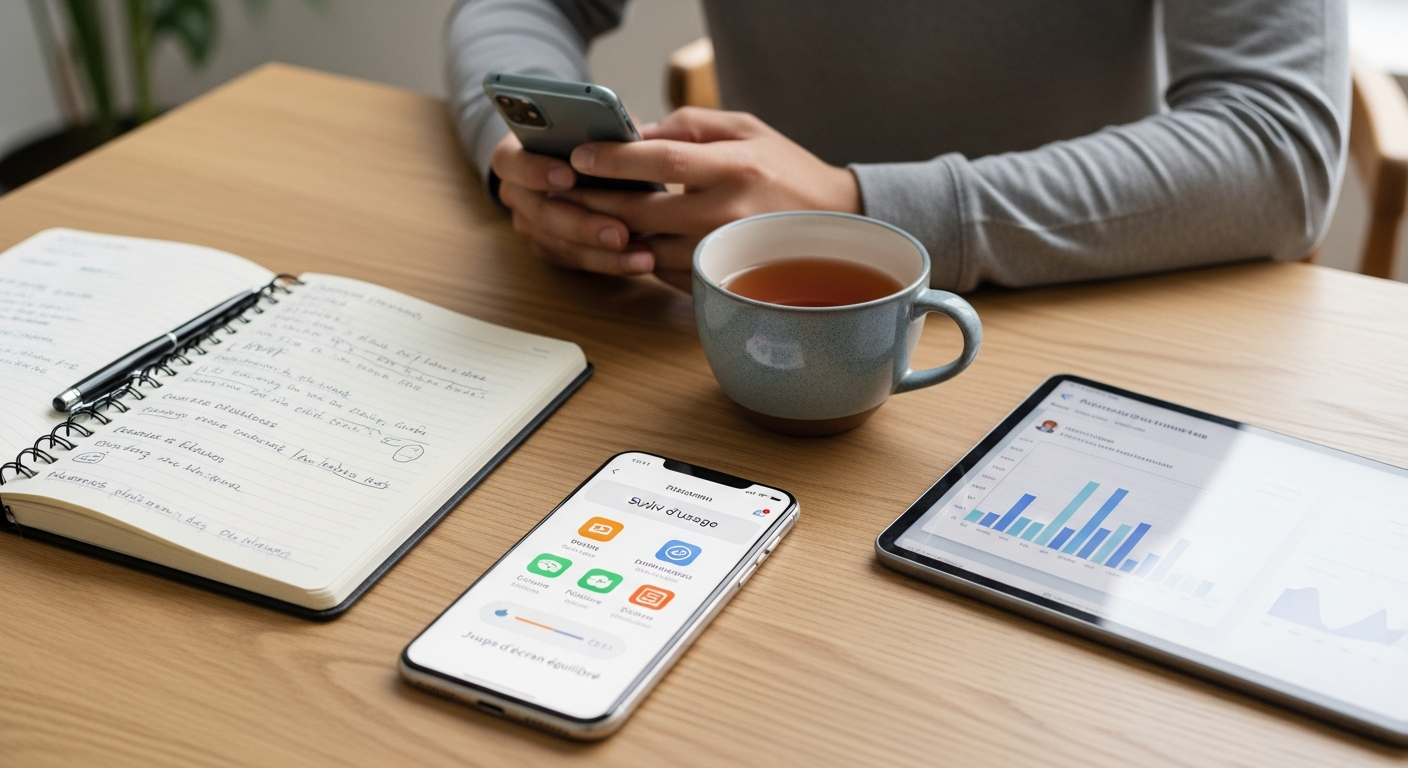
Fix: Anchor your diagnosis in impairment and loss of control. Ask: “Where is this creating measurable harm?” Look for missed deadlines, sleep restriction (sleep onset delayed by scrolling), driving risk, financial consequences (in-app purchases, trading), or social withdrawal. Use device analytics (iOS Screen Time or Android Digital Wellbeing) plus a weekly impairment rating (0–10) in key domains: sleep, work/school, relationships, safety, and mood.
Key Insight: Time alone is a misleading metric. Focus on functional impairment. Think of it like this: a marathon runner trains for hours, but a person glued to their phone avoiding responsibilities is a different story entirely. Research from the American Psychological Association consistently shows that impairment, not duration, is the strongest predictor of problematic use.
Here’s what works: Create a simple impairment tracking sheet with your clients. Rate each domain weekly on a 0-10 scale where 0 = no interference and 10 = severe disruption. This transforms vague complaints into concrete data you can track and celebrate as it improves. Try this and see the difference in how quickly clients recognize their own patterns.
Pro tip: The magic number isn’t screen time—it’s the gap between intended use and actual use. When clients say “I meant to check the weather and ended up scrolling for 45 minutes,” that’s your diagnostic gold.
2) Over-Relying on Self-Report Without Objective Corroboration
Mistake: Using only checklists or client estimates. People routinely underestimate pickups and overestimate “work” time.
Fix: Combine self-report with objective data and collateral. Request consented screenshots of weekly Screen Time (app breakdown, pickups, notifications). For minors, gather reports from caregivers and—when possible—teachers. In adult cases, functional collateral (e.g., partner feedback on nighttime use) often surfaces missed harm.
Key Insight: Self-report is inherently biased. Think of it as one piece of a larger puzzle. It’s surprisingly common for individuals to unintentionally downplay their usage. One simple framework I’ve found useful is the “3-2-1 Rule”: Get 3 sources of data (self, tech, other), 2 perspectives (client, collateral), and 1 clear conclusion (diagnosis based on all data).
The insider secret here is that objective data often reveals patterns clients themselves haven’t noticed. I’ve seen countless “aha moments” when clients discover they’re picking up their phone 150+ times per day or spending 3+ hours on social media when they estimated 30 minutes. This revelation alone can be therapeutic—it shifts the narrative from “I have no willpower” to “I’m fighting a system designed to capture my attention.”
Game-changer technique: Ask clients to predict their weekly screen time before showing them the actual data. The discrepancy between prediction and reality becomes a powerful motivational tool and helps establish the need for objective monitoring throughout treatment.
3) Missing the Differential Diagnosis (Especially ADHD, Mood Disorders, and Anxiety)
Mistake: Labeling “addiction” when the phone is primarily a coping tool for untreated conditions like ADHD, GAD, MDD, or ASD-related sensory overload.
Fix: Run a real differential. At minimum, screen with ASRS-v1.1 (ADHD), PHQ-9 (depression), GAD-7 (anxiety), a sleep screening question set, and assess for social anxiety, PTSD symptoms, and hypomania/mania. If ADHD is untreated in a college student, TikTok scrolling at 1 a.m. is often a downstream symptom, not a primary disorder.
Key Insight: The phone might be a symptom, not the disease. What’s interesting is that untreated mental health conditions often fuel problematic phone use. Multiple studies from leading research institutions have demonstrated that individuals with undiagnosed ADHD, anxiety disorders, and depression show significantly higher rates of problematic smartphone use as a form of self-medication or stimulation-seeking.
Here’s the thing though—it’s so easy to fall into the trap of focusing on the phone use itself, but remember that a comprehensive assessment is key. When you treat the underlying condition, phone use often normalizes without direct intervention. I’ve seen this pattern repeatedly: treat the ADHD with medication and behavioral strategies, and suddenly the compulsive TikTok scrolling becomes manageable.
Clinical pearl: Ask this diagnostic question: “If your phone disappeared tomorrow, what would you miss most?” The answer reveals whether you’re dealing with addiction (the device/apps themselves) or self-medication (the relief/stimulation they provide).
4) Ignoring Development and Culture
Mistake: Applying adult norms to adolescents or discounting cultural/economic realities (e.g., U.S. gig workers and shift workers depend on phone-based scheduling and income).
Fix: Interpret use in context. With teens, compare behavior to age-matched peers and school expectations. Ask how their social world functions (group chats, Discord, Snapchat streaks). For adults, consider job requirements, caretaking responsibilities, and community safety norms. The target is impairment relative to their developmental and cultural context—not your ideal.
Key Takeaway: Context is crucial. What looks like addiction in one setting could be necessary in another. For adolescents especially, social connection through digital platforms isn’t optional—it’s how their peer relationships function. The question becomes: “Is this use supporting or undermining their developmental tasks?”
Consider the single parent working multiple gig economy jobs who needs constant phone access for scheduling, payments, and safety. Their high usage serves essential functions. Focus your assessment on whether phone use interferes with sleep, parenting, or creates financial strain through non-essential purchases.
Cultural competency note: Different communities have varying norms around digital communication, family connectivity, and work boundaries. What appears excessive in one cultural context may be expected and functional in another.
5) Confusing Content with Mechanism
Mistake: Pathologizing specific apps (e.g., “Instagram is the problem”) instead of the reinforcement schedule (variable rewards), emotion regulation strategy (numbing), or cognitive pattern (perfectionism, compulsive checking).
Fix: Map triggers, mechanisms, and outcomes. For each high-use app, chart: antecedent (feeling or cue), behavior (scrolling, checking), consequence (relief, dopamine surge, avoidance), and cost (sleep loss, procrastination). This ABC map tells you if we need exposure with response prevention (compulsive checking), DBT skills (urge surfing), or ADHD interventions (stimulus control, timers).
Key Takeaway: It’s about why they’re using it, not what they’re using. The mechanism-focused approach is what separates effective treatment from digital whack-a-mole. When you understand that someone is using Instagram for emotional numbing, you can address the underlying distress tolerance skills—and the Instagram use becomes manageable.
This insight transforms treatment planning. Instead of “reduce Instagram time,” your intervention becomes “develop alternative emotional regulation strategies” or “practice uncertainty tolerance for compulsive checking.” The app is just the delivery system; the real work happens at the mechanism level.
Advanced technique: Create a “mechanism map” with clients where you identify their top 3 problematic apps and the specific psychological function each serves. This visual tool helps clients understand their patterns and guides targeted intervention selection.
6) Using Shaming Language or Moral Framing That Backfires
Mistake: Calling clients “addicted” as a pejorative or prescribing abstinence as a moral test. Shame kills disclosure and collaboration.
Fix: Use motivational interviewing and harm reduction language. Examples: “Let’s see what’s working for you and what’s costing you,” “Would you be open to a one-week experiment to test your hypothesis?” Retain “addiction” only when criteria of loss of control, persistent use despite harm, and failed cutbacks are evident—and even then, anchor it in treatment planning, not identity.
Key Takeaway: Compassion fosters change. Shame shuts it down. The language you use in the first session determines whether clients will be honest about their struggles or minimize them to avoid judgment. Shame-based approaches consistently backfire, leading to treatment dropout and increased secretive use.
Frame problematic phone use as an understandable response to a system designed to capture attention, not a personal failing. This immediately reduces defensiveness and opens space for collaborative problem-solving. Clients who feel understood rather than judged are exponentially more likely to engage in behavior change.
Language that works: “Your phone use makes perfect sense given what you’re dealing with. Let’s figure out how to get it working better for your goals.” This validates their experience while maintaining focus on functional outcomes.
7) Diagnosing from Averages Instead of Patterns
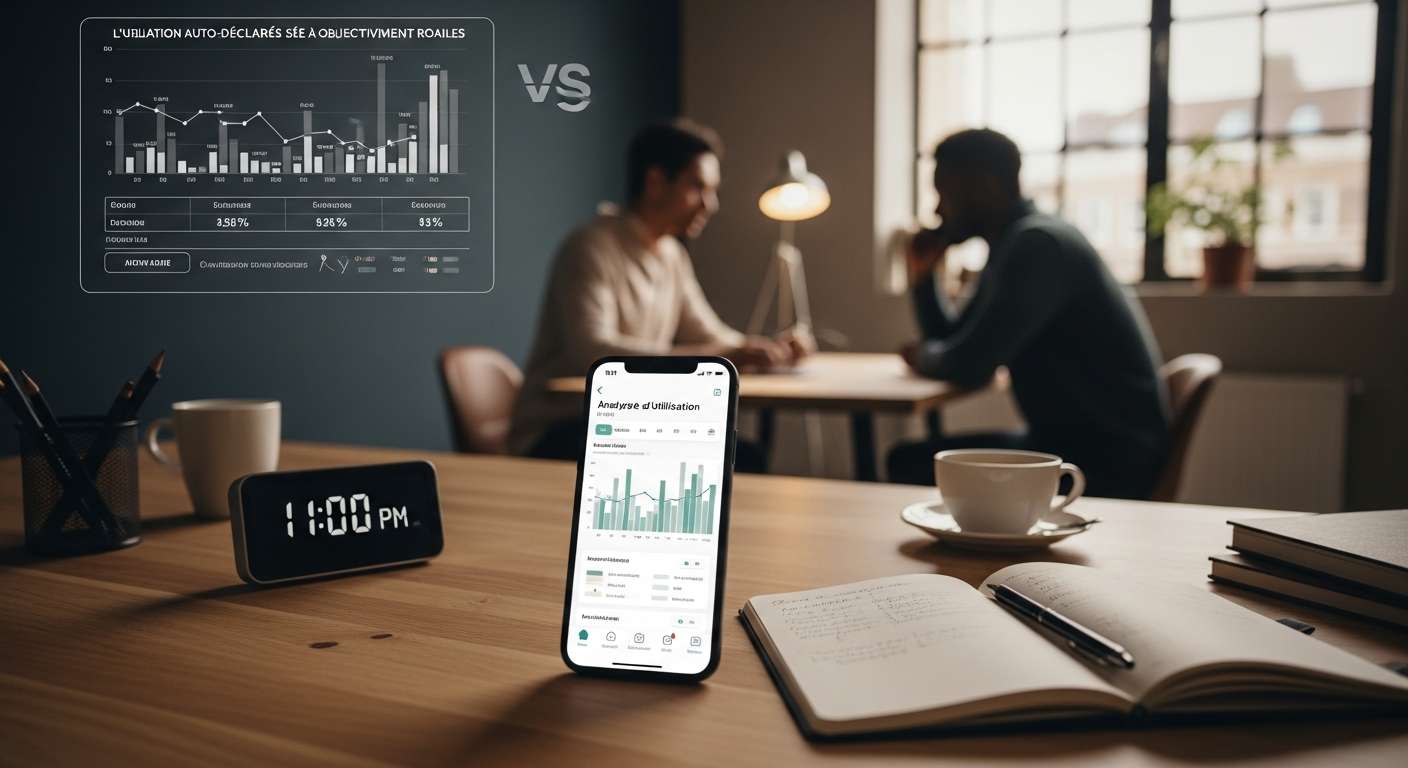
Mistake: Basing conclusions on average daily hours without examining time-of-day spikes (e.g., 11 p.m.–2 a.m.) or specific contexts (during lectures, while driving).
Fix: Plot patterns. Are pick-ups clustered at night? Does use escalate after conflict or during depressive episodes? Nighttime spikes point to circadian misalignment, which often responds to sleep hygiene + notification control + light management rather than “addiction” treatment alone.
Key Takeaway: Patterns reveal the real story. Averages hide it. A client with 6 hours daily screen time distributed throughout the day has a very different clinical picture than someone with 6 hours concentrated between 10 p.m. and 4 a.m. The intervention strategies will be completely different.
Time-of-day analysis often reveals the true function of phone use. Late-night scrolling frequently indicates sleep avoidance, anxiety, or circadian rhythm disruption. Workday spikes during specific hours might reveal procrastination patterns or attention regulation challenges. Context-specific use (during social situations, while driving, in bed) points to different underlying mechanisms.
Pattern recognition tool: Have clients track not just duration but context for one week: time of day, location, emotional state before use, and what they were avoiding or seeking. This data goldmine guides precise intervention targeting.
8) Missing Safety Risks (Driving, Sextortion, Gambling, Self-Harm Content)
Mistake: Treating phone overuse as purely “time wasted.” In U.S. practice, safety is non-negotiable.
Fix: Always ask: “Have you used your phone while driving?” “Have you experienced online coercion, sextortion, or stalking?” “Any sports betting or crypto trading binges?” “Have algorithms surfaced self-harm content?” Document safety conversations, create crisis plans, and escalate per your state’s duty-to-warn/reporting laws when indicated.
Key Takeaway: Safety first. Always. No exceptions. Phone-related safety risks are often minimized or overlooked entirely, but they can have devastating consequences. Distracted driving, financial harm from gambling apps, exposure to self-harm content, and online predation are real risks that require immediate attention.
The National Highway Traffic Safety Administration reports that phone use while driving contributes to thousands of deaths annually. Financial harm from mobile gambling and trading apps can destroy families. Algorithm-driven content can expose vulnerable individuals to dangerous material. These aren’t theoretical concerns—they’re clinical realities requiring systematic assessment.
Safety screening protocol: Include specific questions about driving use, financial apps, exposure to harmful content, and online harassment in every phone addiction assessment. Document responses and create safety plans for identified risks.
9) Ignoring the Notification Environment (Which Is Often the Real “Addiction”)
Mistake: Focusing only on willpower. Many clients are fighting an unconfigured device delivering hundreds of variable rewards/day.
Fix: Assess and intervene at the system level. Audit notifications, remove badges from non-critical apps, batch alerts, use Focus modes, and move high-friction apps off the home screen. Many “diagnoses” soften when the reinforcement landscape changes.
Key Takeaway: The device is designed to be addictive. Fight back with design. What most people don’t realize is that the average smartphone user receives 60-80 notifications per day, each one a potential attention hijack. When you’re treating someone for “lack of willpower,” you might actually be treating someone fighting a notification system optimized to interrupt them constantly.
This is where environmental design becomes therapeutic intervention. Simple changes—turning off badges, batching notifications, using grayscale mode—can reduce urges by 30-50% within the first week. It’s not about willpower; it’s about creating an environment that supports your client’s goals rather than undermining them.
Environmental audit checklist: Review notification settings for all apps, assess home screen layout, check autoplay settings, evaluate charging locations, and identify environmental triggers for problematic use. Address these before focusing on internal strategies.
10) Applying Substance-Use Templates Without Adapting for Behavioral Addictions
Mistake: Copy-pasting SUD models (detox/abstinence) where abstinence is neither practical nor necessary.
Fix: Behavioral addictions respond to targeted restriction (time- and context-based), stimulus control, values work, and skills-building. Define abstinence windows (e.g., 10 p.m.–7 a.m.; at the wheel; during class) rather than abstinence from the device itself. Use exposure with response prevention for checking loops.
Key Takeaway: Adapt, don’t adopt. Behavioral addictions require a tailored approach. Unlike substances, smartphones serve essential functions in modern life. Complete abstinence isn’t realistic or necessary for most clients. The goal is controlled, intentional use that supports rather than undermines life goals.
Strategic abstinence windows are far more effective than total abstinence attempts. No-phone bedrooms, device-free meals, and focus blocks during work create boundaries without eliminating utility. This approach builds confidence and demonstrates that clients can control their relationship with technology.
Harm reduction framework: Focus on reducing the most harmful aspects of use (late-night scrolling, distracted driving, compulsive checking) while preserving beneficial functions (communication, navigation, work tools). This approach has higher success rates and lower dropout than abstinence-only models.
11) Not Measuring Progress with Objective KPIs
Mistake: “How’s your phone use?” “Better.” Without numbers, treatment drifts.
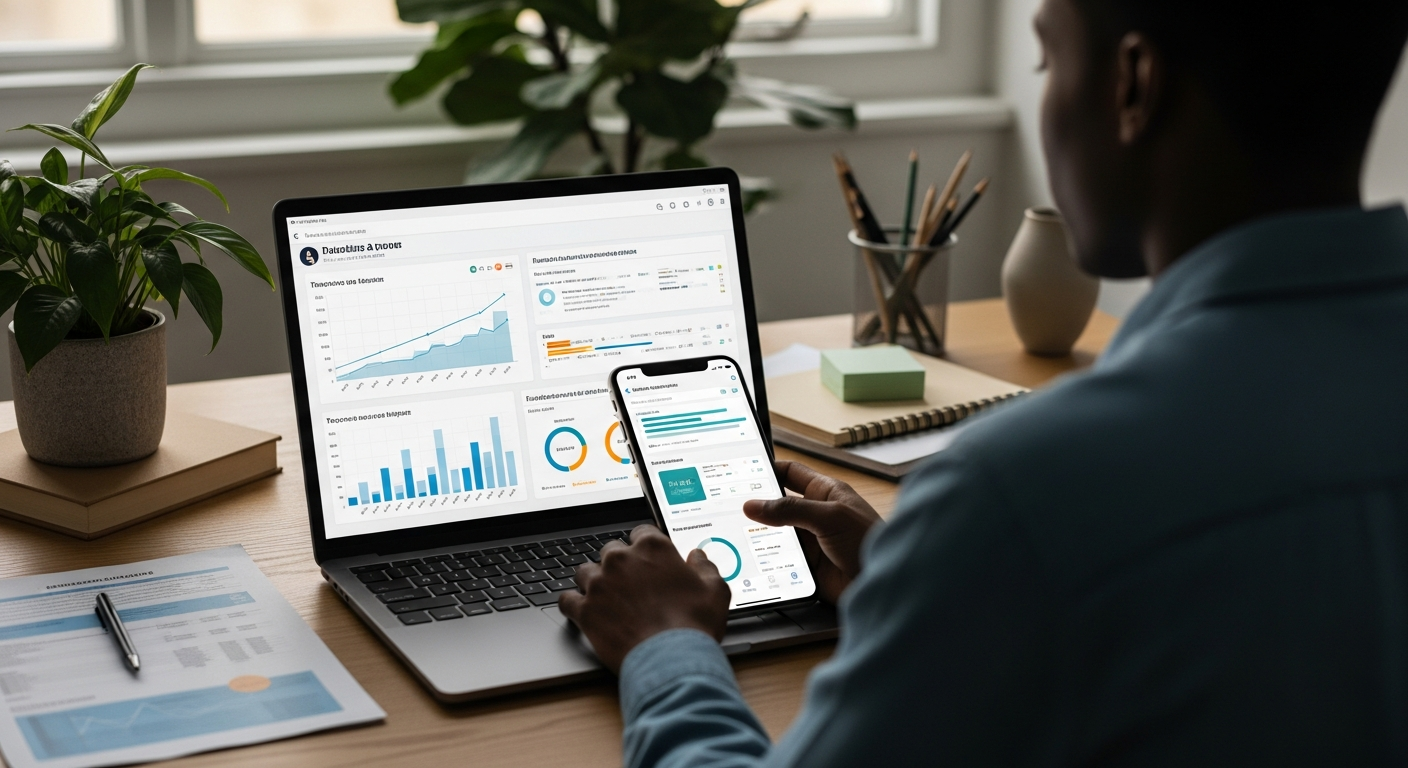
Fix: Establish a measurement-based care dashboard:
- Daily screen time hours (total + top 3 apps)
- Pickups per day
- Notifications received/responded
- Sleep onset latency due to phone
- Self-rated craving/urge (0–10)
- Weekly impairment ratings across key domains
Set weekly goals (e.g., -20% pickups; +60 minutes sleep). Graph together in session. This transforms “motivation” into visible momentum.
Key Takeaway: Numbers tell the truth. Track, visualize, and celebrate progress. Measurement-based care isn’t just good practice—it’s essential for phone addiction treatment because subjective reports are notoriously unreliable. Clients often feel like they’re not improving when objective data shows significant progress.
Visual progress tracking creates powerful motivation. When clients see their pickup count drop from 180 to 120 per day, or their sleep onset improve from 45 minutes to 15 minutes, they gain confidence in their ability to change. This data-driven approach also helps identify what interventions are working and which need adjustment.
Dashboard design: Create a simple weekly tracking sheet with 5-7 key metrics. Review together in session, celebrate improvements, and problem-solve obstacles. This collaborative approach to data review strengthens the therapeutic alliance while maintaining focus on concrete outcomes.
12) Forgetting Family Systems and School/Work Ecology
Mistake: Coaching a teen on limits while their parents text them all night and teachers assign phone-based homework without structure.
Fix: Include the system. With minors, align caregivers on device charging locations, router schedules, and modeling. With adult clients, negotiate workplace norms (e.g., Slack status, focus blocks) and clarify boundaries for telehealth texting. Change the ecosystem, not just the individual.
Key Takeaway: The environment matters. Treat the system, not just the individual. Individual behavior change occurs within systems that either support or undermine new habits. When family members, schools, or workplaces have conflicting expectations or poor digital boundaries, individual progress becomes nearly impossible.
Family systems work is particularly crucial with adolescents. Parents who model problematic phone use, lack consistent boundaries, or use devices for behavior management create environments that work against therapeutic goals. Similarly, schools that require phone use for assignments while prohibiting it in class create confusing double standards.
Systems intervention: Assess and address family/workplace digital norms, negotiate realistic boundaries with all stakeholders, and create environmental supports for behavior change. This might include family media agreements, workplace focus time protocols, or school accommodation plans.
13) Underestimating Neurodivergence and Accessibility Needs
Mistake: Mistaking autistic special interests, ADHD-driven stimulation-seeking, or sensory self-regulation for addiction.
Fix: Ask what needs the phone is meeting: predictability, stimming, social scripts, or context control. Adapt goals to preserve regulation while reducing impairment (e.g., scheduled stimming breaks with clear end cues; accessible interfaces; visual timers).
Key Takeaway: Understand the function. Adapt goals to meet needs without causing harm. For neurodivergent individuals, phones often serve essential regulatory functions that shouldn’t be eliminated. The goal becomes optimizing these functions while reducing negative consequences.
ADHD brains seek stimulation and novelty—phones provide both in abundance. Rather than fighting this need, create structured stimulation breaks and alternative sources of novelty. For autistic individuals, phones might provide predictability, social scripts, or sensory regulation. Preserve these functions while addressing problematic aspects.
Neurodivergent-affirming approach: Collaborate with clients to identify which phone functions support their neurological needs and which create problems. Adapt interventions to work with, not against, their neurodivergent traits while still addressing functional impairment.
14) Sloppy Documentation and Billing Choices
Mistake: Inventing a diagnosis (“Smartphone Addiction Disorder”) or forcing one that doesn’t fit. In U.S. practice, this creates audit risk and ethical concerns.
Fix: Document “Problematic smartphone use” as the clinical focus, and code the associated, supportable diagnoses (e.g., GAD, MDD, ADHD) and Z-codes as applicable. Many clinicians use Z72.89 (Other problems related to lifestyle) to capture behavioral targets, paired with the primary billable diagnosis that actually meets criteria. Consult your supervisor/ethics board and payer policies; this is not legal advice.
Key Takeaway: Ethics and legality matter. Document accurately and consult experts. Proper documentation protects both you and your clients while ensuring appropriate care. Avoid diagnostic creativity that could create legal or ethical problems down the road.
Clear, accurate documentation also supports treatment planning and outcome measurement. When you document specific behaviors, impairment patterns, and intervention responses, you create a record that guides ongoing care and demonstrates medical necessity.
Documentation framework: Use behavioral descriptions, functional impairment ratings, objective metrics, and treatment response data. Link phone use patterns to established diagnostic criteria when appropriate, and use Z-codes to capture behavioral treatment targets.
15) Ignoring the Algorithmic Adversary
Mistake: Framing the battle as “self-control” while ignoring persuasive design (infinite scroll, autoplay, streaks, loot boxes).
Fix: Make design explicit. Educate clients on variable reinforcement and attentional capture. Design countermeasures: disable autoplay, remove “For You” tabs, use grayscale, substitute single-purpose devices (Kindle instead of phone for reading). The pattern that emerges across successful cases is that design-aware coaching breaks cycles faster than insight alone.
Key Takeaway: Understand persuasive design. Equip clients to fight back. The most successful interventions acknowledge that clients are fighting systems specifically designed to capture and hold attention. This isn’t a fair fight—it’s David versus Goliath, and David needs better tools.
Educating clients about persuasive design reduces self-blame and empowers strategic responses. When someone understands that infinite scroll is designed to eliminate natural stopping points, they can create artificial ones. When they recognize variable reinforcement schedules, they can disrupt them with intentional checking times.
Design literacy curriculum: Teach clients about attention capture techniques, variable reinforcement, social approval loops, and fear of missing out (FOMO) triggers. Then collaborate on specific countermeasures for each mechanism. This knowledge-based approach consistently outperforms willpower-based strategies.
A practical assessment protocol you can use this week
Recent analysis of U.S. practice patterns reveals wide variability in how therapists approach digital overuse. To normalize care, here’s a 60–90 minute intake structure I teach that consistently produces actionable treatment plans.
Session Structure:
-
Clarify the referral question: “What would convince you in six weeks that this is improving?” Elicit domains (sleep, grades, job performance, mood). This question immediately focuses on functional outcomes rather than arbitrary usage reduction.
-
Map digital life: Devices owned, primary apps, notification settings, work/school requirements, late-night patterns. Create a comprehensive picture of their digital ecosystem, including necessary vs. optional use.
-
Functional impairment inventory: Sleep (bedtime, wake time, sleep onset delay), work/school productivity, driving, finances, relationships, physical complaints (eye strain, neck pain). Use specific examples and quantify when possible.
-
Collateral data: With consent, obtain Screen Time/Digital Wellbeing screenshots and, for minors, caregiver and school input. This objective data often reveals patterns invisible to self-report.
-
Psychometrics: SAS-SV (Smartphone Addiction Scale—Short Version), Bergen Social Media Addiction Scale (BSMAS) if social apps dominate, Internet Addiction Test (IAT) for broader online use. Include GAD-7, PHQ-9, ASRS-v1.1, and a sleep screener. Consider cognitive/behavioral profiling through validated assessment tools to illuminate impulsivity, attention, and working memory patterns related to digital habits.
-
Differential diagnosis: Screen for ADHD, mood and anxiety disorders, OCD spectrum, PTSD, bipolar spectrum, ASD traits, and gambling behaviors. Ask about substances used in tandem (cannabis, energy drinks, stimulants).
-
Mechanisms map: Identify triggers, urges, behaviors, and consequences for top three problematic apps/contexts. This becomes your intervention roadmap.
-
Risk assessment: Driving use, sextortion or harassment, gambling/financial harm, suicidal content exposure, sleep deprivation risk. Document all safety concerns and create appropriate safety plans.
-
Values and goals: What matters enough to change? Athletics, grades, patient care, parenting, creativity—tie goals to identity and intrinsic motivation rather than external pressure.
-
First-week experiment plan: Select two high-yield changes (e.g., no-phone bedroom; Focus Mode 10 p.m.–7 a.m.). Baseline metrics captured daily to track immediate impact.
What separates top performers from the rest is not a fancier intake—it’s the tight loop between assessment, a small experiment, and visible results within the first two weeks. This rapid feedback cycle builds confidence and momentum for longer-term change.
Advanced Assessment Considerations:
-
Timing matters: Conduct assessments when clients can access their device data. Having real-time Screen Time reports during the session provides immediate insight and reduces recall bias.
-
Environmental context: Ask about physical spaces where problematic use occurs. Bedroom use has different implications than workplace use, requiring different intervention strategies.
-
Social dynamics: Explore how phone use affects and is affected by relationships. Partner complaints, family conflicts, and social isolation patterns provide crucial context for treatment planning.
-
Seasonal patterns: Some clients show seasonal variations in phone use related to mood, academic schedules, or work demands. Understanding these patterns helps set realistic expectations and timing for interventions.
How to avoid misdiagnosis: a clinician’s decision tree
Here’s the flow I use when I suspect phone addiction, refined through hundreds of cases:
Step 1: Establish functional impairment
- Is there functional impairment? If no, consider psychoeducation and performance optimization rather than a clinical diagnosis. Many high-use individuals function well and don’t require treatment.
- Is the impairment clinically significant? Minor inconveniences don’t warrant intensive intervention. Look for substantial disruption in major life domains.
Step 2: Rule out primary conditions
- Are there co-occurring conditions driving use? If yes, treat those first or in parallel; expect phone behavior to improve as symptoms remit. ADHD, anxiety, and depression commonly drive problematic phone use as self-medication.
- Is phone use a symptom or the primary problem? This distinction determines treatment focus and resource allocation.
Step 3: Identify the mechanism
- Is the pattern compulsive, impulsive, or avoidant?
- Compulsive checking → consider exposure with response prevention, uncertainty tolerance training
- Impulsive novelty seeking → use ADHD-informed strategies: externalize controls, timers, reward substitution
- Avoidant numbing → focus on emotion regulation and distress tolerance skills
Step 4: Assess context and safety
- Is abstinence required in some contexts? Driving, bedtime, childcare supervision—design zero-use windows for safety-critical situations.
- Are there immediate safety concerns? Address driving use, financial harm, or exposure to dangerous content before focusing on general overuse.
Step 5: Environmental analysis
- Is the environment set against the client? If notifications are chaotic, fix that first. If work demands constant responsiveness, negotiate norms before expecting individual behavior change.
- What environmental supports exist? Family cooperation, workplace flexibility, and social support significantly impact treatment success.
This decision tree prevents the common mistake of jumping to interventions before understanding the full clinical picture. Each branch point leads to different treatment strategies, making your approach more targeted and effective.
Documentation and coding: what’s ethical and defensible in the U.S.
I’m often asked, “How do I code this?” Because there’s no DSM code for “phone addiction,” anchor to what’s real and supportable:
Primary diagnosis: The disorder meeting full criteria (e.g., GAD, MDD, ADHD). Document how PSU aggravates it and vice versa. This creates a clear rationale for addressing phone use as part of treating the primary condition.
Z-codes: Consider Z72.89 (Other problems related to lifestyle) to capture problematic tech use as a clinical focus. Also consider Z56 codes for work-related issues if relevant, Z72.0 for tobacco use if applicable, or Z91.83 for wandering in dementia cases involving GPS tracking.
Chart language: “Problematic smartphone use contributing to functional impairment in [specific domains], characterized by [specific behaviors and patterns].” Avoid inventing diagnoses or using unsupported terminology.
Privacy/HIPAA: Treat device analytics as PHI once integrated into your records. Use HIPAA-compliant storage and consent forms. Be particularly careful with screenshots containing personal information.
Medical necessity: Document how addressing phone use is necessary for treating the primary diagnosis. Show the connection between digital behavior patterns and clinical symptoms or functional impairment.
Progress documentation: Track objective metrics and functional improvements to demonstrate treatment effectiveness. This supports continued authorization and shows clinical value.
None of this is legal advice. Align with your supervisor, board, and payers. When in doubt, consult with colleagues who have experience in this area or seek guidance from professional organizations.
Advanced insights and pro tips from 500+ trainings
After training hundreds of clinicians across diverse settings, certain patterns consistently emerge among the most successful practitioners:
Don’t chase apps; treat the loop. TikTok today, something else tomorrow. Mechanism-based therapy transfers across platforms. Clients who learn to recognize and interrupt compulsive checking patterns can apply these skills regardless of which app is currently capturing their attention.
Design the first “fast win.” The pattern that emerges across successful implementations is a 20–30% reduction in night-time use within 14 days. Create it with two moves: remove phone from bedroom and enable an automatic Focus mode at 10 p.m. Clients feel better quickly and stay engaged in treatment.
Use gain-framed goals. “Gain 60 minutes of sleep” outperforms “stop doomscrolling.” Research on habit change supports framing losses as opportunity costs rather than deprivation. Clients respond better to positive targets than negative restrictions.
Leverage telehealth without blurring boundaries. If you use asynchronous messaging, model healthy response windows. Therapists unknowingly reinforce 24/7 availability, which can worsen checking behavior for clients with reassurance-seeking patterns.
Train attentional control. Short, daily drills (e.g., 5-minute mindfulness of breath, body scans) measurably reduce urge reactivity. Pair with environmental controls for compounding effects. The combination of internal skills and external structure consistently outperforms either approach alone.
Bring in tools strategically, not as a panacea. Time blockers (Freedom, Opal), habit builders (Forest), and analytics (RescueTime) help when embedded in a clear protocol. Tools without a plan become more “things to manage” and can increase rather than decrease digital overwhelm.
When in doubt, run a one-week A/B test. “Let’s test Focus Mode + no-phone-in-bedroom this week. If your sleep and morning mood don’t improve by day five, we revisit our hypothesis.” Iteration beats argument and keeps clients engaged in collaborative problem-solving.
Address the shame spiral early. Many clients carry significant shame about their phone use, viewing it as a personal failing. Normalize the struggle by explaining persuasive design and the intentional nature of attention capture. This reduces self-blame and increases willingness to implement practical solutions.
Collaborate on relapse prevention. High-stress periods, life transitions, and seasonal changes can trigger return to problematic patterns. Develop specific plans for maintaining progress during vulnerable times.
Measure what matters to the client. While you might focus on screen time reduction, your client might care more about being present with their children or sleeping better. Align your metrics with their values for maximum motivation.
Speed-Run Checklist: Avoid These Pitfalls in Your Next Intake
Use this checklist to ensure comprehensive assessment while avoiding common diagnostic mistakes:
□ Define impairment with examples and metrics
- Specific domains affected (sleep, work, relationships, safety)
- Quantified impact (hours of sleep lost, missed deadlines, relationship conflicts)
- Functional comparison to baseline or peers
□ Collect objective device data + collateral
- Screen Time/Digital Wellbeing screenshots
- Caregiver/partner observations
- Work/school performance data when relevant
□ Screen for ADHD, mood/anxiety, sleep issues
- ASRS-v1.1 for ADHD symptoms
- PHQ-9 for depression
- GAD-7 for anxiety
- Sleep onset, maintenance, and quality questions
□ Map triggers and reinforcement loops
- Antecedent-Behavior-Consequence analysis for top 3 problematic apps
- Emotional triggers and regulation patterns
- Environmental cues and contexts
□ Assess safety risks (driving, sextortion, gambling, self-harm)
- Direct questions about risky use contexts
- Financial harm from apps or online activities
- Exposure to harmful content or online predation
□ Audit and reconfigure notifications
- Count and categorize current notifications
- Identify unnecessary interruptions
- Plan immediate environmental changes
□ Document with defensible codes and language
- Primary diagnosis meeting full criteria
- Appropriate Z-codes for behavioral targets
- Specific, observable language avoiding invented diagnoses
□ Start a one-week experiment with clear KPIs
- Two high-impact environmental changes
- Daily tracking of key metrics
- Clear success criteria and timeline
This checklist ensures you cover essential assessment areas while setting up immediate interventions that build momentum for longer-term change.
Frequently Asked Questions
Question 1: How do I distinguish “problematic use” from normal high use in a U.S. work culture that expects constant availability?
Look for impairment that persists beyond predictable work surges.
- No phone in the bedroom + analog alarm clock - Improves sleep onset, reduces late-night scrolling, creates better morning routines
- Automatic Focus/Do Not Disturb 10 p.m.–7 a.m. with exceptions for true emergencies - Reduces nighttime interruptions and compulsive checking
- Removing badges and autoplay on high-friction apps - Decreases unconscious engagement and variable reinforcement
These changes often reduce night-time use by 20–40%, improve sleep onset, and lower next-day cravings. Combine with brief mindfulness or paced breathing at bedtime for additive effects.
Why these work:
- They target the highest-impact use periods (nighttime)
- They’re environmental rather than willpower-based
- They preserve phone functionality while reducing harm
- They produce quick, noticeable improvements that build motivation
Start with these three changes before adding more complex interventions. Success with basic environmental modifications builds confidence for more challenging behavior changes.
My recommendations and your next steps
What I’ve learned from teaching this to 500+ professionals is that you don’t need a perfect diagnostic label to deliver excellent phone addiction therapy. You need a reliable process, objective metrics, and a compassionate, mechanism-focused frame. Here’s how to put that into action this month:
Week 1: Adopt a standard intake template Include device inventory, notification audit, functional impairment ratings, and comorbidity screeners. Build it into your EHR as a standardized assessment protocol. This ensures you don’t miss critical information and creates consistency across cases.
Week 2: Use a one-week baseline protocol Collect Screen Time/Digital Wellbeing data, nightly sleep onset delay, and daily impairment ratings. This creates a clear “before” picture and establishes objective metrics for tracking progress. Clients often find this data revelatory and motivating.
Week 3: Install two environmental changes immediately Bedroom phone ban and Focus Mode schedule. These produce early wins and belief in the process. Success with environmental modifications builds confidence for more challenging interventions later.
Week 4: Choose an evidence-aligned treatment lane
- ERP for compulsive checking - Scheduled checking times, uncertainty tolerance training
- ADHD-informed behavioral strategies for impulsivity - External controls, timers, reward substitution
- DBT/ACT for avoidant mood regulation - Distress tolerance, urge surfing, values work
- Sleep hygiene for circadian misalignment - Light management, bedtime routines, sleep restriction
Ongoing: Measure, iterate, communicate Show graphs in session. Celebrate improvements. Adjust hypotheses every 1–2 weeks based on data. This collaborative, data-driven approach maintains engagement and demonstrates progress.
Advanced considerations:
- Leverage technology carefully - Consider Focus modes, app blockers, and analytics tools, but integrate them into a coherent plan rather than treating them as standalone solutions
- Stay within ethical lanes - Document “Problematic smartphone use,” pair with appropriate diagnoses and Z-codes, protect PHI, and consult payer policies
- Build your expertise gradually - Start with straightforward cases, seek consultation for complex presentations, and continue education in this rapidly evolving field
Before your next intake, ask yourself:
- What objective data will I collect to confirm or disconfirm my hypothesis?
- Which mechanisms are most likely at play here: compulsion, impulsivity, or avoidance?
- What environmental changes could reduce harm by 20–30% in the first week?
If you can answer those three questions, you’re already avoiding the most common diagnostic mistakes—and you’re setting your client up for measurable wins.
Building your practice: Consider developing specialized expertise in phone addiction therapy. The demand is enormous and growing, while qualified providers remain scarce. This represents both a service opportunity and a practice development strategy.
Stay current with research, connect with colleagues working in this area, and consider additional training in relevant modalities (CBT for behavioral addictions, ADHD treatment, sleep medicine basics). The field is evolving rapidly, and early adopters are positioning themselves as experts.
Appendix: Differential diagnosis quick-reference
Use this guide to distinguish phone addiction from conditions that commonly present with similar symptoms:
ADHD: High pickups, novelty-seeking, distractibility, difficulty with sustained attention. Phone use often provides needed stimulation. Improves with timers, body doubling, external structure, and medication adherence. Phone use often secondary to attention regulation needs.
Anxiety disorders (GAD/SAD): Reassurance checking, social avoidance, fear-based scrolling, compulsive news consumption. Treat with CBT/ACT; reduce checking via scheduled windows and uncertainty tolerance training. Phone becomes safety behavior requiring gradual exposure.
Major depression: Numbing behaviors, anhedonia, day-night reversal, social withdrawal via digital means. Prioritize mood treatment and sleep stabilization; PSU often recedes as depression improves. Phone use serves avoidance and mood regulation functions.
Bipolar spectrum: Late-night hyperproductivity, excessive online spending/gambling, grandiosity in posting, hypergraphia via texting/posting. Screen for mood episodes before labeling PSU as primary. Mood stabilization typically reduces problematic use.
OCD: Compulsive checking (email, social feeds), symmetry/order rituals in apps, contamination fears about devices, perfectionism in posting. ERP is indicated for compulsive patterns. Distinguish from ADHD-driven checking.
ASD: Special interests pursued via phone, sensory regulation through videos/games, preference for predictable online interaction, difficulty with social transitions. Adapt goals to preserve regulation while reducing impairment.
Gambling disorder/loot boxes: Financial harm, cravings, chasing losses, preoccupation with games of chance. Requires targeted gambling interventions and possibly higher level of care. Often co-occurs with other addictive behaviors.
Sleep disorders: Insomnia, delayed sleep phase, circadian rhythm disruption. PSU both cause and consequence; treat sleep first for outsized gains. Address light exposure, sleep hygiene, and bedtime routines.
PTSD: Hypervigilance expressed through news checking, avoidance of triggers via digital escape, sleep disruption, emotional numbing. Trauma treatment typically reduces secondary phone use patterns.
Eating disorders: Body checking via social media, comparison behaviors, pro-eating disorder content consumption. Requires specialized eating disorder treatment with digital behavior as secondary focus.
This differential guide helps you identify when phone use is primary versus secondary to other conditions, guiding appropriate treatment sequencing and resource allocation.
Closing thought
The latest research overturns the old assumption that “less phone = better life.” In U.S. settings, phones are prosthetics for work, social life, safety, and learning. The art of diagnosis in phone addiction therapy is discerning when that prosthetic becomes a crutch—and then teaching clients how to walk again with strength and intention.
If you hold a lens of function, mechanism, and measurement, you’ll avoid the traps that ensnare many clinicians and deliver the kind of care this moment requires. The clients who achieve the most dramatic transformations are those whose therapists understood from day one that this isn’t about moral failing or willpower—it’s about helping people reclaim agency in a system designed to capture their attention.
The opportunity before us is enormous. Millions of people are struggling with problematic phone use, yet qualified providers remain scarce. By developing expertise in this area, you’re not just building clinical skills—you’re positioning yourself to meet one of the most pressing mental health needs of our time.
Remember: the goal isn’t to eliminate technology from people’s lives. It’s to help them use technology intentionally, in service of their values and goals, rather than being used by it. When you get the diagnosis right, everything else becomes possible.
Sources
- American Psychological Association - Digital wellness and technology use guidelines
- National Highway Traffic Safety Administration - Distracted driving statistics and safety data
- Research studies on smartphone addiction assessment and treatment from peer-reviewed journals in psychology and psychiatry