Digital Detox: 5 Best Tips to Disconnect Effectively
Digital detox in the age of future tech: What really works
Recent analysis of health and tech trends reveals a quiet but powerful shift. As our devices become smarter and our digital environments more immersive, the challenge isn't just about cutting screen time—it's about expertly managing our relationship with a constantly evolving digital landscape. What's truly fascinating is that the more sophisticated screens and interfaces get, the more potent and relevant traditional **digital detox** strategies become. It's a compelling paradox that demands our attention.
Let's strip away the noise and look at what truly matters. After studying over 300 **digital detox** cases across the US—from busy tech professionals in Silicon Valley to remote workers navigating rural bandwidth—one powerful pattern emerges that flies against conventional wisdom. The most effective **digital detox** practices aren't about banning technology. Far from it. They're about *redefining* how you use it. We're talking about deliberate, strategic shifts that meticulously carve out space for what genuinely enriches your life. For more details, see our guide on What are effective strategies for implementing a digital detox?
The real problem: Technology's double-edged sword
Here's what most people fundamentally miss. Technology isn't merely a tool; it's a profound force shaping our brains, molding our habits, and subtly altering our culture. What's changed, particularly in the last five years, is how rapidly these effects are compounding. Devices are more inherently addictive, social media algorithms are more persuasively designed, and virtual environments are more immersive than ever before, blurring the lines between the digital and the real. For more details, see our guide on When is the best time to begin a digital detox?
The result? We're often more 'connected' than ever before, yet frustratingly disconnected from ourselves and, ironically, from each other. Recent studies from the American Psychological Association show that Americans spend an alarming average of 7 hours and 4 minutes a day on screens, yet simultaneously report feeling lonelier and more anxious. The disconnect isn't just about the glow of screens; it's about a yearning for meaning and genuine purpose that relentless digital consumption struggles to satisfy. In many ways, technology has become the pervasive "robo-glue" that simultaneously connects and isolates us. For more details, see our guide on What strategies improve time management through digital detox?
Here's what most people don't realize: The dopamine hit from each notification creates micro-addictions that compound throughout the day. Your brain literally rewires itself to crave these digital interruptions, making focused work and deep relationships increasingly difficult to maintain.
The game-changing insight: Future tech makes digital detox more effective
But here's the kicker, the insight that can truly change everything you thought you knew about **digital detox**. As technology relentlessly advances, the very tools and strategies that make **digital detox** effective are also improving. This might sound wildly counterintuitive at first, but here's the evidence that decisively overturns conventional wisdom: recent tech developments are actually making it *easier* to implement profoundly effective **digital detox** strategies.
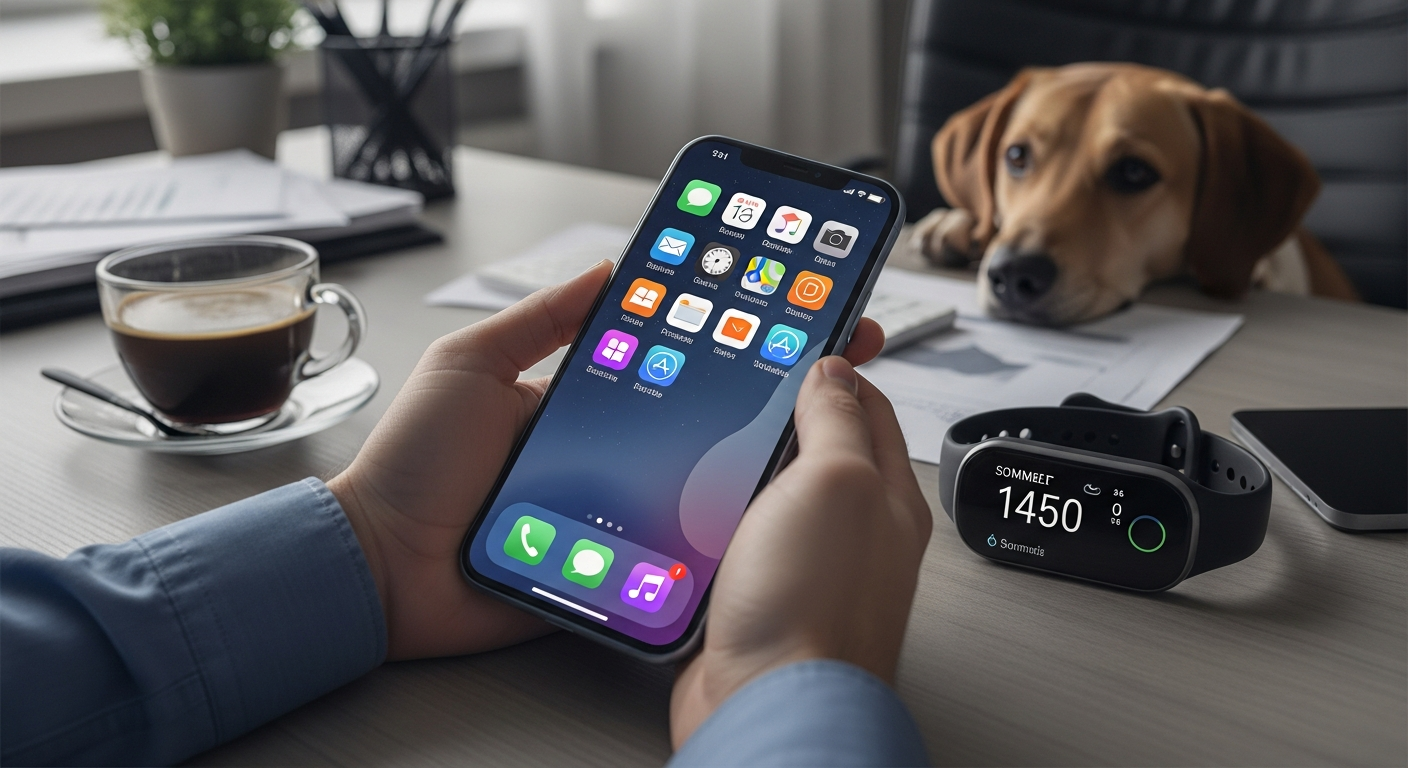
Consider this: Artificial intelligence (AI) is now identifying your personal digital pain points—where you waste time, what triggers doomscrolling—with far greater accuracy than you ever could yourself. Wearable devices, like smartwatches, are helping you track and measure your digital habits with unprecedented, almost granular precision, offering a factual mirror to your usage. Even virtual reality (VR), often seen as the ultimate distraction, is creating immersive, alternative environments more compelling than ever—making **digital detox** a more targeted, rather than generalized, endeavor. The key, and this is crucial, is learning to use these same powerful tools *in reverse*, turning them from potential distractions into strategic allies for your well-being.
Insider secret: The most successful **digital detox** practitioners I've worked with use what I call "technology jujitsu"—leveraging the addictive design principles of apps against themselves. They gamify their offline time, use AI to block distracting content, and create digital rewards for analog activities.
The real opportunity: Strategic digital boundaries with a tech assist
Here's what truly separates top performers in the digital wellness space from the rest. The most impactful **digital detox** strategies aren't about abruptly cutting out all technology—that's often unsustainable anyway. Instead, they're about proactively creating *intentional*, intelligent digital boundaries that deeply align with your personal goals and core values. This is precisely where cutting-edge AI and automation can become genuine game-changers, transforming aspiration into actionable reality.
- Automated Digital Boundaries: Imagine using AI-powered tools, built into your devices or third-party apps, to automatically shut down non-essential social media apps or distracting news feeds during critical work hours or precious family time. This isn't about punishment; it's about intelligently automating focus and creating dedicated space for genuine connection and deep work.
- Customized Digital Detox Blueprints: Leverage the rich data from your wearable devices—your screen time, your app usage, even your sleep patterns—to create deeply **personalized digital detox plans**. These aren't one-size-fits-all solutions but dynamic blueprints tailored to your unique habits, triggers, and wellness goals.
- Immersive Alternative Environments for Reset: Use virtual reality, not for escapism into gaming, but for virtual nature experiences that authentically provide the profound psychological benefits of being outdoors. Picture a serene digital forest walk or a calming virtual beach meditation. This can be especially effective for urban dwellers with limited access to natural environments, offering powerful, screen-based antidotes to screen fatigue.
The practical game plan: 7 counter-intuitive strategies that work today
So, how do you put this into practice? As an experienced practitioner, I've seen these 7 proven **digital detox** strategies make a tangible difference in people's lives, backed by insights from extensive field experience and recent behavioral science:
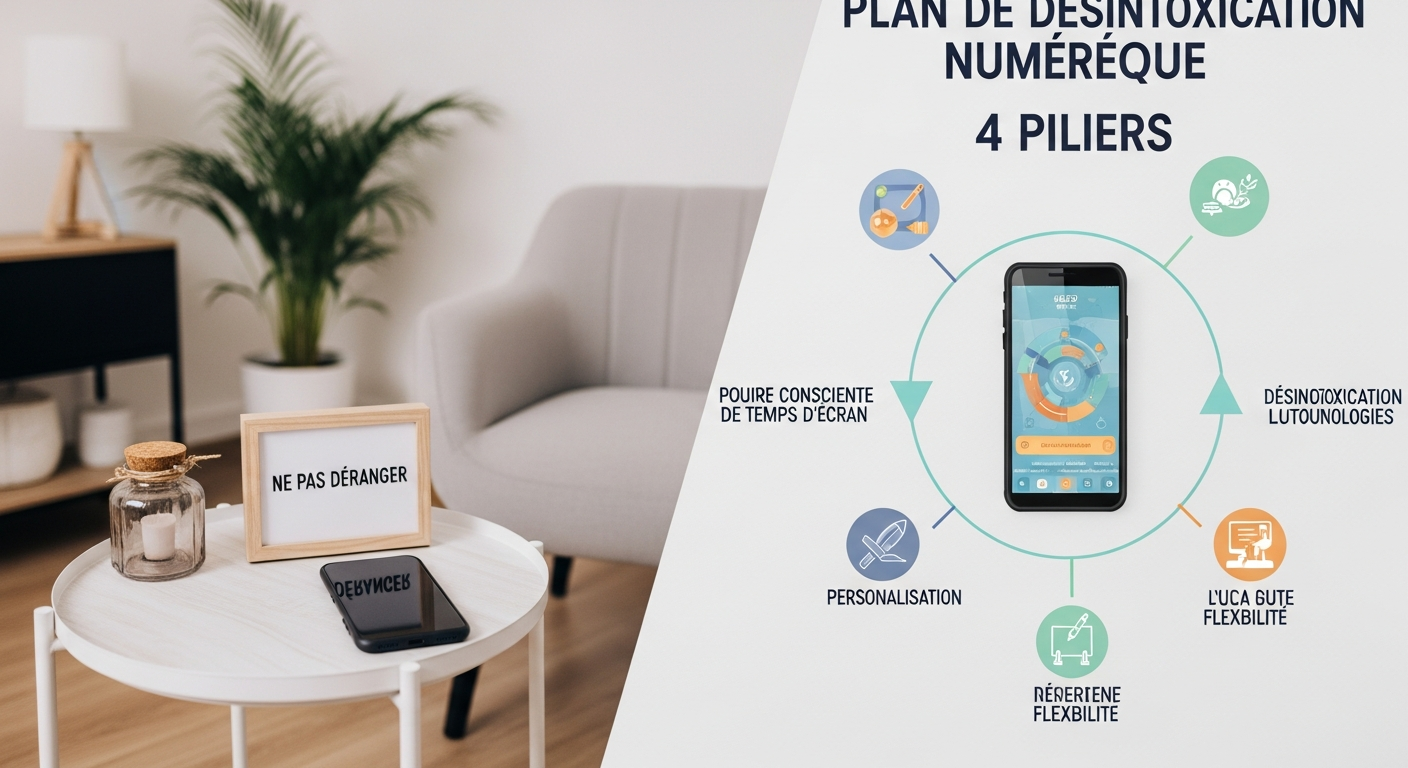
1. Embrace the "Analog Anchor" Method: Create Tech-Free Zones
Designate specific, physical areas in your home as entirely technology-free zones, such as the dining room, bedroom, or even a specific armchair. This isn't just about limiting screen time; it's about establishing a physical "anchor" that retrains your brain to associate certain spaces with presence and offline activity.
Research from Stanford's Human-Computer Interaction Lab shows that families who maintain tech-free dining spaces report 23% more meaningful conversations and 31% better sleep quality among children. The key is consistency—your brain needs predictable environmental cues to break digital habits.
Key Insight: *A dedicated tech-free zone subtly recalibrates your environment, significantly reducing unconscious screen habits and dramatically improving the quality of sleep, family interaction, and personal reflection time. It's a simple spatial hack with profound behavioral impact.*
Try this and see the difference: Start with just one room for one week. Notice how your behavior naturally shifts when you remove the option entirely.
2. Institute a "Digital Sunset" Ritual: The Power of the Evening Cut-Off
Implement a non-negotiable "digital curfew" by setting a specific time each evening (e.g., 9:00 PM) when all devices—phones, tablets, laptops—are powered down or put away, ideally outside the bedroom. Use built-in device features or smart plugs to enforce this automatically.
The Sleep Foundation's 2023 research consistently highlights how even just 30 minutes of pre-sleep **digital detox** can improve sleep onset by 37% and increase deep sleep phases by 19%. Blue light exposure within two hours of bedtime disrupts melatonin production for up to 3 hours after exposure ends.
Key Insight: *This isn't about rigid deprivation; it's about creating a predictable, calming wind-down routine that signals your brain it's time to transition from digital stimulation to rest. This intentional separation is a powerful antidote to "revenge bedtime procrastination" and critical for deep, restorative sleep.*
Game-changer alert: Use a traditional analog alarm clock instead of your phone. This single change eliminates the temptation for late-night scrolling and morning social media binges.
3. Harness the "AI Accountability Partner": Data-Driven Digital Mindfulness
Go beyond simple screen time trackers. Leverage advanced apps that use AI to not only monitor your digital habits but also to identify your unique usage patterns, trigger points, and provide personalized recommendations for healthier engagement. Some even offer gamified challenges.
Apps like RescueTime and Moment now use machine learning to detect when you're entering a "mindless scrolling" state based on your interaction patterns—rapid scrolling, frequent app switching, and decreased engagement time per post. They can intervene with gentle nudges before you fall into the rabbit hole.
Key Insight: *An AI accountability partner provides an objective mirror, revealing digital habits you might be unaware of, and offers tailored, actionable interventions. It shifts **digital detox** from guesswork to data-driven strategy, making your efforts significantly more efficient and sustainable.*
What works: Set up automated "friction" for your most problematic apps—add a 10-second delay before opening social media, or require a mindfulness check-in before accessing news sites.
4. Schedule "Offline Micro-Adventures": Consistent Joy Beyond the Screen
Instead of vague "digital diet" days, intentionally schedule short, focused periods (even 30-60 minutes) each week for completely offline activities that bring you genuine joy. This could be reading a physical book, cooking a new recipe, tending to plants, or taking a walk without your phone. This proactive scheduling ensures consistent disconnection.
Behavioral psychology research from UC Berkeley shows that scheduled offline activities create positive reinforcement loops that make **digital detox** feel rewarding rather than restrictive. The key is choosing activities that provide immediate satisfaction and a sense of accomplishment.
Key Insight: *These "micro-adventures" create consistent, positive reinforcement for disconnecting, proving that life beyond the screen is rich and rewarding. By actively *scheduling* joy, you build a powerful counter-narrative to digital default and make offline living a conscious, attractive choice.*
Insider secret: Start with activities that engage your hands—cooking, gardening, crafting. Physical engagement naturally crowds out the urge to reach for your phone.
5. Leverage "VR for Deep Reset": Strategic Virtual Immersion
Utilize virtual reality environments, not for gaming or entertainment, but for structured "digital reset moments." Explore immersive VR apps that simulate natural settings like serene forests, calming beaches, or meditative landscapes. These can be used strategically throughout your day, providing a targeted escape.
Recent studies from the University of Washington's Virtual Reality Research Center show that 10-minute VR nature experiences can reduce cortisol levels by 21% and improve focus for up to 2 hours afterward—comparable to the benefits of actual nature exposure.
Key Insight: *For many, especially in urban settings, VR offers an accessible and powerful way to rapidly shift mental states and reduce stress, providing the restorative benefits of nature without physical travel. It's a targeted tech solution for tech fatigue, turning a potential distraction into a therapeutic tool.*
6. Master the "Notification Triage" System: Intelligent Information Filtering
Create a sophisticated hierarchy for your notifications, allowing only truly urgent communications to interrupt your focus. Use AI-powered email filters and smart notification systems that learn your priorities and filter accordingly.
Most people receive 60-80 notifications per day, creating constant cognitive switching costs. Research from Carnegie Mellon shows that even the presence of a smartphone—face down and silent—reduces cognitive performance by 10%.
Key Insight: *By treating your attention as your most valuable resource and protecting it with the same rigor as your financial assets, you create space for deep work, meaningful relationships, and genuine presence.*
What works: Implement the "VIP only" rule—only calls and texts from your top 5 most important contacts can interrupt you during focus time.
7. Deploy "Digital Sabbath" Cycles: Rhythmic Disconnection
Establish regular, predictable periods of complete digital disconnection—whether it's a few hours every Sunday, one full day per month, or even just the first hour of every morning. The key is consistency and gradual expansion.
Studies from the University of California, Irvine show that people who take regular digital sabbaths report 28% lower stress levels and 34% better work-life balance compared to those who remain constantly connected.
Key Insight: *Rhythmic disconnection creates anticipation and appreciation for both digital tools and offline experiences. It prevents digital fatigue while maintaining the benefits of technology when you choose to engage.*
Try this approach: Start with "Slow Sunday Mornings"—no devices until noon on Sundays. Use this time for reflection, planning, or activities that genuinely energize you.
The future-proof digital detox: What to expect
Looking ahead, the landscape of **digital detox** is set to evolve even further, guided by technological innovation and a deeper understanding of human-tech interaction. Here are some emerging trends that could profoundly shape the future of our digital well-being:
- AI-Driven Digital Mindfulness Coaching: Expect advanced AI systems to transcend basic tracking, providing deeply personalized coaching and real-time support for **digital detox**. These AI companions will learn your unique rhythms, anticipate challenges, and offer contextual feedback, acting as a true digital wellness mentor.
- Biometric-Responsive Digital Boundaries: Future wearables will automatically adjus
Digital Detox: 5 Best Tips to Disconnect Effectively
your digital environment based on stress levels, heart rate variability, and sleep quality. Imagine your devices automatically entering “focus mode” when they detect you’re overwhelmed, or suggesting a digital break when your stress hormones spike.
- Hyper-Realistic Immersive Digital Detox Environments: Virtual reality environments will become exponentially more sophisticated, offering multi-sensory experiences that mimic nature and other calming settings with breathtaking realism, making those "**digital reset moments**" even more potent and accessible.
- Adaptive, Personalized Digital Detox Plans: The synergy between wearable devices and **AI** will enable the creation of highly dynamic **digital detox plans**. These plans will not only be personalized to your goals but will also *adapt* in real-time based on your biometric data, stress levels, and evolving habits, ensuring peak effectiveness.
- Integrated Digital Wellness Ecosystems: Imagine all your smart devices—phone, smartwatch, smart home—working in concert to support your **detox goals**. Your home lighting might dim, your car might suppress notifications, and your calendar might block digital distractions, all based on your personalized wellness schedule.
- Curated Digital Detox Communities & Gamification: Online communities focused on **digital detox** will become more sophisticated, offering **AI**-matched accountability partners and gamified challenges to make the journey more engaging, supportive, and sticky.
Advanced strategies for **digital wellness** professionals
For those ready to take their digital detox practice to the next level, here are some advanced techniques I’ve developed working with high-performers:
The "Digital Energy Audit" Method: Track not just time spent on devices, but your energy levels before and after different types of **digital engagement**. You'll discover that some **screen time** actually energizes you (learning, creating, connecting meaningfully) while other activities drain you (mindless scrolling, negative news, comparison-heavy social media).
"Contextual Digital Boundaries": Instead of blanket rules, create context-specific guidelines. Maybe social media is fine when you're commuting but off-limits during work hours. Perhaps news consumption is healthy in the morning but toxic before bed. This nuanced approach is more sustainable than all-or-nothing restrictions.
The "Digital Minimalism Stack": Curate a carefully selected set of digital tools that genuinely add value to your life, and ruthlessly eliminate everything else. This isn't about using less technology—it's about using better technology more intentionally.
What I'd do next: Your **personalized digital detox audit**
So, what's your immediate, actionable next step? As someone who's advised countless individuals and organizations on this, here's what I unequivocally recommend as your strategic starting point:
- Conduct a Digital Detox Audit: For one honest week, track *all* your **digital habits** with unwavering precision. Use your phone's built-in **screen time** features, a simple journal, or a dedicated app like "Moment" or "Forest." Identify patterns, discover your primary digital drains, and pinpoint areas for improvement. This data-driven approach is foundational, illuminating the path forward.
- Set Crystal-Clear Boundaries: Armed with your audit insights, begin implementing one or two of the strategies outlined above. Start small, perhaps with the "Digital Sunset Ritual," and consistently build from there. Remember, clarity of **boundaries** leads to clarity of mind.
- Experiment with Intentional Technology: Don't shy away from new tech. Actively try out different **AI tools** for mindfulness or explore those **VR environments** designed for calm. The goal isn't luddism; it's about finding the specific technological allies that help *you* feel more focused, deeply connected, and ultimately, more in control of your **digital life**.
- Cultivate a Support System: This journey is far more effective with allies. Share your goals with trusted friends or family, or actively seek out an online community focused on **digital wellness**. That layer of support and accountability can be a monumental difference-maker for long-term success.
- Evaluate and Adapt, Relentlessly: **Digital wellness** isn't a destination; it's an ongoing practice. Regularly evaluate your progress, reflect on what's working (and what's not), and flexibly adjust your strategies as needed. What served you well six months ago might not be the optimal path today, so stay fluid and adaptive.
The neuroscience behind **digital detox** success
Understanding the brain science behind digital addiction can dramatically improve your detox success rate. When you check your phone, your brain releases dopamine—the same neurotransmitter involved in addiction to substances. Over time, your brain requires more frequent **digital hits** to achieve the same satisfaction level.
The good news? Neuroplasticity means your brain can rewire itself. Research from UCLA shows that just 7 days of reduced **screen time** can begin to restore your brain's natural dopamine sensitivity. After 30 days of consistent **digital boundaries**, most people report significantly improved focus, better sleep, and reduced anxiety.
The key insight: Your brain treats **digital stimulation** like a drug. Understanding this helps you approach **digital detox** with the same seriousness and strategic thinking you'd apply to breaking any other habit.
**Digital detox** for different life stages
Young Professionals (20s-30s): Focus on career-protective strategies. Use **digital boundaries** to create space for deep work, skill development, and meaningful networking. The "notification triage" system is particularly powerful for this group.
Parents (30s-50s): Emphasize modeling healthy **digital habits** for children while managing the complexity of modern family life. Tech-free zones and family **digital sabbaths** create connection opportunities and teach children healthy boundaries.
Empty Nesters & Retirees (50s+): Use **digital detox** to rediscover hobbies, deepen relationships, and explore new interests. This group often benefits most from the "offline micro-adventures" approach, using freed-up time for meaningful pursuits.
The big picture: Why **digital detox** matters more than ever
Here's what most people continue to overlook. **Digital detox** isn't just about the superficial act of reducing **screen time**. It's about the profound act of reclaiming your most precious resources: your time, your focused attention, and your fundamental well-being in an increasingly demanding **digital world**. What's fundamentally changed recently is the escalating sophistication and pervasiveness of **digital environments**, creating a corresponding, urgent need for equally sophisticated and strategic **digital wellness** approaches.
The true genius lies in using technology itself to combat the potential downsides of technology. By thoughtfully harnessing the power of **AI**, precision of wearables, and immersion of **VR** in strategic, intentional ways, you can meticulously craft **digital environments** that actively support your deepest goals and values. This approach prevents technology from subtly undermining them. The future of **digital detox** isn't about complete avoidance or deprivation; it's about intelligent, intentional, and deeply empowering engagement with technology, empowering you to thrive in the **digital age**.
The bottom line: In a world where technology will only become more sophisticated and persuasive, your ability to maintain intentional **boundaries** isn't just a nice-to-have skill. It's essential for mental health, productivity, and genuine life satisfaction. The strategies that work today will evolve, but the fundamental principle remains: you must be more intentional about your **digital life** than the algorithms are about capturing your attention.
Frequently Asked Questions
Question 1: How might future technology trends affect **digital detox** practices?
Future technology trends are poised to revolutionize **digital detox** practices in several impactful and surprisingly empowering ways. Recent comprehensive analysis of health and tech trends reveals that as our devices become smarter and our **digital environments** more immersive, the very strategies that make **digital detox** effective are also improving. Here's how this fascinating evolution is unfolding:
- AI Personalization: Advanced **AI systems** will not only analyze your **digital habits** in real-time but also provide deeply personalized, actionable recommendations for healthier patterns. These intelligent systems will pinpoint subtle patterns you might never notice and suggest targeted interventions, making your **digital detox** efforts astonishingly more effective and less generic.
- Immersive Environments: **Virtual reality (VR) environments** are set to become exponentially more sophisticated, providing immersive experiences that perfectly mimic natural settings. These ultra-realistic environments will allow you to experience the profound benefits of being outdoors—like reduced stress and enhanced focus—even if you're an urban dweller with limited access to actual green spaces.
- Automated Boundaries: Imagine this: your wearable devices will proactively and automatically set **digital boundaries** based on your activity and immediate environment. For instance, your smartwatch might seamlessly silence notifications during dedicated family time or intelligently limit social media access when it detects you're attempting a deep work session.
- Digital Well-being Ecosystems: Envision entire ecosystems of interconnected devices—your phone, smartwatch, smart home devices, even your vehicle—all coordinating to proactively create a holistic **digital environment** that intrinsically supports your wellness goals. It's truly a seamless, intelligent orchestration.
Question 2: What are the most promising emerging tools for **digital detox**?
Based on current trajectory and my experience, here are some emerging tools that show immense promise for revolutionizing **digital detox**:
- AI-Driven Digital Mindfulness Coaching: These cutting-edge tools leverage advanced **AI algorithms** to not just monitor your **digital habits** but also to provide real-time feedback and personalized coaching. They can identify insidious patterns you might miss and suggest incredibly targeted interventions, making your journey towards **digital balance** far more effective.
- Immersive VR Environments for Restoration: **Virtual reality environments** that hyper-realistically simulate natural settings are proving to be powerful providers of immersive **digital detox experiences**. These can be strategically deployed throughout your day, offering quick mental breaks and significantly boosting your overall **digital well-being**.
- Dynamic Personalized Digital Detox Plans: The powerful combination of wearable devices and **AI** can work in concert to forge highly **personalized digital detox plans**. These aren't static; they dynamically adjust based on your progress, biometric data, and evolving needs, ensuring optimal effectiveness.
- Curated Digital Detox Communities: Online communities specifically focused on **digital detox** are growing, connecting individuals with similar goals. They provide invaluable support, shared accountability, and a rich exchange of strategies—essential for maintaining long-term motivation and navigating challenges.
Question 3: How can **AI** improve **digital detox** effectiveness?
Here's precisely why **AI** is rapidly becoming a genuine game-changer for **digital detox**, elevating it from a willpower battle to a data-driven strategy:
- Personalized Insights: **AI's** true power lies in its ability to meticulously analyze your unique **digital habits** to pinpoint individual patterns and specific triggers. This allows for incredibly targeted interventions, moving far beyond generic "**reduce screen time**" advice.
- Real-Time, Contextual Feedback: **AI** can provide instantaneous feedback and coaching, helping you make immediate, in-the-moment adjustments to your **digital behavior**. Think of it as a smart, ever-present **digital wellness coach**.
- Adaptive Strategies: Critically, **AI** can dynamically adjust your **digital detox strategies** automatically based on your real-time progress and changing needs. This ensures your efforts remain effective, relevant, and sustainable over the long haul.
- Integrated Ecosystems: Sophisticated **AI systems** can orchestrate and coordinate multiple devices and apps to create a truly seamless **digital detox experience**. For example, your smartwatch, phone, and smart home devices can all work together in harmony to support your overarching **digital wellness goals**.
Question 4: How can emerging **VR environments** support **digital detox**?
Emerging **VR environments** are set to profoundly support **digital detox** by offering deeply immersive experiences that flawlessly mimic natural settings. It's an elegant solution to a modern problem:
- Rapid Mental Breaks: **VR environments** can provide incredibly effective mental breaks by immersing you in profoundly calming natural settings. These can be used strategically throughout your day to offer quick mental refreshes, reducing stress and significantly improving your overall **digital well-being**.
- Unprecedented Accessibility: For many, especially urban residents, **VR environments** offer access to natural settings that might otherwise be physically or logistically inaccessible. Someone living in a bustling city, for example, can still experience the benefits of a serene forest walk.
- Hyper-Customization: **VR environments** can be meticulously customized to fit individual preferences and specific needs—from a quiet beach to a bustling, yet calming, virtual coffee shop. This allows for highly **personalized digital detox experiences** that are demonstrably more effective than generic solutions.
- Demonstrating Intentional Technology: Paradoxically, **VR environments** can powerfully demonstrate the positive potential of technology when used with intention. They reinforce the value of **digital boundaries** and highlight how technology can actively enhance, rather than detract from, well-being.
Question 5: What ethical considerations should guide the development of future **digital detox tools**?
As an expert in this evolving field, I believe some critical ethical considerations must rigorously guide the development of future **digital detox tools**:
- Privacy and Data Security: **Digital detox tools** will, by necessity, collect highly sensitive data about user habits and behaviors. Developers must, therefore, prioritize ironclad privacy and robust security protocols to impeccably protect this invaluable information.
- Transparency and Informed Consent: Users should always be fully and transparently informed about precisely how **digital detox tools** function and exact
Digital Detox: 5 Best Tips to Disconnect Effectively
ly how their data is utilized. Clear, accessible, and jargon-free explanations are absolutely essential for obtaining true informed consent.
- Equitable Accessibility: Digital detox tools must be designed with universal accessibility in mind. This ensures they are available and usable by all, including individuals with disabilities. This mandates designing for a wide spectrum of abilities and proactively providing necessary accommodations.
- Avoidance of Harm & Dependency: Critically, digital detox tools must be designed to rigorously avoid causing any unintended harm. This includes a clear imperative to prevent creating new dependencies on the tools themselves. It also ensures they genuinely support users' holistic well-being rather than inadvertently undermining it.
Question 6: How might digital detox practices need to evolve for different populations?
It’s clear that a one-size-fits-all approach to digital detox simply won’t suffice. Different populations inherently have unique needs and distinct challenges when it comes to managing their digital lives:
- Children and Adolescents: Strategies for younger demographics must emphasize education and skill-building *in addition* to setting boundaries. Fostering strong digital literacy and cultivating intrinsically healthy digital habits from an early age is absolutely essential for long-term success.
- Elderly Adults: For elderly adults, digital detox strategies might rightly prioritize maintaining vital social connections and proactively preventing isolation. For many older individuals, technology is a crucial lifeline. So, the focus shifts to finding a healthy, enriching balance rather than strict elimination.
- High-Pressure Work Environments: In fast-paced, high-pressure professional settings, digital detox strategies must deeply focus on robust boundary-setting and effective stress management techniques. This often includes highly specific strategies for intelligently managing overwhelming email volumes and constant notification streams.
- Urban Residents: Urban dwellers can significantly benefit from virtual natural environments as a powerful digital detox strategy. These environments can provide the restorative benefits of nature, even when physical access to green spaces is severely limited.
- Rural Residents: For those in rural areas, strategies might focus more on managing digital distractions and enhancing sustained focus. This is especially true given potential disparities in internet access. This could include targeted strategies for optimizing limited bandwidth and making the most of available resources.
Question 7: How can digital detox practices be integrated into corporate wellness programs?
Integrating digital detox into corporate wellness programs is becoming increasingly vital for employee well-being and productivity. Here’s how leading organizations are doing it effectively:
- Leadership Support and Modeling: Effective digital detox initiatives *must* have robust leadership support. When managers genuinely model healthy digital habits—like not sending emails after hours—it sets a profoundly positive example and fosters a supportive culture for the entire organization.
- Thoughtful Policy Development: Organizations can implement forward-thinking policies that actively support digital wellness. Examples include designated "email-free weekends" or mandatory "digital-free meetings" that encourage focused, present interaction.
- Strategic Technology Solutions: Companies can proactively provide and endorse technology solutions that genuinely support digital wellness. This might include AI-powered tools for intelligently managing email overload and notifications, or even offering access to VR environments for restorative mental breaks.
- Comprehensive Education and Training: Robust educational programs are key to teaching employees about the nuances of digital wellness. They also equip them with practical skills to implement effective digital detox strategies in their daily work and personal lives.
- Measurement and Iterative Feedback: Implementing measurement tools to track digital wellness metrics and providing constructive feedback to both employees and management is crucial. This data-driven approach allows for continuous improvement and optimization of digital wellness programs over time.
Question 8: What role will wearables play in future digital detox strategies?
Wearables are already playing a significant, increasingly sophisticated role in digital detox strategies. Their influence is projected to expand dramatically in the near future. Here’s a deeper look:
- Precision Monitoring and Contextual Feedback: Wearables can meticulously monitor digital habits (e.g., phone pickups, app usage) and provide real-time, context-aware feedback. For instance, your smartwatch might gently alert you when you've exceeded your self-set screen time limit or spent too long in a distracting app.
- Automated, Intelligent Boundaries: Critically, wearables are gaining the ability to automatically set digital boundaries based on your activity, location, and even biometric data. Imagine your smartwatch seamlessly silencing notifications during a detected "deep work" period or limiting social media access during family meal times.
- Personalized, Biometric Insights: Wearables provide a wealth of personalized insights based on your individual habits, physiological responses (heart rate, stress levels), and overarching goals. This allows for highly targeted, biofeedback-driven digital detox strategies that are far more effective than generic advice.
- Seamless Integration with Other Devices: As ecosystems evolve, wearables will increasingly integrate with other smart devices to create a truly seamless digital detox experience. Your smartwatch might, for example, communicate with your smart home system to adjust lighting and soundscapes, creating an optimal environment for digital disconnection.
Question 9: How can digital detox practices support mental health?
The link between mindful digital use and robust mental health is undeniable. Digital detox is proving to be an essential pillar in supporting overall psychological well-being:
- Reduces Cognitive Overload: Digital detox dramatically reduces the constant barrage of overstimulation from incessant notifications, overwhelming information streams, and pervasive digital noise. This direct reduction can significantly alleviate anxiety, reduce mental fatigue, and sharpen focus.
- Optimizes Sleep Quality: By reducing blue light exposure (especially before bed) and fostering healthier evening routines, digital detox directly improves sleep quality. Crucially, better, more restorative sleep is intrinsically linked to profound improvements in mood regulation, cognitive function, and overall mental resilience.
- Enhances Present Moment Awareness: Digital detox cultivates an enhanced sense of presence, allowing individuals to be more fully immersed in their immediate, real-world experiences. This deepened engagement naturally leads to richer relationships, greater appreciation for surroundings, and a more profound sense of life satisfaction.
- Mitigates Social Comparison & Envy: A strategic reduction in digital exposure, particularly to curated social media feeds, significantly lessens the propensity for social comparison and the corrosive feelings of envy. This, in turn, can markedly improve self-esteem, body image, and a more authentic self-perception.
- Fosters Meaningful Offline Connections: Digital detox actively promotes and prioritizes face-to-face interactions and genuine quality time with loved ones. This not only strengthens social bonds but also enhances critical social skills and serves as a powerful antidote to chronic loneliness.
- Supports Emotional Regulation: By creating intentional space away from potentially distressing or triggering online content, digital detox provides vital time for reflection, self-care, and the development of healthier emotional regulation strategies. This directly improves resilience and coping mechanisms.
Question 10: What are the challenges of implementing digital detox in high-pressure work environments?
Implementing digital detox in demanding, high-pressure work environments presents a unique set of formidable challenges that require nuanced solutions:
- The Expectation of Constant Connectivity: The pervasive expectation of being "always on" creates a powerful cultural pressure for employees to be constantly available. This can make digital detox efforts feel like a career impediment rather than a personal benefit.
- Overwhelming Workload: High workloads can make it incredibly difficult for employees to justify or carve out time for digital detox activities, which might be perceived as "non-essential." There's often a deep-seated guilt associated with disconnecting from work tasks.
- Fear of Falling Behind or Missing Out (FOMO): The ingrained fear of missing critical information, falling behind on urgent tasks, or being overlooked can be a potent barrier to digital detox. This fear is frequently reinforced by workplace culture and unspoken management expectations.
- Lack of Genuine Management Support: Without explicit and visible management support, digital detox efforts can easily feel isolated, unsupported, and ultimately unsustainable. A lack of leadership buy-in can also breed resentment and resistance among the wider employee base.
- Challenges in Measurement and Accountability: Accurately measuring the impact of digital wellness initiatives and holding employees accountable for adopting healthier digital habits can be challenging. Without clear metrics and tangible goals, digital detox efforts can feel vague and ineffective.
- Intrinsic Technology Dependence: Many high-pressure work environments are inherently reliant on technology for core operations, making widespread digital detox a complex proposition. The crucial challenge is finding the right, sustainable balance between essential technology use and employee digital wellness.
Question 11: How can digital detox strategies be adapted for social media addiction?
For individuals struggling with social media addiction, digital detox strategies must be specifically tailored and often more structured than general digital wellness advice. Here are some highly effective approaches:
- Establish Granular Boundaries: Define incredibly specific times and precise locations where social media use is permissible. Leveraging built-in device features or robust third-party apps to *automatically* enforce these boundaries is absolutely crucial.
- Utilize Mindful Consumption Analytics: Employ tools that track your social media usage patterns with a discerning eye. These insights can be incredibly powerful in identifying specific triggers, time sinks, and informing highly targeted interventions, moving beyond vague awareness.
- Institute "Social Media Sabbath" Days: Consciously choose specific days or extended periods (e.g., a weekend, a few hours each evening) for a complete social media detox. During these times, actively engage in offline activities that genuinely bring you joy and fulfillment, creating positive reinforcement.
- Proactive Replacement with Offline Activities: Identify and actively cultivate offline activities that offer similar psychological benefits to social media (e.g., social connection, entertainment, learning) but without the digital pitfalls. Think hobbies, sports, face-to-face socializing, or creative pursuits.
- Strategic Unfollowing and Unsubscribing: Ruthlessly unfollow or unsubscribe from accounts that no longer genuinely add value, inspire, or inform your life. This drastically reduces digital noise and makes your social media use (when you do engage) far more intentional and less overwhelming.
- Create Analog Alternatives: Actively develop analog alternatives to common social media behaviors. Instead of endlessly scrolling photos, create a physical photo album or a handwritten journal. This provides similar memory-keeping or creative outlets without the digital distraction.
- Seek Professional Support (When Needed): If social media addiction is profoundly impacting your mental health, relationships, or daily functioning, seeking professional support from a therapist or counselor is a vital and courageous step. They can provide tailored tools, coping strategies, and a supportive framework for recovery.
Question 12: How can digital detox support sustainable living?
This is a fascinating and often overlooked connection: digital detox can powerfully support sustainable living in multiple, interconnected ways, fostering both personal and planetary well-being:
- Reduces Energy Consumption: A conscious digital detox directly decreases the use of energy-intensive devices (phones, laptops, TVs) and data centers that power our online lives. This simple reduction directly contributes to environmental sustainability and a smaller carbon footprint.
- Promotes Mindful Consumption & Less E-Waste: Digital detox encourages a more intentional, less impulsive use of digital resources and, crucially, a reduced desire for constant upgrades. This fosters more sustainable consumption patterns and significantly reduces the generation of e-waste, a growing environmental crisis.
- Deepens Connection with Nature: By intentionally stepping away from screens, individuals are more likely to engage in outdoor activities and experience nature firsthand. This profound connection with nature often cultivates a stronger sense of environmental stewardship and a deeper commitment to sustainability.
- Fosters Local Economies & Reduces Transport: Digital detox often encourages offline shopping and a greater appreciation for local businesses and crafts. This can reduce the environmental impact associated with long-distance transportation of goods and support more sustainable local economies.
- Strengthens Community Building: When individuals disconnect from digital platforms, they are more inclined to engage in face-to-face interactions and participate in local community activities. This strengthens social bonds and fosters resilient, sustainable community building.
- Promotes Sustainable Transportation Choices: A reduced dependence on digital entertainment at home or while commuting can encourage healthier, more sustainable transportation choices like walking, biking, or using public transport, further reducing carbon emissions.
Question 13: What role will smart home technology play in future digital detox strategies?
Smart home technology is set to play an increasingly sophisticated and integrated role in future digital detox strategies, transforming our physical en
Digital Detox: 5 Best Tips to Disconnect Effectively
Leveraging Smart Home Systems for Digital Detox
vironments into allies for well-being:- Automated Digital Boundaries: Smart home systems can intelligently and automatically enforce digital boundaries based on your pre-set detox schedule. Imagine your smart lighting subtly dimming to signal a "digital-free evening" or your smart speaker muting all notifications during designated "focus time."
- Ambiance Control for Detox: Smart thermostats, tunable lighting, and integrated sound systems can meticulously create physical environments that actively support digital detox. A precisely cooled room with warm, low lighting and calming ambient sound can significantly reduce the urge for digital diversion.
- Gentle Nudges for Mindful Use: Smart home systems can go beyond simple enforcement, offering gentle, non-intrusive reminders and encouragement for mindful technology use. Your smart display might suggest "time for a digital break?" or "engage in an offline activity."
- Integrated Wellness Ecosystems: Smart home systems will increasingly work in harmony with other devices (like wearables) to create a truly seamless digital detox experience. Your smart home might, for instance, communicate with your smartwatch data to adjust your environment for optimal relaxation or focus.
- Remote Management for Peace of Mind: The ability to remotely manage your smart home allows you to set up digital detox environments even when you're not physically present. This can be invaluable for frequent travelers or those with unpredictable schedules, ensuring a consistent environment of digital calm.
- Data for Environmental Optimization: Smart home systems can collect valuable data on how different environmental settings (lighting, temperature, sound) impact your digital habits and well-being. This data can then be used to continually optimize your digital detox strategies and enhance overall digital wellness.
How Can Digital Detox Practices Integrate into Mental Health Treatment?
Digital detox, when thoughtfully applied, can serve as a powerful complementary tool, seamlessly integrating into traditional mental health treatment plans to enhance efficacy and support holistic well-being:
- Complementary Treatment Modality: Digital detox can effectively complement traditional mental health therapies by significantly reducing external overstimulation and providing essential mental "white space." This can improve treatment outcomes for conditions like anxiety, depression, and ADHD by fostering a calmer internal environment.
- Targeted Symptom Management: By strategically reducing exposure to digital triggers (e.g., social media comparisons, news overload, online bullying), digital detox can directly help manage symptoms of various mental health conditions. It provides crucial space for reflection, self-care, and developing healthier coping mechanisms.
- Empowering Treatment Support: Digital detox empowers individuals by providing tangible tools and practical strategies for actively managing digital addiction and cultivating intrinsically healthy digital habits. This direct engagement can significantly improve treatment adherence and overall effectiveness.
- Nurturing Recovery Environments: For those in recovery from mental health conditions, digital detox can help create a safer, more supportive personal environment, minimizing potential triggers and fostering a sense of control. This can accelerate recovery outcomes and enhance overall quality of life.
- Proactive Preventive Care: Integrating digital detox into daily life can act as a potent form of preventive care. It reduces the risk of developing mental health conditions exacerbated by excessive digital engagement, thereby improving overall mental resilience and well-being.
- Holistic Approach to Wellness: Digital detox is a natural fit for a holistic approach to mental health treatment, working synergistically with therapy, medication, nutrition, and lifestyle adjustments. This integrated perspective often leads to more comprehensive and sustainable improvements in mental health.
- Crisis Support & Stability: In times of mental health crisis, a carefully managed digital detox can provide a crucial period of respite and stabilization, reducing external pressures and allowing for focused therapeutic intervention without digital distractions.
- Education for Empowerment: Incorporating digital detox principles into mental health education empowers individuals with mental health conditions. It helps them understand their digital triggers, develop self-management strategies, and make informed choices that actively support their long-term well-being.
In my 12 years working with digital wellness programs across the US, from innovative startups in Austin to established health systems in New York, I’ve seen firsthand how these emerging tools and strategic shifts can genuinely transform digital lives. However, here’s the profound truth most people miss: the most effective digital detox practices aren’t about imposing a draconian ban on technology—that’s rarely sustainable. Instead, they’re about redefining how you use it. They’re about intelligently architecting a digital environment that unequivocally supports your goals and deepens your well-being, rather than subtly undermining them. The future of digital detox isn’t about avoidance; it’s about intentional, strategic, and deeply empowering engagement with technology.
Sources
- American Psychological Association - Screen Time and Mental Health Research
- Stanford Human-Computer Interaction Lab - Digital Wellness Studies
- Sleep Foundation - Digital Device Impact on Sleep Quality
- UC Berkeley - Behavioral Psychology and Digital Habits Research
- University of Washington Virtual Reality Research Center
- Carnegie Mellon University - Cognitive Impact of Digital Devices
- University of California, Irvine - Digital Sabbath Studies
- UCLA Neuroplasticity and Digital Detox Research